
Best Commode Chair Options for Comfort and Safety at Home
2026-08-18
Finding the right commode chair can turn a daily struggle into a moment of quiet comfort at home. Yet with so many options claiming to be the best, it’s easy to feel overwhelmed by features that don’t actually make a difference when it matters most. In this guide, we cut through the noise to show you what truly counts for comfort and safety—whether you’re recovering from surgery, caring for a loved one, or simply planning ahead. And if you’re looking for trusted, practical solutions, Suncare has been quietly perfecting home medical equipment for years, so you don’t have to second-guess your choice.
Commode Chairs That Blend Into Your Bedroom Instead of Looking Medical
Most people picture a cold, clinical metal frame when they think of a commode chair, and that's exactly why so many bedrooms end up feeling like hospital rooms. The good news is that modern designs have moved far beyond that sterile look. You can now find commode chairs that are essentially indistinguishable from a favorite reading chair or accent seat. The trick is to look for models with upholstered arms, a padded backrest, and a seat cushion that hides the functional bucket beneath a fabric skirt or a wooden panel. These pieces use warm woods, soft linens, or even tufted velvet, so they sit naturally next to a dresser or a window nook without announcing their purpose.
One of the smartest approaches is to choose a commode chair that mimics the silhouette of a wingback or a compact club chair. Think gently curved armrests, a high supportive back, and legs with a subtle taper. Some designs even come with a removable backrest or a lift-off seat that reveals the commode only when needed, allowing the chair to double as a normal seat during the day. Neutral colors like oatmeal, slate gray, or a soft moss green blend into most bedroom palettes, and a wood trim detail can tie it to your existing nightstands or bed frame. It's these small, intentional details that shift the object from "medical equipment" to "thoughtful piece of furniture."
Choosing a commode chair that doesn't look medical is about more than aesthetics—it's also about preserving a sense of dignity and normalcy in a private space. When the chair feels like part of the room, using it becomes a quiet, unremarkable part of the daily routine rather than a glaring reminder of limitations. Before you buy, consider the scale of the chair relative to your bed and other seating, and look for fabrics that are easy to wipe down but still soft to the touch. A well-chosen commode chair can be the difference between a bedroom that feels like a recovery ward and one that still feels like your own retreat, no matter what your needs are.
Seat Padding and Back Support Features That Make Daily Use Less Painful
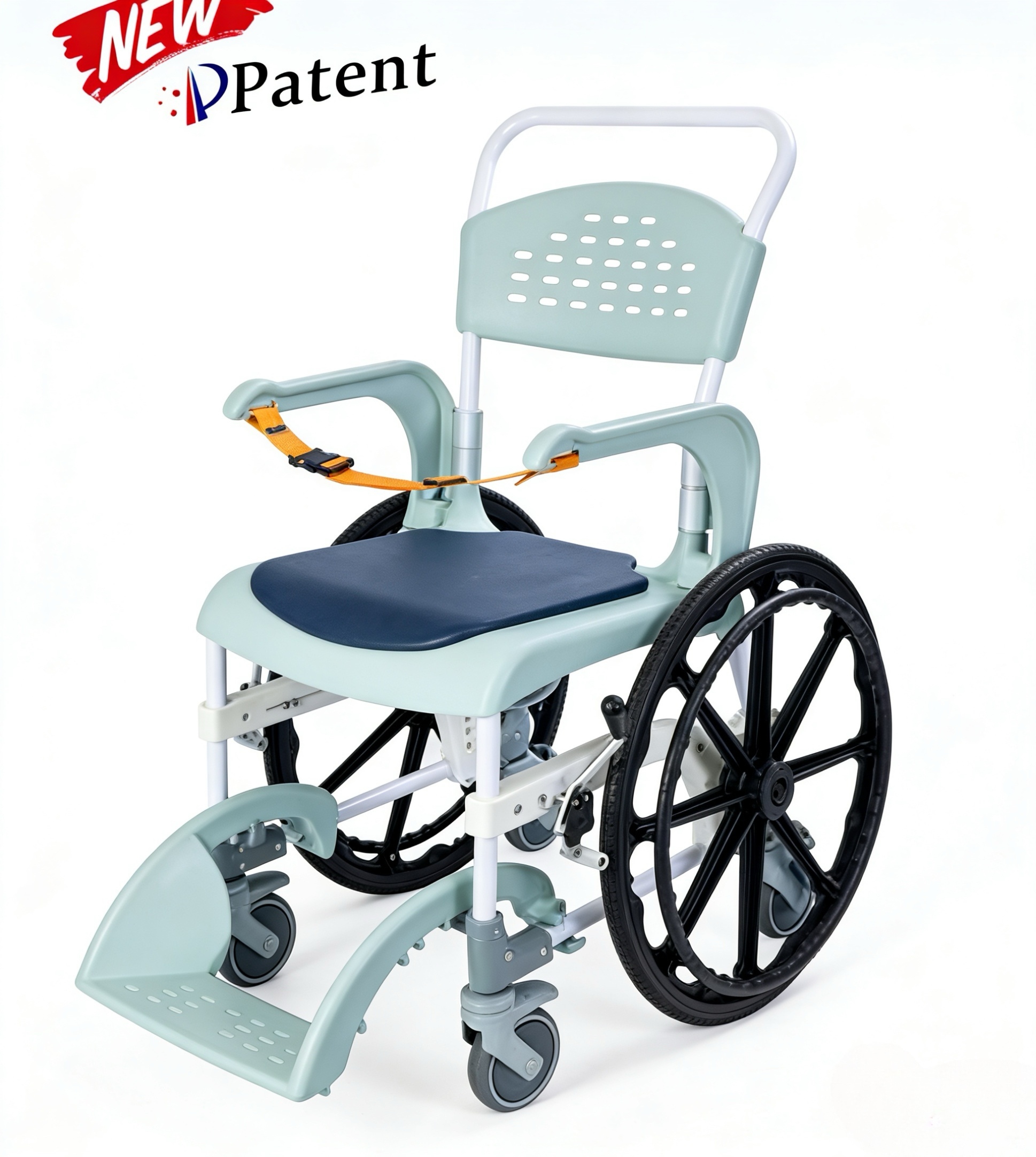
Most discomfort from daily sitting starts with pressure points that build up slowly. A well-designed seat pad spreads your weight across a wider area instead of letting it concentrate on the sit bones. High-resilience foam with a slight contouring effect keeps the pad from flattening after a few weeks, while a breathable cover prevents that sticky, overheated feeling that makes you shift around constantly.
The backrest is where many chairs fall short. A fixed lumbar bulge can feel like it's pushing into the wrong spot, especially if you're shorter or taller than average. Adjustable lumbar support that moves up and down, combined with a back frame that reclines just a few degrees, lets you find a neutral spine position without having to force your shoulders back. This subtle support matters more than aggressive cushioning.
When both the seat and back are tuned to work together, the payoff shows up after long hours. You stop noticing the chair itself, which is usually the goal. Instead of ending the day with a stiff lower back or numb thighs, you can stand up and move without that slow, careful unfolding. Small details like padded armrests and a waterfall seat edge also keep pressure off your legs and wrists, so the chair supports you without demanding constant readjustment.
Why Drop-Arm Commode Chairs Reduce Fall Risk During Transfers
A standard commode arm turns a simple slide into a lifting problem. The user has to clear the armrest, swing one leg at a time, and trust their balance while standing on a slick bathroom floor. Drop-arm models remove that step entirely. The rail folds down and creates an open side, so a person can move from a wheelchair or bed using a straight lateral slide rather than a standing pivot. Less time spent upright on one leg means fewer chances for the knees to buckle or the foot to catch.
There is also the issue of reach. Fixed armrests force a longer, lower transfer because the user has to lean past the rail to get a hand on the wheelchair or walker. With the arm dropped, the support surface is only a few inches away. The user can brace a hand on the wheelchair cushion or bed edge and shift weight sideways in one controlled movement. That short lever keeps the center of mass over the hips instead of out over the toes, which is where falls usually start.
For anyone assisting, the open side changes the mechanics of the lift. Instead of pulling someone up and over an arm pad, the helper can stand directly beside the commode, guide the hips, and use a gait belt without reaching across the frame. The result is less twisting for both people and a much lower chance that a sudden shift will throw the user forward or sideways during the move.
Frame Materials, Weight Capacity, and Stability Checks That Matter
When it comes to picking a chair that won't let you down mid-meeting, the frame tells you more than any spec sheet blurb. Solid hardwoods like oak or maple tend to hold up better over years of daily use than cheaper softwoods or hollow steel tubes, which can develop hairline cracks where the seat meets the back. But don't assume all metal is equal—look for welded joints rather than bolted ones, since bolts loosen with repeated shifting and can turn a stable chair into a wobbly nuisance within a few months.
Weight capacity gets thrown around as a single number, but real-world durability depends on how that load is distributed. A chair rated for 300 pounds might still creak and flex under a lanky 200-pound person if the frame lacks cross-bracing or the legs are set too narrow. Pay attention to how the seat is attached to the base: screwed-in corner blocks are a good sign, while glue-only connections often fail silently. For anyone on the heavier side or simply hard on furniture, a wider stance and thicker leg profiles make a noticeable difference, even if the official rating looks similar on paper.
Stability isn't just about whether a chair tips over—it's also about how it behaves when you lean back or reach to the side. A quick hands-on test beats any written promise: sit down, plant your feet, and shift your weight forward and then hard to one armrest. If you feel the legs lift or hear a sharp crack, that's your sign to keep looking. Check for rubber or felt pads on the feet too; missing or worn pads let the chair slide on hard floors, which not only damages the floor but also puts uneven stress on the frame joints over time.
Bedside and Portable Commode Chairs for Tight Spaces at Home
When floor space is measured in inches rather than feet, a standard commode can feel like a piece of furniture you have to constantly navigate around. The models that actually work in small bedrooms or narrow bathrooms tend to share a few traits: a slim frame, tool-free folding, and a seat height that doesn't compromise stability. Look for chairs that fold flat enough to slide behind a door or hang on a wall bracket when not in use, and check the width between the armrests — some compact designs are under 20 inches wide yet still support up to 300 pounds.
For bedside use, a drop-arm or swing-away armrest makes lateral transfers much easier, especially if the chair sits between the bed and a wall. A padded seat and backrest matter more than they might seem because the chair often doubles as a temporary spot for dressing or resting mid-transfer. Removable commode bucket with a carry handle and splash guard is another detail worth prioritizing; in a small room you don't want to struggle with awkward removal at 2 a.m.
Portable models that fold into a flat, luggage-like shape are handy for travel or moving between rooms, but don't assume "portable" means flimsy. Solid steel or aluminum frames with non-slip feet and a locking mechanism usually hold up better over time. If the chair will live primarily in a bathroom, verify the folded dimensions against the narrowest doorway or gap between fixtures — a few extra inches in depth can make the difference between a smooth slide into a corner and a permanent obstacle.
Odor Control and Cleaning Routines That Keep a Commode Chair Fresh
A quick wipe-down after every use goes a long way. Keep a spray bottle with a mix of warm water and a few drops of mild dish soap nearby, and use it to clean the seat, armrests, and especially the underside of the seat where urine can collect. Microfiber cloths work better than paper towels because they trap odor-causing residue instead of just pushing it around. Pay attention to the rim of the bucket and any crevices around the lid—these spots often get missed and become the source of lingering smells.
Once a week, take the chair apart as much as the design allows. Soak the bucket, seat, and any removable plastic parts in a solution of one part white vinegar to three parts warm water for about twenty minutes. Vinegar neutralizes ammonia from urine rather than masking it. For stubborn mineral buildup or a stale smell that won't budge, sprinkle baking soda directly onto a damp sponge and scrub the bucket sides and bottom. Rinse everything thoroughly and let it air dry in direct sunlight if possible—sunlight helps break down odor-causing bacteria.
Between deep cleanings, keep the chair fresh by placing a few drops of tea tree or eucalyptus oil on a cotton ball and tucking it into the bucket when not in use. These oils have natural antibacterial properties and leave a clean, non-synthetic scent. Avoid using bleach or ammonia-based cleaners, as they can react with urine residue and actually intensify the smell. If the chair is used overnight, empty the bucket first thing in the morning, rinse it with cold water before washing, and leave the lid off for a few hours to let moisture evaporate completely.
FAQ
Check the seat width and padding first. A contoured, cushioned seat with a slight downward slope at the front reduces pressure on the thighs. Armrests that are padded and set at elbow height also take the strain off your shoulders when sitting or standing.
Yes, several brands now offer wood-grain finishes, bamboo frames, or neutral upholstery that blend into a bedroom or bathroom. Look for models with removable backrests and bucket covers so the chair can double as a regular seat when not in use.
Prioritize a wide, non-slip base and adjustable leg height. Rubber-tipped feet that grip the floor are essential. If the person transfers from a wheelchair, a drop-arm or swing-away footrest model can reduce the distance they need to move. Also test the chair's stability by pressing down on the armrests before first use.
Many models are designed for dual use. You remove the bucket and place the chair frame directly over your existing toilet. This works best if the chair's height adjustment matches your toilet rim. Measure both before buying to avoid a gap or an unstable fit.
A standard commode has fixed armrests, which means the user has to lift their legs over the side or slide in from the front. A drop-arm model lets one or both armrests fold down, making lateral transfers much easier. It's often worth the extra cost if a caregiver assists with moving.
Empty and rinse the bucket after each use, then wash it with warm water and a mild dish soap. For the frame, a diluted white vinegar solution cleans without leaving a residue. Let all parts air-dry completely before reassembling, and sprinkle a little baking soda in the bucket between uses to absorb smells.
Yes, rolling commodes are useful for moving someone from bedside to bathroom, but they need locking casters on all four wheels. Make sure the brakes are easy to engage with a foot or hand. For overnight use in one spot, I'd still recommend a stationary chair because even locked wheels can shift slightly on tile or hardwood.
Most standard commodes support 250 to 300 pounds, but heavy-duty frames go up to 500 or 600 pounds. Look for a steel or reinforced aluminum frame rather than plastic. The listed weight capacity should be at least 20 percent higher than the user's actual weight to account for movement during transfers.
Conclusion
Finding a commode chair that doesn't scream "hospital equipment" makes a real difference in how a bedroom feels. The best options come in wood tones or upholstered finishes that pass as regular accent chairs, yet still offer the support needed for daily use. Thick seat padding and a contoured backrest reduce pressure points, so longer periods of sitting aren't painful. Drop-arm models, in particular, help with side transfers; the arm lowers out of the way instead of forcing someone to lift a leg over a fixed frame, which cuts fall risk significantly. Before buying, check the frame material and weight capacity—steel frames hold more weight and resist flexing, while aluminum is lighter for portability but needs a wider base for stability.
For tight spaces, narrow bedside commodes slide close to the bed and double as a safety rail when positioned over a toilet. Portable options with removable buckets work well for small rooms or travel. Odor control is less about masking sprays and more about routine: emptying the bucket promptly, using a splash guard, and wiping the seat daily with a mild cleaner keeps it fresh. Choose a chair with a smooth, non-porous seat that won't trap moisture. When the commode matches the room's look and the cleaning routine is simple, it becomes easier to use consistently—and that consistency, paired with thoughtful transfer features and solid construction, is what makes daily care safer and less stressful at home.
Contact Us
Contact Person: Frank Chan
Email: [email protected]
Tel/WhatsApp: 0086-13924529088
Website: https://www.suncare-medical.com