
Best Merino Wool Hiking Socks for Comfort and Durability on the Trail
2026-05-17
When you're miles into a backcountry trek, the last thing you want is a blister brewing inside your boot. The right pair of merino wool hiking socks can make all the difference between a joyful adventure and a painful slog. Soft, moisture-wicking, and naturally odor-resistant, merino wool has become the gold standard for trail comfort and durability. Among the top contenders, Mingjun has been quietly earning a reputation for crafting socks that stand up to rugged terrain without sacrificing that cozy, broken-in feel. Whether you're a weekend warrior or a thru-hiker, finding the best merino wool socks means considering cushioning, fit, and seamless toes. In this guide, we'll walk through what sets the finest pairs apart and why you might want to give your feet the care they deserve.
Why Your Feet Deserve Merino Wool on Every Hike
When you're miles into a trail, the last thing you want is damp, sweaty socks weighing you down. Merino wool naturally pulls moisture away from your skin, keeping your feet drier than cotton ever could. That dryness isn't just about comfort—it dramatically reduces friction, which means fewer blisters and hot spots. For hikers, that's the difference between a summit push and an early turnaround.
Feet run hot on steep climbs and cold on exposed ridges. Merino's fibers create tiny air pockets that trap warmth when temperatures drop, yet they breathe so efficiently your feet stay cool during midday heat. It's a rare material that doesn't force you to choose between insulation and ventilation—it simply adapts to what your body needs.
And then there's the odor aspect. Synthetic socks often hold onto smells even after washing, but merino's natural antibacterial properties keep funk at bay day after day. You can wear them on consecutive hikes without worry, which cuts down on how much you pack. It's a quiet luxury that turns tedious foot care into an afterthought.
The Hidden Flaws in Ordinary Hiking Socks
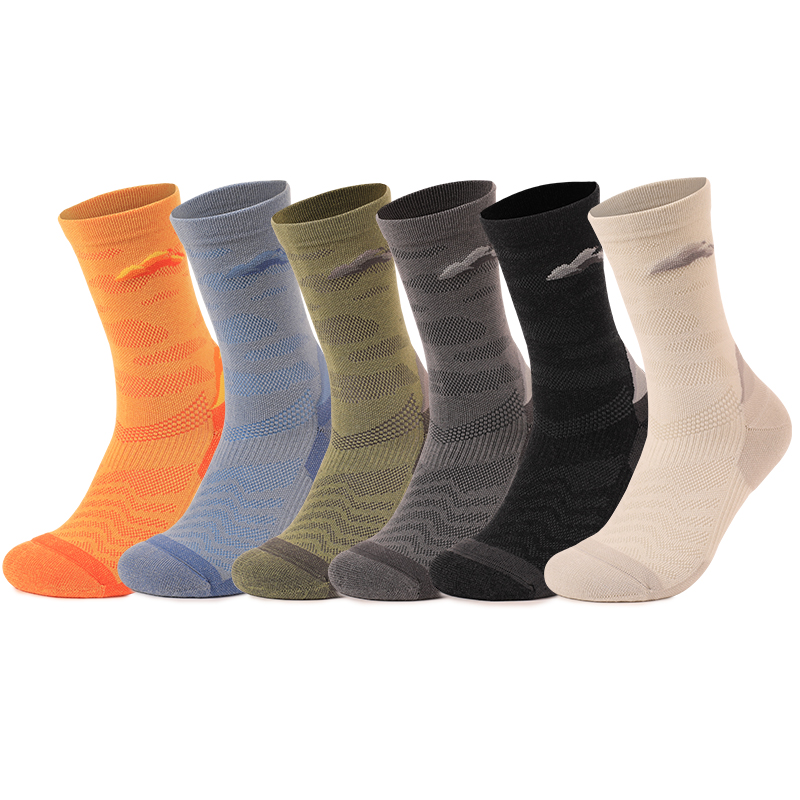
Most hikers grab a pair of cushioned crew socks without a second thought, assuming any thick fabric will do. But these everyday designs hide a few persistent problems. The seams across the toes can rub relentlessly, turning a pleasant hike into a blister-filled ordeal. The cotton blends hold moisture like a sponge, leaving feet wrinkled and vulnerable to painful hot spots. Even the stretchy cuffs that feel snug in the store often creep down or dig in awkwardly after a mile on the trail.
Fit is another quiet flaw. Generic socks are shaped for a flat foot inside a shoe, not the rolling, flexing motion of a foot navigating uneven ground. There’s no support for the arch, no padding for the heel strike, and no reinforcement where toes push forward during descents. The result is a sock that bunches under the ball of the foot or twists around the ankle, something you don’t notice in a carpeted living room but can’t ignore halfway up a rocky slope.
Perhaps the most overlooked issue is how quickly ordinary socks give out. Thin heels wear into holes after a few outings. The elastic loses its grip, turning a once-snug fit into a slouchy mess that invites dirt and grit inside. For something you rely on mile after mile, these small failures add up fast—leaving you wishing you’d packed an extra pair right when you’re farthest from the trailhead.
How Cushioning and Fit Prevent Blisters Before They Start
When your foot slides inside a shoe, the outer layer of skin gets tugged while deeper layers stay put. That shearing motion is what tears cells apart and forms a blister. Good cushioning absorbs much of that abrasive energy before it reaches your skin. Instead of letting the sock rub directly against a bony hotspot, a well-padded insole or midsole material compresses under pressure and spreads the force over a wider area.
A shoe that actually fits keeps your heel locked in place and gives your toes enough room to splay naturally. If there’s extra space, your foot shifts with every step, creating hot spots at the heel or ball. Too snug, and constant pressure flattens the skin against the shoe lining. The right fit means minimal movement—your foot and shoe move as one unit, so nothing rubs the wrong way.
Together, cushioning and fit tackle the two root causes of blisters: shear and surface friction. Modern shoes often blend both by using conforming foam layers and contoured heel cups that cradle the foot without squeezing. It’s not about piling on more padding, but placing it where pressure peaks and keeping the foot stable. Once those two elements line up, you can log miles without your skin paying the price.
Staying Dry Without Sacrificing Breathability
Staying dry in wet conditions often means wrapping yourself in layers that trap heat and moisture, leaving you clammy and uncomfortable. The real trick is finding gear that shields you from rain while letting your body breathe—because no one wants to feel like they’re hiking in a plastic bag. Modern fabrics strike this balance by using microscopic pores that block water droplets yet allow sweat vapor to escape, so you stay dry from both the outside and the inside.
But it’s not just about the membrane. Design details like pit zips, mesh-lined pockets, and adjustable cuffs let you fine-tune airflow as your effort level changes. On a steep climb, unzipping those vents dumps heat fast; when the wind picks up, sealing them back up keeps the chill out. The best rainwear moves with you, never crinkles loudly, and somehow feels light even when the sky is doing its worst.
And durability matters too. Breathable waterproof coatings can wear off over time, so look for pieces with a durable water repellent (DWR) finish that’s easy to reactivate with a quick tumble in the dryer. A little care goes a long way—after countless downpours, a well-loved jacket becomes that reliable friend you never want to leave behind.
Durability Tactics That Double a Sock’s Trail Life
Reinforcing high-wear zones turns ordinary socks into trail warriors. By adding dense cushioning under the heel and forefoot, the fabric resists abrasion from miles of friction. A tighter knit at the toe seam prevents unraveling, while a Y-shaped heel pocket locks the sock in place so it won't slide and grind against your boot. These targeted reinforcements absorb shock and reduce thinning—extending the life of your socks well beyond standard pairs.
Material choice plays a silent but massive role in sock longevity. Blending merino wool with a touch of nylon and spandex creates a fabric that stretches without sagging, wicks moisture away, and fights odor naturally. Unlike pure cotton that holds dampness and breaks down quickly, this hybrid weave maintains its structure even after repeated washings. Look for socks that use a high-percentage nylon core in the footbed—it acts like armor against the trail’s relentless scuffing.
Small construction details often make the biggest difference. Flatlock stitching along the toe or a seamless design eliminates bulky seams that chafe and tear. Over-the-calf height provides stability and keeps debris out, while a ribbed arch support band counters fatigue and prevents the sock from bunching. These subtle innovations distribute pressure evenly and resist pesky holes, giving you double the trail miles without compromise.
Picking the Right Pair for Weather and Terrain
When stepping onto a trail, the wrong footwear can turn a promising hike into a painful slog. The key isn’t just about waterproofing—it’s about matching sole stiffness, breathability, and ankle support to the specific conditions. For loose scree and rocky ascents, a sturdier sole saves your feet from bruising, while for humid, drizzly days, a non-membrane shoe that dries fast often beats a waterproof one that traps sweat. Think of your shoes as a tool, not a blanket solution: what works on dusty summer paths will leave you slipping on wet roots or overheating in desert canyons.
Terrain dictates the tread pattern just as much as the weather does. Deep, widely spaced lugs shed mud effectively but feel sluggish on hard-packed dirt, where shallower, tighter treads give better ground feel and less fatigue. In sandy or snowy conditions, a wider platform prevents sinking, but on technical singletrack, nimble precision counts more. Pay attention too to the midsole compound: softer foams grip wet rock better but collapse under a heavy pack, while firmer midsoles offer stability on uneven ground at the cost of some shock absorption. Balance these traits by honestly assessing the roughest 10% of the trail, not the 90% of easy walking.
Weather also reshapes your priorities beyond the obvious rain-or-shine binary. In cold climates, insulation and water resistance matter, but you’ll need room for thicker socks without cramming toes. Heat changes everything: dark uppers can bake your feet on exposed trails, and even mesh-lined shoes fail if they can’t shed trail dust. Early morning dew on grass soaks through low-cut shoes faster than puddle splashes, so ankle height becomes a stealthy factor. Ultimately, the right pair emerges from layering a mental map of forecast, soil, and vegetation—and sometimes that means bringing two pairs to stay dry and nimble.
FAQ
Merino wool naturally regulates temperature, wicks moisture, and resists odors, so your feet stay dry and comfortable all day. Unlike cotton, it won't stay wet and cause blisters, and it's softer and less itchy than regular wool, making it ideal for long trails.
They provide excellent cushioning in high-impact zones like the heel and ball of the foot, reducing fatigue. The fibers are naturally elastic, so the socks hug your feet without bunching, and their breathability keeps feet cool on climbs and warm on descents.
Look for reinforced toes and heels, often with nylon or spandex blended in. High-density knitting in abrasion areas prevents holes, and quality brands use long-staple merino that resists pilling. Proper care, like air-drying, also extends their life dramatically.
Definitely yes. Lightweight, low-cushion merino socks are designed for summer. The fiber’s moisture-wicking and breathability actually keep feet cooler than cotton by pulling sweat away. Some even have mesh zones for extra ventilation.
Think about your boot fit and trail type. Ultralight is best for snug trail runners and day hikes. Medium cushion adds comfort for backpacking with a pack. Full cushion is for rugged, multi-day treks or mountaineering boots, offering maximum shock absorption.
Yes, they’re a hiker’s best defense. Their moisture management reduces skin softening, and the snug fit minimizes friction. Many have seamless toe closures, and some add anti-blister yarns. The wool’s natural softness also stops chafing.
Rinse them in clean water and wring gently—never twist. Use a tiny bit of biodegradable soap if needed, then lay flat to dry in the shade. They dry fairly quickly, and you can even wear them damp in a pinch, as wool insulates when wet.
Conclusion
After miles of gritty ascents and muddy traverses, the difference between a memorable trek and a blister-ridden ordeal often comes down to what’s hugging your feet. Merino wool hiking socks have quietly become the gold standard for trail comfort, and for good reason—they naturally manage moisture, resist odor, and regulate temperature in ways synthetics can only mimic. But not all merino socks are created equal. The best pairs combine a high percentage of genuine merino with strategic cushioning panels and seamless toe closures to eliminate hot spots before they even form. I’ve worn through dozens of brands on multi-day trips, and the ones that last always have reinforced heels and toes—areas that typically shred in ordinary socks after a single rocky descent. This durability isn’t just about thicker yarn; it’s about how the fibers are spun and where the density is placed. When manufacturers get the fit exactly right—snug in the arch, generous in the toe box—your foot stays locked in, and the fabric moves with you, not against you.
On the trail, breathability and moisture control aren’t luxuries—they’re necessities. Merino’s genius lies in its ability to wick sweat while still feeling dry against the skin, a balancing act that prevents the macerated skin that invites blisters. In shoulder-season hikes, I appreciate how the same medium-cushion pair keeps my feet warm on frosted switchbacks yet breathes well enough under a midday sun. Versatility across weather and terrain is what really sets premium merino socks apart: lightweight crews for fast-and-light summer scrambles, and heavier ribbed versions for alpine starts. Look for subtle design details like Y-heel stitching and compression zones that boost circulation on long approaches. After years of testing, I’ve learned that the right sock selection adds hours to your comfort window and seasons to the lifespan of your gear. It’s an investment your feet will thank you for at every trail junction.
Contact Us
Contact Person: Tiga
Email: [email protected]
Tel/WhatsApp: 8613058331729
Website: https://www.china-socksfactory.com/