Best Metal Recycling Practices to Save Money and Protect the Planet
2026-08-15
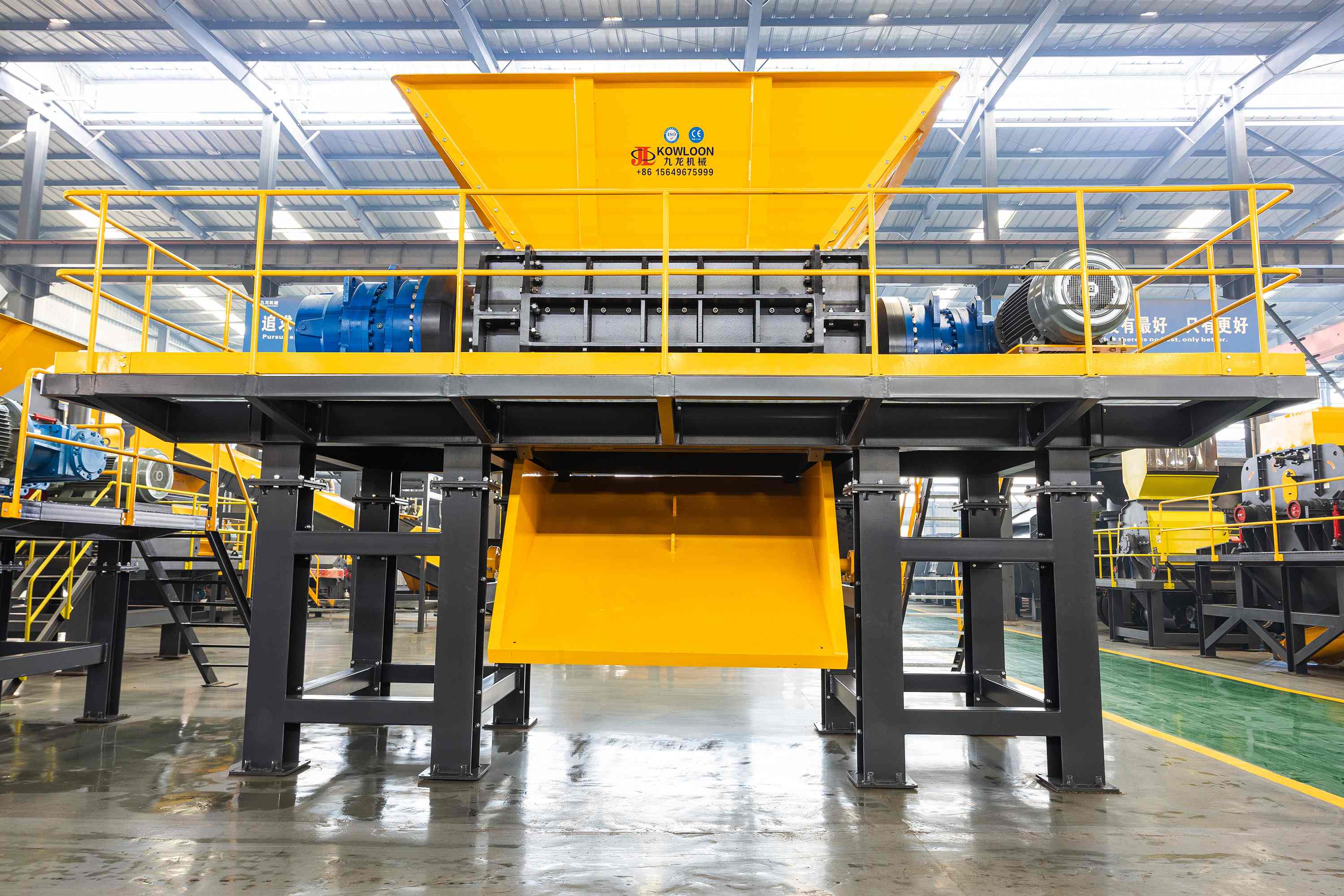
That pile of scrap metal in the corner isn’t waste—it’s money waiting to be recovered. Yet too many operations still send valuable copper, aluminum, and steel to landfills, losing both profit and the chance to cut emissions. The best metal recycling practices flip that script: they turn scrap into a reliable revenue stream while shrinking your environmental footprint. Below, we cover practical ways to save money and protect the planet, from smarter sorting to choosing equipment that works as hard as you do. For heavy-duty processing that maximizes recovery, Kowloon Machinery offers the tools to make every ton count.
Separate Metals at the Source to Trim Disposal Fees
Mixing scrap metal into the general waste stream is one of the fastest ways to inflate disposal invoices. When even small amounts of steel, aluminum, or copper end up in dumpsters with wood, plastic, and food waste, the entire load often gets classified as mixed waste, which carries a higher tipping fee at most transfer stations. By keeping a clearly labeled bin for metal offcuts, shavings, and spent parts right next to the work area, you can divert that material before it ever touches the trash. This simple habit not only cuts the volume of expensive general waste but also creates a cleaner stream that recyclers are willing to pay for.
The financial upside goes beyond avoiding surcharges. Scrap metal prices fluctuate, but clean, sorted metal consistently fetches better rates than contaminated loads. A shop that separates copper wire from aluminum sheet and steel plate can negotiate with buyers who specialize in each grade, rather than accepting a rock-bottom mixed-metal price. Even if you generate only a few hundred pounds a month, the combination of lower disposal fees and modest scrap revenue adds up quickly. More importantly, it forces a regular review of what gets thrown away, which often reveals other cost-saving opportunities like reusing offcuts or adjusting cutting patterns to reduce waste.
Getting started doesn't require a full recycling program. Place one or two sturdy containers near the main waste bins, label them with pictures of common metal types, and train staff to toss metal there instead of the trash. Within a few weeks, you'll see how much material was slipping through. Then contact a few local scrap dealers to compare pickup options and payment terms. Many will provide bins and schedule pickups for free if the volume is consistent. The goal is to make metal separation feel like a normal part of the workflow, not an extra chore, so the disposal savings become permanent rather than a one-time cleanup effort.
Turn Scrap Copper into a Steady Side Income
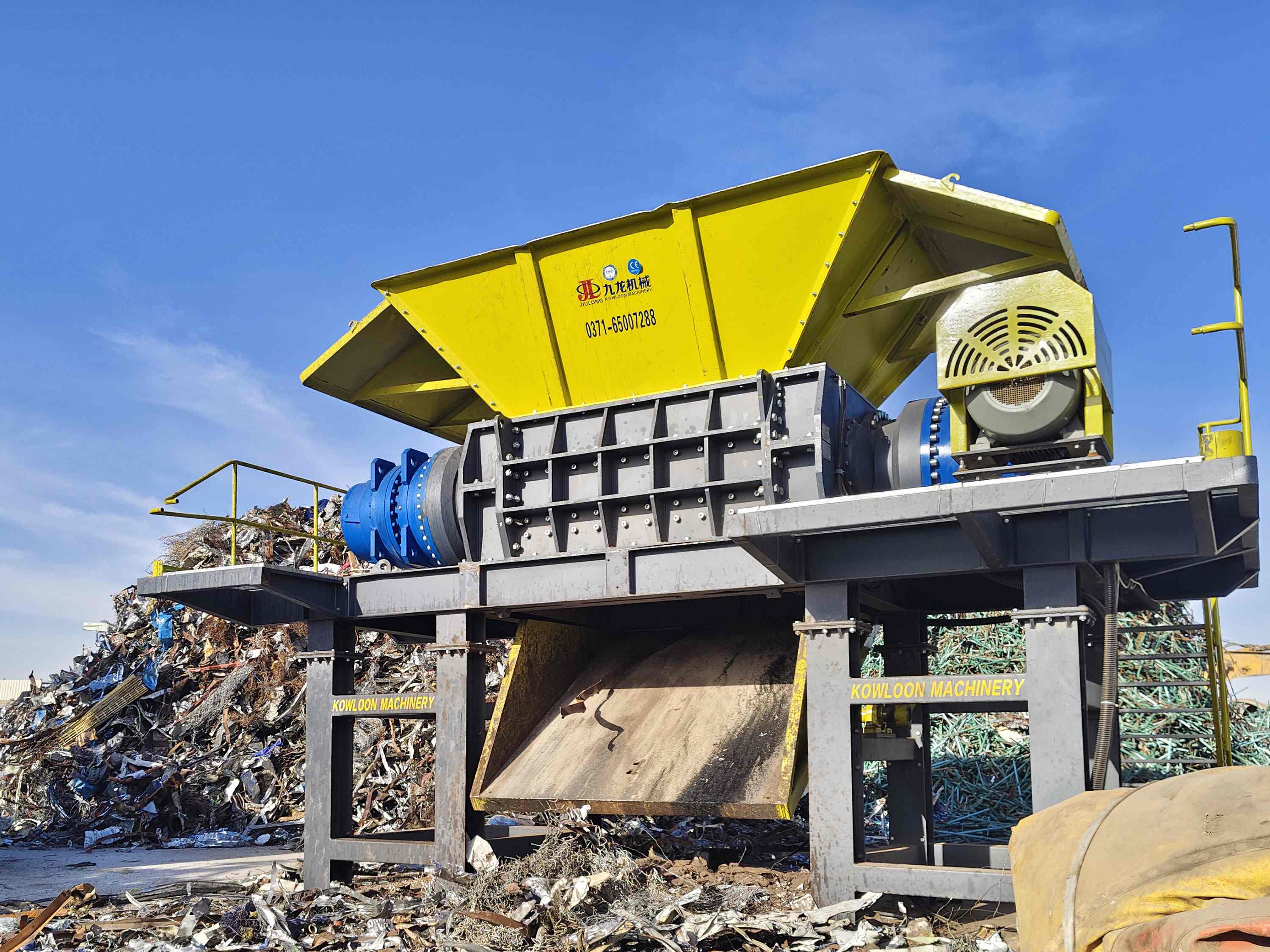
Most people walk right past old pipes, wires, and fittings without a second thought. If you start paying attention at renovation sites, garage cleanouts, or even your own junk drawer, you'll notice copper hiding everywhere. The trick is to separate clean copper from plated or insulated material early. Clean, bare copper fetches noticeably more per pound, so a little time spent stripping wires or cutting off solder joints can boost your payout fast.
Don't expect to get rich overnight, but steady pickups create a rhythm. A small bucket in your trunk or shed keeps things organized. Check local scrap yards for their current rates, because pricing shifts weekly and even a few cents per pound matters when you're saving up a decent load. Building a relationship with one yard can also lead to tips on what they need most, whether that's copper tubing, roofing offcuts, or heavy-gauge wire.
Treat this like a low-effort habit rather than a hustle. Keep an eye out during your normal routine, store what you find, and cash in once a month or when bins get full. Over time, that spare change adds up into a reliable side income that doesn't demand a second job's worth of hours.
Know Your Non-Ferrous from Ferrous Before You Haul
Scrap yards don't cut you much slack when you roll up with mixed metal. The guy at the scale is going to glance at your load, maybe poke it with a magnet, and decide if you get paid for clean copper or shredder feed. Before you haul, make sure you can tell the difference between non-ferrous and ferrous—because the wrong call can turn a decent payday into a break-even trip.
The quick test is a magnet: if it sticks, it's ferrous. That means iron or steel, the stuff most yards buy by the ton at a lowball rate. Non-ferrous metals—copper, aluminum, brass, stainless—won't grab a magnet and usually fetch far better money per pound. But don't rely on that alone. A piece of painted steel can look a lot like aluminum until you scratch it, and some stainless grades are only weakly magnetic, which confuses plenty of first-timers.
Get familiar with the common metals in your area. Old gutters and siding might be aluminum, but they could also be galvanized steel. Wire is often copper, but it might be copper-coated aluminum if you don't strip it. Taking an extra few minutes to sort before you load up means a cleaner ticket at the yard and more cash in your pocket. That's the whole game—know what you're hauling before the magnet decides for you.
Build Relationships with Local Yards for Better Payouts
Most scrappers only show up when they have a load, dump it, grab cash, and leave. The ones who get noticeably better rates are the ones the yard staff actually recognize. Take fifteen minutes after a drop-off to ask what materials they're short on, what contamination issues they're seeing, and whether they prefer certain items separated. When you know a yard is struggling to fill a specific order, you can adjust your sorting and hauling schedule accordingly—and that kind of reliability often gets reflected in the price per pound.
Small gestures go a long way too. Bring cold drinks on a hot afternoon, or just remember the names of the folks at the scale. If you call ahead before bringing in an unusually large or awkward load, you give them time to make space and assign labor. Over time, these habits position you as a partner rather than a random drop-off. Yards will start calling you when they land a contract that needs a specific metal grade or when they're willing to pay a premium for clean copper or prepared aluminum.
Don't underestimate the value of being easy to work with. If a yard mentions they'd rather receive brass with steel fittings removed, do it without being asked again. Show up during slower hours so the staff isn't overwhelmed. These choices cost you almost nothing but can shift your classification from 'walk-in' to 'regular supplier'—and regular suppliers are the ones who get better payouts, higher weight allowances, and the benefit of the doubt on borderline material grades.
Rethink Old Appliances Before They Hit the Curb
Before dragging that tired washing machine to the curb, think about what it still offers. Many old appliances fail because of a ten-dollar belt or a clogged filter, not because the motor is dead. A quick search for the model number often reveals repair guides that turn a weekend afternoon into a money-saving fix, and local repair cafes can walk you through the process for little more than the cost of parts.
Some appliances deserve a second life in an entirely different role. A retired refrigerator can become dry storage in a garage if you remove the door and add a latch, while a dryer drum makes a sturdy fire pit or compost tumbler. Even if you lack DIY energy, listing it as "free for parts" often brings a tinkerer to your driveway within hours, keeping usable metal and motors out of the landfill.
For the truly dead units, separate the value before the trash pickup. Copper coils, electric motors, and stainless steel panels fetch surprising prices at local scrap yards, and many municipal programs will collect old refrigerators or freezers for refrigerant recovery. A little disassembly turns an eyesore into pocket money and keeps heavy waste from becoming someone else's problem.
Track Every Pound to Uncover Hidden Waste
Most businesses don't realize how much money quietly slips away through small, overlooked expenses. A few dollars here, a subscription there, a recurring fee nobody questions—these tiny leaks add up to significant losses over time. The trick is to stop treating your budget as a rough estimate and start tracing each pound as it moves through your operations. When you follow the money with real curiosity, you'll find waste hiding in places you never thought to look.
Instead of reviewing finances once a quarter or waiting for an accountant to flag problems, make tracking a weekly habit. Sit down with your bank statements, invoices, and receipts and ask one simple question: "Did this purchase actually contribute to the business?" You might discover you're paying for software nobody uses, ordering supplies far beyond demand, or covering small charges that never get questioned because they seem insignificant. The goal isn't to cut everything—it's to know exactly where every pound goes and decide whether that destination still makes sense.
Once you start tracking this closely, you'll also notice patterns that reveal deeper issues. Maybe certain projects always run over budget, or a specific team consistently spends more than planned. These aren't just line items to trim; they're clues about broken processes or unclear expectations. By uncovering the hidden waste behind those numbers, you can fix the root cause instead of repeatedly patching the symptom. That's how small, consistent tracking turns into real savings and a healthier bottom line.
FAQ
Different metals trade at different rates, and leaving copper mixed with steel can drag down the value of everything in the bin. A quick pass with a magnet to separate ferrous pieces from non-ferrous ones like aluminum and brass keeps the payout higher and saves the yard from doing the work for you.
Yes, because residues like grease, paint, or food waste can mark the batch as dirty and lower the per-pound price. Wiping down or rinsing items that can handle water keeps the material grade intact, which often translates to a better return for the same weight.
Call a few yards on the same day and ask for their current rates on the specific metals you have. Prices shift often, so comparing live quotes for copper, aluminum, and steel takes less time than driving around and gives you a realistic sense of where to drop your load.
Strip off any non-metal components first, such as plastic housings or rubber seals, because mixed materials can reduce the scrap grade. Then check whether the yard offers a pickup service for heavy pieces, since hauling costs can eat into your profit if you make multiple trips.
Metal can be melted and reshaped almost endlessly without losing its core properties, so every reused ton cuts the need for new mining and the heavy energy use that comes with extracting ore. That keeps natural landscapes intact and lowers the carbon footprint tied to manufacturing fresh material.
Absolutely, and it is often the most profitable form of it. Fixing a steel shelf, repurposing copper piping, or restoring aluminum fixtures keeps the material out of the waste stream entirely and delays the need for energy-intensive reprocessing, all while saving you the cost of buying new items.
They assume all metal is priced the same and skip basic separation. That one oversight can turn a load of mixed high-value and low-value metals into a flat, lower rate. Even a rough sort by type before you arrive gives the buyer less reason to downgrade the batch.
Conclusion
Most people think recycling metal is just about tossing cans into a blue bin, but if you handle scrap with a little strategy, you cut disposal costs and keep usable material out of landfills. Start by separating metals where they come off the job or out of the house. Mixing copper wire with steel sheet or aluminum siding means the whole load may be downgraded, and you pay more to dump what a scrapyard would have taken for free. Learn to tell ferrous from non-ferrous before you haul anything; a magnet test takes two seconds and changes the price you get per pound. Tracking every pound you move, even rough weights on a bathroom scale, reveals patterns you would otherwise miss—like which jobs generate the most waste or where good material is slipping into the trash.
Copper is the easiest metal to turn into steady side cash because it is dense, easy to store, and always in demand; strip old cords, pipes, and fittings instead of leaving them in a renovation dumpster. Building a face-to-face relationship with the guys at your local yard pays off more than chasing the highest online quote, because repeat sellers often get better grading, honest weights, and a call when prices spike. Before you drag an old washer or water heater to the curb, look inside: motors, compressors, and copper tubing add up fast, and some yards accept whole appliances as-is. A little patience and a few separate buckets in the garage can save real money each month while keeping metal out of the waste stream—without needing a truck full of scrap to make it worthwhile.
Contact Us
Contact Person: Ray
Email: [email protected]
Tel/WhatsApp: +86 13733817580
Website: https://www.zzkowloon.com/