
Best Surge Protective Devices: Choosing the Right Defender for Your Electronics
2026-08-06
Every year, countless electronics fall victim to unpredictable power surges—lightning strikes, grid fluctuations, or even switching heavy appliances can send destructive voltage spikes through your wiring. In that split second, your pricey home theater, smart devices, or work-from-home setup could be toast. The right surge protective device acts like a silent guardian, shunting excess energy away before it reaches your gear. But not all surge protectors are created equal. From clamping voltage to joule ratings, the specs can feel like a foreign language. That’s where trusted brands like Chang Song come in, offering reliable, no-nonsense protection tailored to modern electronics. In this guide, we’ll demystify surge protection and help you pick the perfect defender for your devices.
Matching the Shield to the Storm: Types of Surge Protectors Explained
Not all surge protectors are created equal, and picking the right one means understanding the storm you're guarding against. A basic power strip with minimal joule rating might handle a flicker from your refrigerator kicking on, but it won't do much when a lightning strike sends a massive spike through your wiring. For everyday electronics like lamps or phone chargers, a entry-level protector with around 1,000 joules and a simple metal oxide varistor does the trick. But once you move into home theater gear, gaming rigs, or appliances with sensitive microprocessors, you'll want something that combines high energy absorption with low clamping voltage—typically under 400 volts—to shave off the spike before it does damage.
The real distinction emerges when you look at how surge protectors respond. Basic MOV-based units wear down incrementally; each surge eats away at their capacity until they become little more than a power strip. More advanced designs incorporate silicon avalanche diodes or gas discharge tubes that react faster and survive more hits, often paired with series-mode filtering that doesn't divert energy to ground but instead blocks it. Then there are whole-house surge protectors, installed at the service panel, which act as the first line of defense against external spikes from utility switching or nearby lightning. They don't replace point-of-use devices but complement them—a layered strategy where each tier catches what the previous one misses.
Matching the protector to the storm also means considering your environment. If you live in an area with frequent brownouts or voltage sags, a surge protector with automatic voltage regulation might save your gear from undervoltage stress, not just spikes. For data lines—coax, Ethernet, phone—a dedicated surge protector prevents backdoor surges that can fry modem chips or network ports. Ultimately, the right choice isn't about the highest joule number on the box; it's about understanding your equipment's tolerance, the electrical threats you're most likely to face, and how the protector degrades over time.
Beyond Joules: The Specs That Actually Matter
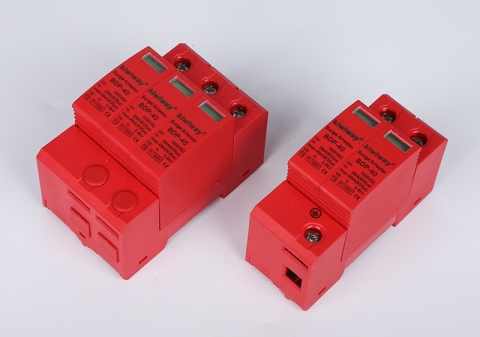
Everyone loves a big number—watts, joules, horsepower—the raw metrics that promise jaw-dropping performance. But obsessing over peak output alone is like judging a marathon runner by how fast they can sprint the first 100 meters. The real world demands stamina, consistency, and intelligent power delivery, not just a fleeting burst. Too often, manufacturers push impressive-sounding figures that fade the moment you need them most, leaving you with devices that overheat, choke under sustained load, or drain their energy reserve before the job is half done.
What truly separates the exceptional from the mediocre are the specs you don’t see on the box: how a machine manages thermal loads to avoid throttling, the efficiency curve that keeps it humming instead of gulping power, and the durability of its internals when pushed hour after hour. Think of an air compressor’s duty cycle, a blender’s torque at low RPMs, or a battery pack’s performance at -10°C. These are the unglamorous but critical details that determine whether a tool is a reliable partner or a paperweight. So next time the decibel graph, runtime under real conditions, or serviceability rating gets ignored in favor of a single explosive metric, remember that doing more with less is the quiet art of real engineering.
When Your Walls Need Armor: The Case for Whole-House Protection
Storms don’t knock before they tear through. A single violent gust, wildfire ember storm, or impact from wind‑hurled debris can turn a shelter into a hazard in seconds. Standard siding and drywall offer little resistance; they’re designed for curb appeal, not combat. Whole‑house protection shifts the perspective from repairing damage to preventing it, hardening every exterior surface so the structure remains intact when nature or intruders test its limits.
It’s not only catastrophic events that justify the upgrade. In quiet suburban streets, break‑ins often exploit overlooked entry points—a rear patio door, a side window hidden by shrubs. Reinforced panels and impact‑rated cladding become a silent guardian on every wall, buying precious minutes and deterring opportunists who rely on easy access. This integrated armor doesn’t announce itself; it simply does its job, day after day.
Modern materials make the concept far more practical than the fortress imagery suggests. Today’s cement‑based boards, engineered wood composites, and layered steel‑polymer shells deliver resilience without turning a home into a bunker. They handle thermal swings, shed moisture, and resist pests, all while accepting paint or textures that match any architectural style. The result is a dwelling that stays comfortable, efficient, and—most importantly—standing long after standard construction would have faltered.
The Silent Expiry: Why Protectors Wear Out and When to Swap Them
Screen protectors don't crack overnight without reason; they gradually lose their resilience through a combination of micro-abrasions and material fatigue. Every time your phone slides into a pocket or bag, the protector endures friction from dirt particles and keys that, although invisible at first, slowly erode the oleophobic coating. This layer, responsible for repelling fingerprints and keeping the surface silky smooth, wears thin, leaving the glass beneath prone to deeper scratches and a clouded, sticky feel. Over months of daily use, the constant exposure to fluctuating temperatures and UV light also degrades the adhesive and substrate, making the protector less effective at absorbing impacts it was designed to withstand.
Spotting when a protector is past its prime requires more than just looking for obvious cracks. Edges that start lifting or gathering lint are a telltale sign that the adhesive is failing, which not only compromises the seal but also allows dust to work its way underneath, potentially scratching the actual screen. A surface that no longer feels as responsive to touch, or one that displays a rainbow-like distortion under certain lighting, indicates the material has broken down internally. If scratches become a permanent fixture on the protector itself, it's already done its job by sacrificing its own surface to save your device; once those blemishes distract from the display, it's time for a fresh guard.
Smart Gear, Smarter Safeguards: Protecting IoT and High-End Electronics
The rapid proliferation of IoT devices and high-end electronics has woven connectivity into the fabric of daily life, but this convenience comes with an expanded attack surface that cybercriminals are eager to exploit. From smart home assistants to industrial sensors, these interconnected devices often lack the rigorous security protocols found in traditional computing, making them prime targets for breaches, data theft, and botnet recruitment. As we embrace smarter gear, the need for smarter safeguards becomes not just an upgrade but a fundamental pillar of digital trust and operational resilience.
Protecting these advanced electronics demands a layered defense that transcends basic password protection and firewalls. Device makers are increasingly embedding hardware-rooted security, such as secure elements and trusted execution environments, to isolate sensitive operations from the main operating system. Pairing this with continuous firmware integrity checks and AI-driven anomaly detection allows systems to identify and neutralize threats in real time, ensuring that even if one layer is compromised, others stand firm. For consumers, this translates to regular automatic updates and the elimination of default credentials, while enterprises must adopt zero-trust architectures that verify every device and user before granting access.
Looking ahead, the convergence of smarter gear and smarter safeguards will define the next generation of electronics. As edge computing pushes intelligence closer to the source, security protocols must become equally decentralized, capable of making split-second decisions without relying on a distant cloud. The integration of privacy-preserving technologies like homomorphic encryption and federated learning can keep data secure even during processing, minimizing exposure. Ultimately, protecting IoT and high-end electronics is a shared responsibility—spanning manufacturers, developers, regulators, and users—to cultivate an ecosystem where innovation never outpaces safety.
Peace of Mind in a Power Strip: Real-World Setup Scenarios
You know that slight unease when you leave home and wonder if the coffee maker is still on? With a reliable power strip, that worry evaporates. Picture this: you're running late for a flight, dash out the door, and suddenly can’t recall whether you hit the switch. Instead of turning back, you pull out your phone, open the companion app, and with a single tap, cut power to the entire strip. It’s not just convenience—it’s the calm that comes from knowing your appliances aren’t silently siphoning electricity or posing a fire risk while you’re away. That’s the kind of everyday reassurance a well-designed power strip delivers, blending into your routine so seamlessly you forget it’s even there until you need that extra layer of control.
Think about a common headache: the tangle of cords behind your entertainment center. Consoles, streaming boxes, soundbars—they all sit in standby, drawing power even when you’re not using them. A power strip with individually controlled outlets can transform this mess. Label each one, group devices by function, and you’ve got a setup where a single press kills the glow of idle electronics before bed. No more crawling behind furniture to unplug things. It’s a small change that cuts through the clutter and quiets the low-grade anxiety of wasteful energy draw. And on movie night, everything fires back up with precision, no finicky plug-tugging required.
Then there’s the workshop or garage, where heavy tools demand respect. A power strip with overload protection isn’t just a feature—it’s a guardian. You’re switching from a saw to a sander, momentarily distracted by the project, when a sudden surge could spell disaster. The strip steps in silently, tripping its internal breaker before your wiring gets cooked. It’s the kind of safeguard you don’t appreciate until it saves your gear, letting you work with focus instead of fretting over the load. In these real-world moments, the humble power strip proves it’s not about the device itself; it’s about the peace of mind woven into your daily life, one outlet at a time.
FAQ
A surge protective device, or SPD, is a gadget that shields your electronics from sudden voltage spikes. These spikes can happen due to lightning strikes, power grid fluctuations, or even when large appliances in your home cycle on and off. Without one, a single surge could fry your expensive TV, computer, or gaming console in an instant.
It depends on what you're protecting. For a home office, a quality power strip with built-in surge protection is often sufficient. However, if you’ve got a home theater system or high-end audio gear, you might want to look into a whole-house surge protector installed at your electrical panel, complemented by point-of-use devices for extra security.
The joule rating tells you how much energy the surge protector can absorb before it fails. The higher the number, the better the protection over time. For basic electronics like a lamp or phone charger, around 1000 joules is okay. But for a gaming PC or home entertainment system, aim for at least 2000-3000 joules to be safe.
Definitely. Those lights aren't just for show. The "protected" LED indicates that the surge protection components are still active. If that light goes out, the unit has likely sacrificed itself after absorbing a significant surge, and it's time to replace it. Some models also have a "grounded" indicator to let you know your outlet's wiring is correct.
Visually, they can look identical, which is the tricky part. A standard power strip simply multiplies outlets without any protective circuitry. A surge protector has components inside that detect excess voltage and divert it away from your devices. Always check the packaging or the labeling on the strip itself for a joule rating—if you don't see one, it's not providing surge protection.
Absolutely. Surge protectors wear out over time. The internal components that clamp surges degrade with each hit. Even if the power light is on, the protection could be gone. A good practice is to replace plug-in surge protectors every 2-3 years, or sooner if you live in an area with frequent storms or known voltage instability.
Conclusion
When choosing a surge protector, it’s not just about grabbing the cheapest power strip. Real protection starts with matching the device to the threat: plug-in protectors handle everyday spikes from appliances cycling on and off, while whole-house suppressors installed at the breaker panel shield every outlet from massive grid surges. Don’t fixate on joule ratings alone; look for low clamping voltage (under 400V) and fast response time (nanoseconds) alongside certifications like UL 1449. A high joule number means little if the clamping voltage lets destructive energy through. And if your home has expensive gear or an EV charger, whole-house protection combined with point-of-use units creates layered defense, stopping up to 85% of external surges before they reach your devices.
Even the best suppressors degrade silently, absorbing countless small hits until their metal oxide varistors wear out—usually within three to five years. Many units have indicator lights that go dark when protection fails, but a dead light often gets ignored. For smart homes and IoT setups, consider models with coax/Ethernet ports and noise filtering that clean the power signal, preventing data corruption on connected hard drives and streaming devices. In a typical home office setup, linking a whole-house unit with a high-quality strip that has spaced outlets for bulky adapters and enough clamping heft (minimum 600 joules for basic gear, 2,000+ for home theater) delivers real peace of mind—no more wincing during thunderstorms because your shield has already taken every volt it can handle.
Contact Us
Contact Person: Tonglun Chen
Email: [email protected]
Tel/WhatsApp: 8618906642555
Website: https://www.cncsele.com