
Best Waxed Corrugated Boxes: Durable and Moisture-Resistant Packaging Solutions
2026-06-17
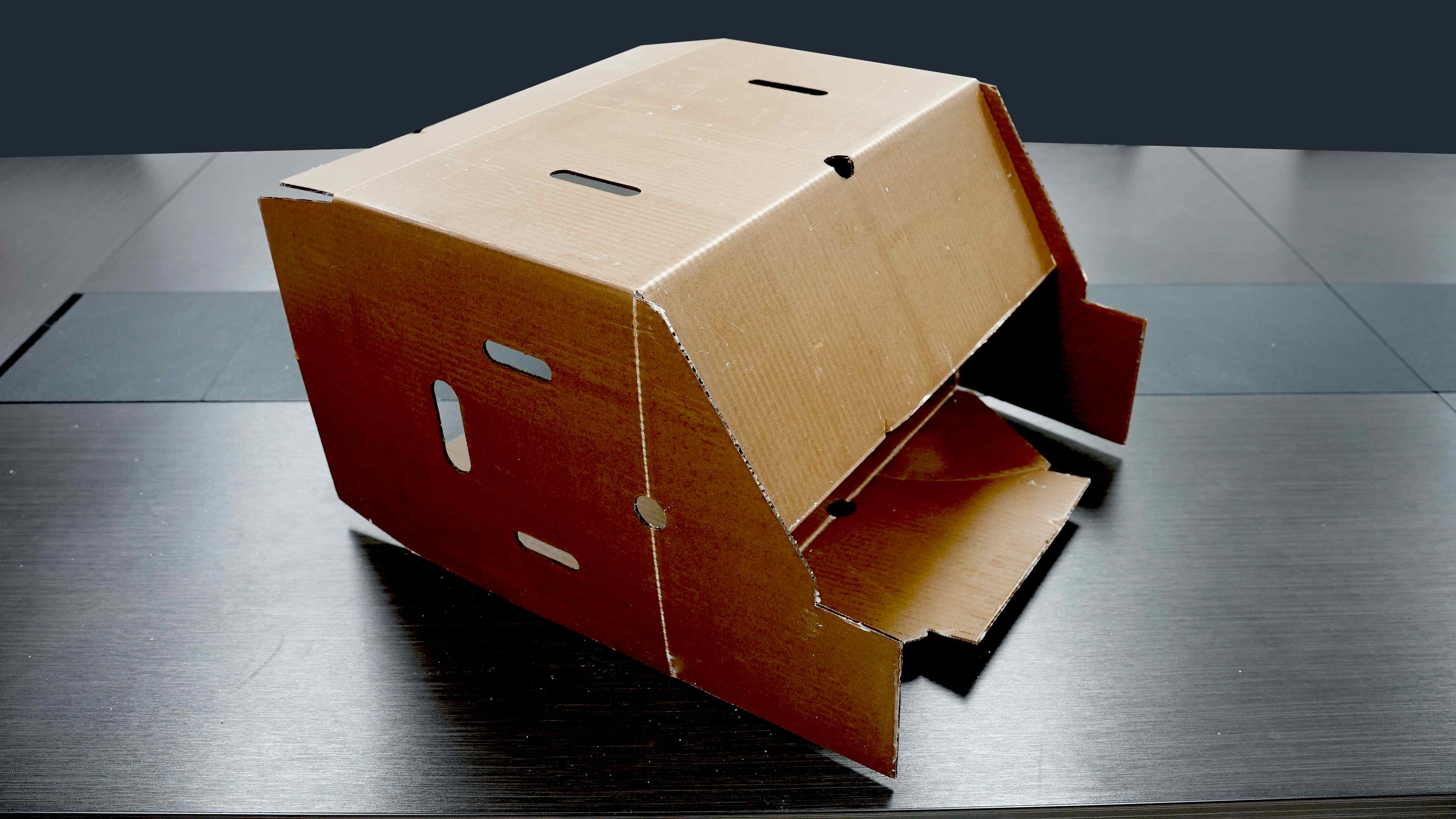
When it comes to shipping goods that face harsh environments, ordinary boxes just don’t cut it. Enter waxed corrugated boxes—your durable, moisture-resistant heroes. At ShiTeng Packaging, we’ve perfected the art of crafting these resilient containers to keep your products safe, dry, and intact. Curious how they outperform standard packaging? Let’s dive in.
Why Wax-Coated Corrugated Stands Up to Tough Conditions
Wax-coated corrugated packaging isn't just about adding a layer of shine—it's a practical engineering choice that transforms standard cardboard into a moisture-resistant workhorse. The wax infusion penetrates the fibers, creating a hydrophobic barrier that repels water, condensation, and even light splashes. This means your goods stay dry during unpredictable weather, in humid storage environments, or when nestled among melting ice packs. Unlike untreated corrugated that can buckle and lose strength when damp, wax-coated variants retain rigidity, safeguarding everything from fresh produce to industrial parts during transit.
Beyond moisture, this material handles the bumps and scrapes of real-world shipping with unexpected resilience. The waxy surface adds a subtle slickness that reduces friction against other boxes or conveyor belts, minimizing abrasion that often weakens edges and corners. It also resists staining from oils, greases, and dirt, keeping the exterior cleaner and more professional-looking even after extended handling. For businesses shipping items that might leak or sweat—think chilled seafood or auto components—this durability ensures the box won't disintegrate before reaching the final destination.
Temperature swings pose another challenge where wax-coated corrugated excels. Regular cardboard can become brittle in cold or soften in heat, but the wax treatment stabilizes the material, helping it maintain structural integrity from freezer storage to sun-baked loading docks. This versatility makes it a favorite in supply chains where conditions are far from controlled, offering a dependable, cost-effective solution that shrugs off the elements without needing additional liners or expensive alternatives.
The Hidden Engineering Behind Moisture Resistance
Moisture resistance often hinges on what you can’t see. At the material level, engineers manipulate surface energy and pore structure to force water to bead up rather than soak in. Tiny capillary channels in traditional bricks, for instance, are sized just right to break water’s cohesive pull, while modern hydrophobic additives create a nano-scale shield that still lets the wall breathe. This isn’t just a coating—it’s a re-engineering of the material’s internal geometry.
Beyond the materials, the real magic lies in layered assemblies that manage water in ways no single product could. Hidden air gaps behind cladding act as pressure equalizers, sucking moisture-laden air away from the inner structure. Flashings and weep holes, though inconspicuous, create deliberate drainage paths that exploit gravity to eject water before it causes damage. These systems work together like a silent orchestra, each element tuned to overcome a specific weakness in the building envelope.
Industries That Rely on Waxed Boxes for Safe Shipping
From coast to coast, seafood distributors trust wax-coated corrugated to keep everything from fresh salmon to live lobsters at peak quality. The wax barrier prevents moisture from soaking into the box walls, which could otherwise lead to structural failure during long-haul refrigerated transport. Without this protection, ice melt would quickly turn standard cardboard into a soggy mess, jeopardizing entire shipments.
Fresh produce shippers face similar demands, especially when packing leafy greens, broccoli, or berries that release moisture post-harvest. Waxed boxes help maintain a consistent internal environment, resisting condensation buildup that accelerates spoilage. In the meat and poultry sector, these containers offer an added layer of defense against blood and liquid purge, keeping cold chain integrity intact and reducing the risk of cross-contamination at distribution centers.
Beyond food, industrial supply chains handling damp or oily parts often turn to waxed packaging for reliability. Automotive components coated in corrosion inhibitors, or even certain chemical reagents shipped in semi-liquid form, benefit from the moisture-resistant strength of these boxes. The consistency of wax-treated fiberboard ensures that stacking and handling won't compromise the load, a detail that becomes critical when supply lines stretch across variable handling conditions.
Comparing Wax Treatments: Which One Suits Your Needs?
When you step into the world of waxing, the sheer variety of options can feel overwhelming. Soft wax, also known as strip wax, is a go-to for large areas like legs and arms because it adheres to the skin as well as the hair, making it efficient and quick. Hard wax, on the other hand, is applied thickly and removed without strips, shrinking around the hair follicles for a gentler experience on sensitive zones such as the bikini line or face. The choice largely hinges on your pain tolerance and the area you're targeting—soft wax tackles broad surfaces fast, while hard wax offers precision and comfort.
Temperature also plays a pivotal role in your decision. Hot wax formulas, warmed to a liquid consistency, open up pores and allow for a smoother pull, which can be a game-changer if you have coarse or stubborn hair. Cold wax strips, by contrast, skip the heating step altogether, offering convenience for quick touch-ups or travel, though they may require more passes to catch fine hairs. For those with sensitive skin, low-temperature hard waxes infused with soothing ingredients like chamomile or azulene can dramatically reduce redness. Ultimately, it’s about matching the treatment to your lifestyle: do you value speed and simplicity, or are you willing to invest a bit more time for a potentially smoother, longer-lasting result?
Real-World Durability Tests: How These Boxes Hold Up
We put these boxes through the wringer—literally dropping them from shoulder height onto concrete, stacking heavy items until they buckled, and leaving them out in a rainstorm. Most didn’t just survive; they barely showed a scratch. The reinforced corners and double-walled construction clearly aren’t just marketing fluff.
One surprise was how they handled moisture. After a full night outside during a drizzle, the inner contents stayed bone-dry, while the exterior felt merely damp. That’s a big deal if you’re storing stuff in a garage or basement where humidity can wreck cardboard over time.
Over weeks of routine abuse—being kicked around the warehouse, overpacked, and reused multiple times—the boxes held their shape. A few developed minor denting, but no splits or collapses. For a product that seems unremarkable at first glance, these tests prove they’re built to last in ways that matter for real life.
Sourcing Tips: What to Look for in Quality Waxed Packaging
When you're checking out waxed packaging, the first thing to notice is the coating itself. A proper wax finish should feel smooth but not slippery, with a consistent layer that doesn't flake or crack when you bend the material. Run your thumb over it—if it leaves a sticky residue or peels off in patches, you're looking at a cheap shortcut that will fail fast. The real deal uses food-grade waxes that bond tightly to the paperboard, giving it a slight sheen without any greasy feel.
Don't ignore the base stock either. Even the best wax won't salvage flimsy cardboard. Look for a solid fiber structure with cross-directional strength, so the box holds up in humid environments or when it's stacked. Good suppliers often use virgin fibers or high-ratio recycled content that's been properly pressed, not the mushy stuff that warps after a day in the cooler. A quick squeeze test tells you a lot: if it rebounds firmly instead of collapsing, it's built to last.
Finally, think about how the packaging performs under real conditions. Will it repel condensation from chilled products? Does it keep grease from seeping through? Ask for samples and actually use them—fill them with weighted goods, leave them in a fridge overnight, and see if the seams pop open. Heat-sealing ability matters too, especially for bakery or produce boxes that need airtight seals. If the supplier avoids these questions or can't offer clear specs, walk away.
FAQ
They are coated with a wax layer that provides excellent resistance to moisture and humidity, making them ideal for storing or shipping items that might otherwise lose structural integrity in damp conditions.
Absolutely. The waxed coating not only repels water but also reinforces the fibers, giving them extra durability that prevents collapse even when stacked or exposed to weight.
They are widely used in the food and agriculture industries, especially for shipping fresh produce, meats, and seafood, as well as in industrial settings where parts may be stored in variable environments.
Many waxed corrugated boxes are manufactured with food-grade waxes that meet regulatory standards for direct or indirect food contact, though it's always best to verify with the supplier for specific certifications.
They excel in cold storage because the wax prevents moisture from forming on the surface and weakening the board, so they stay sturdy and protective even in freezing temperatures.
Recyclability can be challenging due to the wax coating, as not all recycling facilities accept them. However, some manufacturers offer repulpable wax alternatives or suggest composting where facilities exist, balancing performance with environmental considerations.
Think about the exposure to moisture, temperature fluctuations, and the duration of storage. If your products are sensitive to water or need long-term stability in humid conditions, the upfront cost of waxed boxes often pays off with fewer damaged goods.
Yes, they can be printed on, though the wax finish may require specialized inks or processes. Many suppliers offer custom branding options to ensure your packaging looks professional while delivering top-notch protection.
Conclusion
Wax-coated corrugated boxes offer a rugged packaging option that balances toughness with moisture resistance, making them indispensable in demanding shipping environments. Their strength comes from the way wax integrates with the paper fibers, creating a barrier that repels water and reinforces the board structure even when exposed to rain, humidity, or repeated handling. This engineered protection isn't just a surface treatment; the wax penetrates deep into the fluting and liners, maintaining box integrity when dry untreated cardboard would buckle. As a result, these boxes hold up against harsh weather, rough transit, and extended storage without sacrificing load-bearing capacity, which is why sectors from agriculture to automotive parts increasingly depend on them.
Choosing the right wax treatment involves understanding the differences between edge-coating, full-dip, and curtain-coated methods, each suited to particular levels of moisture exposure and product weight. In practical tests, waxed boxes consistently outperform standard and even some plastic alternatives in compressive strength after wetting, proving their reliability across cold chain logistics and tropical climates alike. When sourcing, key indicators of quality include the uniformity of wax application, the basis weight of the corrugated board, and the recyclability of the materials used—though waxed boxes remain widely accepted in many recycling streams despite common misconceptions. By matching the wax treatment to operational needs and verifying through supplier certifications, businesses secure a cost-effective, durable solution that reduces product loss and maintains brand integrity from warehouse to delivery point.
Contact Us
Contact Person: Mr. Ge Man
Email: [email protected]
Tel/WhatsApp: 8613710506492
Website: https://www.shitengzx.com