
Best Window Treatments That Instantly Upgrade Your Home
2026-08-20
You don’t need a full renovation to make a room feel new—sometimes the fastest fix is right at the window. The best window treatments do more than block sunlight; they sharpen a space, add warmth, and instantly upgrade the way your home looks and feels. If your windows are still bare or stuck with builder-basic blinds, these picks (including a few from ROLLERGY) might change how you see the whole room.
Roman Shades That Read Like Custom Millwork
There’s a reason these shades get mistaken for built-in window architecture. The fabric stacks into precise, even folds that mirror the clean lines of custom wood paneling, and the front slats are stiffened just enough to hold a crisp edge without looking industrial.
Instead of a flimsy hem, the bottom bar is wrapped in the same material or finished with a subtle metal accent, so the shade lands with the weight of a solid sill. The side edges stay taut thanks to concealed ribs, which keeps every fold aligned when the shade is raised or lowered.
Pair them with a shallow valance or mount them inside the frame flush with the casing, and they disappear into the room’s millwork. The result is less like a soft window covering and more like a movable panel system that happened to be upholstered.
Why Barely-There Sheers Are the Secret to Softer Light
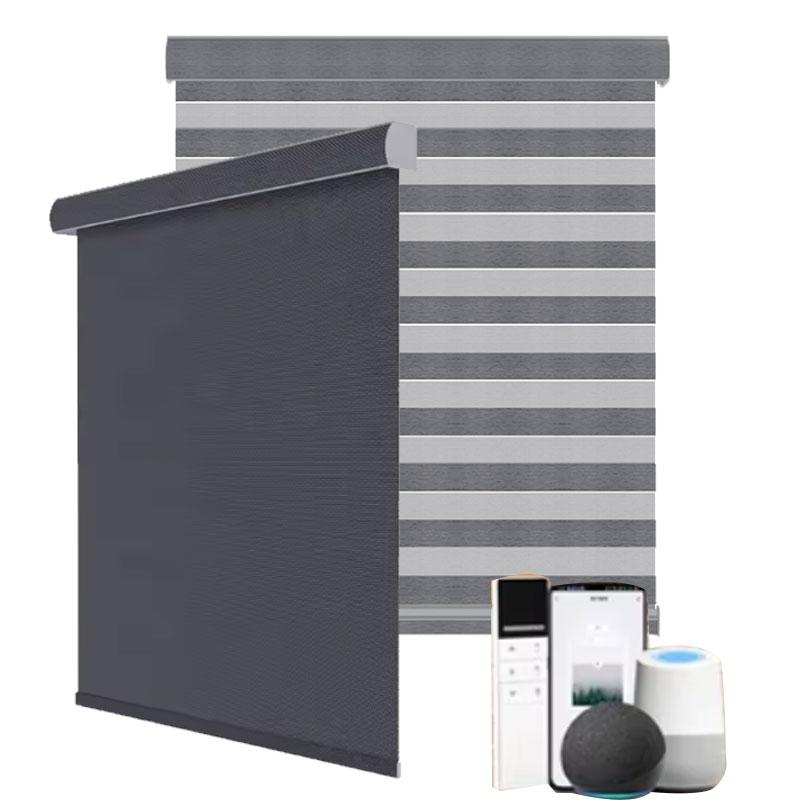
Most people assume that thinner fabric means harsher light, but it actually works the other way. Barely-there sheers don't block sunlight so much as they diffuse it, breaking those sharp rays into a gentle wash that fills a room without any glare. The fabric acts like a softbox in front of a window, scattering light evenly so you get brightness without the harsh shadows or hot spots that heavier drapes can create when they're pulled back.
There's also a subtle magic in how sheer panels handle the transition between day and evening. During the afternoon, they keep the sun from feeling like a spotlight, while still letting the room stay bright and airy. As the light fades, the sheers pick up the last warm tones from outside and hold them for a while, almost like they're squeezing the last bit of daylight into your space. It's a kind of softness you can't get from blinds or blackout curtains, which either block everything or leave you exposed.
And the best part is that this isn't about buying expensive specialty fabric. Even the most basic polyester or cotton voile can do the job if you layer it right. Two panels instead of one, or hanging them slightly gathered rather than flat, changes how the light scatters. You end up with a room that feels comfortable to be in at any hour, without ever having to touch a dimmer switch.
Floor-to-Ceiling Linen Panels Without the Fuss of a Cornice
Dropping the cornice changes the whole character of floor-to-ceiling linen panels. Instead of a heavy cap, the fabric can run straight up to a slim ceiling track or even a simple tension rod tucked just below the plaster line. The top edge gets a clean hem or a strip of hook-and-loop tape, so the panel hangs without any bulky trim. What you are left with is a flat, uninterrupted plane of texture that makes the wall feel taller and the room calmer.
Installation stays simple because there is no mitering, no crown molding to paint, and no brackets to conceal. You measure the drop, add a couple of inches for the hem, and let the linen do the work. Wrinkles are welcome here - they give the fabric a relaxed, lived-in quality that stiff cornices tend to erase. If you need to adjust the height, a quick fold at the top or bottom keeps things forgiving.
For a bedroom or a reading corner, go with unbleached or oat-colored linen and let the panels sit a hair above the floor so they do not catch dust. In a dining room, pair them with simple brass or matte black hardware; the lack of a cornice keeps the eye moving upward instead of stopping at a decorative band. The result feels less like drapery and more like soft architecture.
The Mismatched Valance: A Fast Way to Make a Room Feel Collected
Most people assume a valance has to match the curtains or the bedding, but that rule feels tired. Picking a valance in a completely different fabric or pattern actually pulls the room together faster than anything custom-made. It works because your eye lands on that one unexpected piece and reads the rest of the space as intentional, even if you threw it together on a Sunday afternoon.
The trick is to grab a valance that borrows one color or texture from elsewhere in the room—maybe the rust in a throw pillow, or the linen weave of a lampshade. You don't need to measure perfectly or spend more than twenty bucks. That slight mismatch tells guests you collect things over time instead of buying a matched set from a big box store.
Try it in a kitchen window with a floral valance above plain white café curtains, or in a bedroom where a striped valance sits over solid drapes. The room will feel layered and lived-in, not decorated. And if you get tired of it, swapping just the valance is the cheapest design refresh you'll ever make.
Top-Down Bottom-Up Shades for Privacy Without the Cave Vibe
Top-down bottom-up shades flip the usual script on window coverings. Instead of only lowering from the top, the bottom rail moves independently, so you can raise the panel from the sill while keeping the upper portion covered. The result is a room that feels open, bright, and connected to the outdoors without handing over a clear sightline to anyone passing by.
This configuration shines in street-facing bedrooms or bathrooms where privacy is non-negotiable but heavy drapes or fully drawn blinds would swallow the light. By adjusting two rails to different heights, you create a soft, diffused glow near the ceiling and a private shield below. It reads less like a bunker and more like a considered design choice—airy, layered, and never cave-like.
Plantation Shutters as Structural Anchors for Airy Rooms
Plantation shutters do more than filter light—they give a room its posture. In spaces with high ceilings and wide windows, the broad louvers act like horizontal datum lines that hold the eye, preventing all that airiness from feeling unmoored. The frames, often installed with a clean, furniture-like casing, introduce subtle architectural weight without closing the space down.
Think of them as the room's shoulder blades: the shutter panels pull the window wall forward just enough to create depth, while the tilt rods and stiles add a repeated vertical rhythm. That rhythm anchors tall windows to the floor plane, making even a mostly empty room feel composed rather than sparse.
The trick is in proportion. Wider louvers—say 4 1/2 inches—read as modern and calm, while narrower ones bring a more traditional, tailored grain. Either way, the shutter becomes the structural punctuation that lets the air stay light but never directionless.
FAQ
Hang curtain rods a few inches below the ceiling and let full-length panels puddle slightly on the floor. Vertical stripes or tone-on-tone sheers also draw the eye upward better than short valances.
Roman shades usually win in tight spaces because they sit inside the frame and don't need side clearance. If you prefer curtains, go with a slim track and lightweight linen so the stack doesn't eat into the room.
Tension rods with linen-blend curtains or peel-and-stick cellular shades are fuss-free. You get a finished look without drilling, and they come down clean when the lease ends.
Yes, cellular shades with double or triple honeycomb pockets trap air and reduce heat transfer. In summer, white-lined curtains on south-facing windows also keep rooms noticeably cooler.
Layer a woven wood shade underneath full-length drapes. Use a chunky rod with simple finials and hang panels wide enough to cover the frame, not just the glass.
Custom-cut woven woods or sheer roller shades are worth the splurge because off-the-shelf panels rarely fit odd widths. You can also mount a curtain rod extra wide and extend panels beyond the window to fake balanced proportions.
For hard-to-reach windows or a room where you adjust light often, yes. They're quieter than they used to be and many run on rechargeable batteries, so you don't need to rewire the house.
Try light-filtering dual shades: a sheer front layer for daytime, plus a room-darkening back layer you pull down at night. Or use top-down bottom-up cellular shades that let light in high while covering eye level.
Conclusion
Swapping out basic blinds for Roman shades in a flat weave or softly textured fabric can give a window the weight and presence of custom millwork, especially when the folds stack neatly and the hardware stays hidden. Pair them with barely-there sheers in a side stack and you get sunlight that pools instead of glaring—no need for heavy drapery. Floor-to-ceiling linen panels offer a similar softness but with less structure; hanging them on a simple rod, unlined and gently puddled, feels effortlessly tall and airy without the fuss of building a cornice. If you want a room to feel collected rather than decorated, try a mismatched valance: a vintage block print next to a solid linen, or two different trims on the same rod. That small note of intentional contrast reads as personal and instantly makes the window feel more considered.
For rooms where you need privacy but hate the cave-like dimness of standard shades, top-down bottom-up options let you drop the top half of the shade while keeping the lower portion covered, so daylight still moves across the ceiling and upper walls. Plantation shutters work just as hard in airy spaces: their wide louvers and clean frame lines act like structural anchors, giving tall windows a sense of order without blocking the breeze or the view. Mixing these treatments across different rooms—Roman shades in the study, sheers in the living room, shutters in the kitchen—creates a layered home that feels upgraded in a quiet, practical way.
Contact Us
Contact Person: Vivien Cheng
Email: [email protected]
Tel/WhatsApp: +86 13751758835
Website: https://www.rollergytech.com/