
China Feeding System Advancements in Precision Livestock Nutrition
2026-08-13
Precision livestock nutrition is moving from a nice-to-have to a production necessity across China's farms. Yet many feeding systems still lag behind the data they produce. That gap is where Fanchang Machinery has been pushing development forward—combining sensor-based feed metering, real-time ration adjustments, and more resilient hardware for modern operations. In this post, we'll unpack the key advancements shaping China's feeding systems and what they mean for efficiency, animal health, and your bottom line.
Feeding Pigs by Algorithm, Not by Guesswork
For years, pig feeding hinged on a feed scoop and a farmer’s instinct. A slight change in temperature, a batch of finicky eaters, or a shift in genetics meant guesswork at the trough. Now, small sensors tucked into feeders and water lines track every mouthful. Combined with weight scales and barn cameras, the data feeds a model that learns each group’s true nutritional needs, not the averaged recommendations printed on a feed bag.
The real shift happens when the algorithm starts adjusting rations on its own. Instead of a fixed corn-soy mix poured day after day, the system tweaks amino acid levels, energy density, and even feeding times based on how pigs responded yesterday. A pen that’s lagging in growth but eating well might get a bump in lysine. A barn that’s too warm might see a lower-energy diet to prevent heat stress. These aren’t wild swings, but small, daily corrections that add up.
Farmers who make the switch often notice less feed wasted in the pit and fewer pigs falling behind. It’s not about replacing the herdsman’s eye, but giving it a sharper focus. The algorithm flags a pen that’s off its normal pattern before anyone sees a runt. That early nudge means a tweak instead of a treatment, and over a full grow-out cycle, it can mean the difference between break-even and a healthy margin.
Why Chinese Farms Are Wiring Up Every Feed Trough
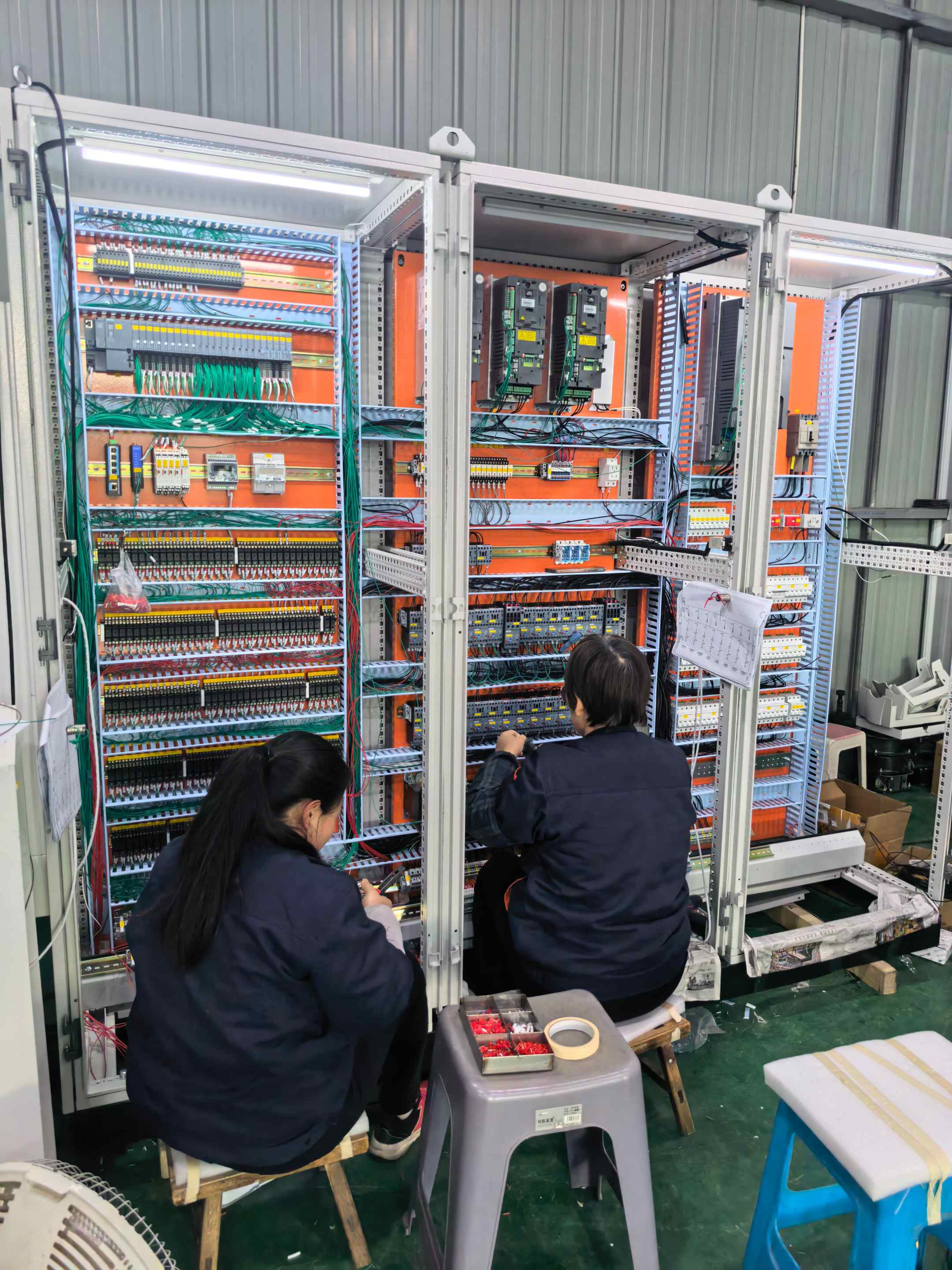
Walk through a modern Chinese pig or poultry barn and the first thing you notice isn't the animals—it's the thin sensor wires running into nearly every trough. Each feed station now logs how much an individual animal eats, when it eats, and how quickly it finishes. For farm managers, that granular data replaces guesswork with a daily feeding curve that flags sick animals early and adjusts rations before weight gain stalls.
The push comes from tight margins and fewer hands willing to do repetitive farm labor. Wiring up troughs lets one worker oversee thousands of animals through a phone app, cutting feed waste by as much as 8 percent on some large operations. Suppliers like New Hope and Muyuan have rolled out these connected feeders in newly built barns, while older facilities retrofit existing troughs with clip-on sensors rather than ripping out concrete.
Beyond the barn, the data feeds into breeding and pricing decisions. When a batch of pigs consistently leaves a bit of feed behind, that signals a formulation tweak or a ventilation issue—not a random fluke. The same sensor network can track water intake patterns and ambient temperature at trough level, giving farm owners a real-time picture that old paper logs never captured.
The End of Flat-Rate Nutrition in China's Swine Sector
For years, most Chinese hog operations relied on a flat-rate nutrition approach—every animal got the same feed formulation regardless of age, weight, or reproductive stage. It was simple to manage, especially on smaller family farms where manual feeding was the norm. But that simplicity came with hidden costs: nutrients were wasted on pigs that didn't need them, while high-performing animals often fell short of their genetic potential. As the sector consolidated and feed prices fluctuated sharply, the economic penalty of one-size-fits-all feeding became impossible to ignore.
The shift away from flat-rate nutrition picked up speed as larger, more industrialized farms adopted phase feeding and split-sex feeding. Instead of a single diet from weaning to market, producers started matching lysine, energy, and mineral levels to specific growth windows. Sow herds saw even sharper changes—gestation and lactation diets were fine-tuned based on body condition scoring and litter size. Some operations went further, using real-time feed intake data to adjust rations weekly. The goal was no longer just keeping pigs alive; it was squeezing every gram of gain from each kilogram of feed.
African swine fever outbreaks added another layer of pressure. Strict biosecurity protocols meant fewer people entering barns and less frequent feed changes, which clashed with precision nutrition's demand for constant adjustment. Yet the top producers found ways around this—automated feeding systems, remote monitoring, and pre-programmed diet transitions. What emerged is a sector where flat-rate feeding is now seen as a relic. The farms that survive the current cost squeeze are the ones treating nutrition as a dynamic, data-driven process rather than a fixed monthly expense.
Turning Local Crop Byproducts into Precision Feed Blends
Corn stalks, rice hulls, and cassava peels rarely make it into a feed bin without some rethinking. Yet a growing number of local mills now see these leftovers as base ingredients rather than disposal problems. By running small batch analyses for moisture, ash, and neutral detergent fiber, they can determine how much of each byproduct fits into a mix for a particular herd or flock. That changes a pile of crop residue into a precision feed blend tuned to the animal's stage of growth.
The challenge lies in variability. Peanut shells from one harvest will not digest the same as those from the next, so processors dry, grind, or ferment the material before blending. Enzyme treatments help break down lignocellulose to release more energy, while mineral premixes and amino acid top-ups fill known gaps. The aim is a feed that stays consistent from one batch to the next, even when the raw inputs shift.
Sourcing byproducts within a short radius also cuts haulage costs and gives farmers an extra income stream from material they might otherwise burn or bury. Over time, mills build a library of local ingredient profiles, which lets them swap one byproduct for another as seasons change without pushing the final blend outside its nutritional spec.
Silage Sensors and Smart Bunk Management on Chinese Dairies
On many large dairies in Heilongjiang and Inner Mongolia, silage faces still get probed by hand several times a week, but a growing number of farms now run wireless temperature probes buried at multiple depths across the bunker. These sensors feed data to a phone app, flagging hot spots that often precede aerobic spoilage long before anyone would notice by touch. The real shift is not the gadget itself, but tying those readings to face management schedules — if a spike appears near the top corner, the feed-out rate there is adjusted within the same shift rather than waiting for the next weekly walk-through.
Smart bunk management on these operations tends to focus on three numbers: how much silage is removed per day, the distance the defacer travels, and the interval between fresh cuts. Sensors now capture all three automatically. For example, a dairy in Ningxia reduced surface spoilage by roughly a third after installing laser distance meters on the bunker face and using the daily removal data to keep the face moving at least 15 to 20 centimeters in summer. The system also alerts the feeder when the defacer leaves a ragged surface, which was a common hidden source of yeast and mold growth.
What makes the Chinese context slightly different is the mix of very large herds and relatively tight bunker space. Rather than relying on imported cloud platforms, several farms use local server software that integrates silage sensor readings with TMR loading records. If the silage dry matter shifts because of a rain event or a change in crop maturity, the loading program adjusts the inclusion rate for that afternoon’s mix. This closed-loop approach is still patchy across provinces, but where it is working, the payoff shows up in fewer rejected feed refusals and more stable milk components during the transition from old crop to new crop.
Closing the Loop Between Feed Intake Data and Next-Day Ration Tweaks
Most dairy operations still treat yesterday's feed intake as a historical record rather than a live input. That gap between what cows actually ate and what the mixer wagon delivers the next morning is where margin quietly leaks away. Closing the loop means pulling real intake numbers off the feed bunk, comparing them against the formulated ration, and letting a clear decision rule trigger adjustments before the next batch is mixed. It is not about chasing every pound, but about catching drift early enough that it never becomes a production slump.
The practical side looks less like high-tech wizardry and more like a tight daily rhythm. A feeder records refusals, a manager checks dry matter changes in the silage face, and a short morning huddle turns those observations into a single tweak for the afternoon load. The loop tightens when the tweak is written down, assigned to someone, and checked again the following day. Farms that get this right tend to stop second-guessing the nutritionist and start trusting their own bunk data.
What separates a closed loop from a wishful one is feedback speed. If intake drops on Tuesday and the ration changes on Thursday, two milkings have already slipped. Shrinking that window to under twenty-four hours often matters more than the size of the adjustment itself. Even a half-pound change in dry matter or a slight shift in forage inclusion can bring intake back in line when it is applied while the signal is still fresh. That is the whole game: turning yesterday's numbers into today's mixer sheet, not next week's report.
FAQ
Rising feed costs, tighter environmental regulations, and pressure to improve meat quality have pushed many Chinese producers away from uniform ration feeding. Instead, they are adopting systems that adjust nutrient delivery based on real-time animal data such as weight, intake, and health status.
A mix of RFID ear tags, smart feeders, walk-over weighing platforms, and camera-based body condition scoring is becoming common. These tools feed data into farm management software, which then tailors feed formulations for specific groups or even individual animals.
Local companies have developed platforms that combine near-infrared spectroscopy results for raw materials with dynamic nutrient requirement models. This helps nutritionists reformulate rations within minutes when ingredient quality shifts, rather than relying on static tables.
Large integrated farms have led adoption because they can justify the upfront cost. However, some provincial programs now offer shared precision feeding services and cooperatives that rent smart feeders to smaller farms, which lowers the barrier substantially.
Field reports commonly cite a 5–10 percent reduction in feed waste, lower nitrogen and phosphorus excretion, and improved average daily gain. In sow herds, precision feeding during gestation has reduced over-conditioning and associated farrowing problems.
China's systems often place greater emphasis on integration with mobile payment and cloud platforms already popular on farms. They also tend to prioritize rapid adaptation to diverse local feed ingredients, such as rice bran, cassava, and regional oilseed meals, rather than corn-soybean-centric rations.
Data interoperability remains a headache because equipment from different vendors often cannot communicate. Additionally, reliable internet connectivity in remote areas and the need for training farm staff on interpreting software recommendations are ongoing hurdles.
In-line sensors for real-time amino acid analysis of liquid feed, machine learning models that predict individual feed intake from video, and blockchain-linked traceability of feed ingredients are all being piloted. These could push the sector from group-level precision toward truly individualized nutrition management.
Conclusion
On a growing number of Chinese pig farms, the daily ration is no longer a fixed formula scribbled on a barn wall. Algorithms now parse real-time intake from sensor-equipped troughs, adjusting amino acid ratios and energy density for each pen as appetites shift with weather, health, or stress. The old practice of flat-rate feeding, where every finisher got the same blend regardless of body weight or appetite, is fading fast. Instead, barn-level controllers wire data from thousands of feeding stations into a central model that flags outliers within hours. A pen that leaves feed uneaten triggers an automatic tweak to the next delivery, cutting waste and improving feed conversion. This shift matters because China's swine herd is huge and margins are thin; a one-point gain in FCR across a single large integrator can save millions of yuan in soybean meal. The same logic now extends to mixing local crop byproducts, peanut vines, sweet potato residues, rice bran, into precision blends that would have been dismissed as filler a decade ago. By measuring fiber, starch, and protein variability in these regional ingredients, farms can reduce reliance on imported corn and soy while still hitting target daily gain.
Chinese dairies are applying a similar closed-loop approach to roughage. Silage faces are monitored with moisture and temperature probes, while feed bunks use load cells and cameras to track how much forage is actually consumed, not just offered. If a group of cows leaves more than a set threshold of corn silage overnight, the next morning's ration software pulls back on that ingredient or adjusts particle length to improve palatability. This daily cycle, from intake data to next-day ration tweaks, replaces the weekly or monthly adjustments that once let metabolic issues simmer unnoticed. The result is less refusal, more consistent dry matter intake, and fewer off-feed events around transitions. Chinese farms are also wiring every trough in farrowing and nursery barns, where small changes in creep feed intake can signal health problems days before clinical signs appear. Rather than guessing at what a pig or cow needs, these systems let the animals vote with their mouths, and the data loops back into ration formulation overnight. It is a quiet but consequential upgrade: precision livestock nutrition in China is becoming less about buying expensive supplements and more about listening to what the feed intake data already says.
Contact Us
Contact Person: Darye WANG
Email: [email protected]
Tel/WhatsApp: 86-13501017897
Website: https://www.fcntd.com/