
China Laminated Pouches: Elevating Flexible Packaging with Advanced Barrier Properties
2026-05-31
As flexible packaging demands grow more sophisticated, one name is redefining barrier performance from China: Kody. Laminated pouches are no longer just about containment—they are precision-engineered shields against moisture, oxygen, and light. This piece unpacks how advanced lamination technologies are setting new benchmarks for product protection, shelf life, and brand impact, with Kody leading the charge.
Inside the Multi-Layer Barrier Technology That Locks In Freshness
Food packaging has come a long way from simple containers—it’s now a silent guardian of what we eat. At the core of preserving peak flavor and texture is a clever arrangement of specialized films, each assigned a distinct protective duty. One layer might fend off moisture, another blocks oxygen, and a third provides mechanical strength. This invisible collaboration happens right beneath your fingertips, all while maintaining a slim profile that doesn’t sacrifice convenience.
What makes these systems truly effective isn’t just the materials themselves, but how they’re fused. Advanced co-extrusion techniques merge polymers like EVOH, nylon, and polyethylene into a single, unified sheet without the use of adhesives that could leach or fail over time. The interfaces are designed at a microscopic level to prevent delamination, ensuring the barrier stays intact even when the package is crinkled, folded, or exposed to extreme temperatures. It’s engineering so precise that a layer only a few microns thick can extend shelf life by weeks.
Real-world performance depends on balancing protection with breathability. For items like fresh produce or baked goods, a perfect seal would actually shorten shelf life by trapping ethylene gas or moisture. Instead, selective permeability is built in: the barrier allows certain molecules to escape while keeping oxygen and external odors out. It’s a bit like a high-tech membrane that “knows” what to let through, constantly adjusting to the product’s respiration rate. This tailored microclimate is why chips stay crunchy, bread remains fluffy, and cheese keeps its intended bite.
Serving Snacks, Coffee, Nutraceuticals, and Beyond with Precision
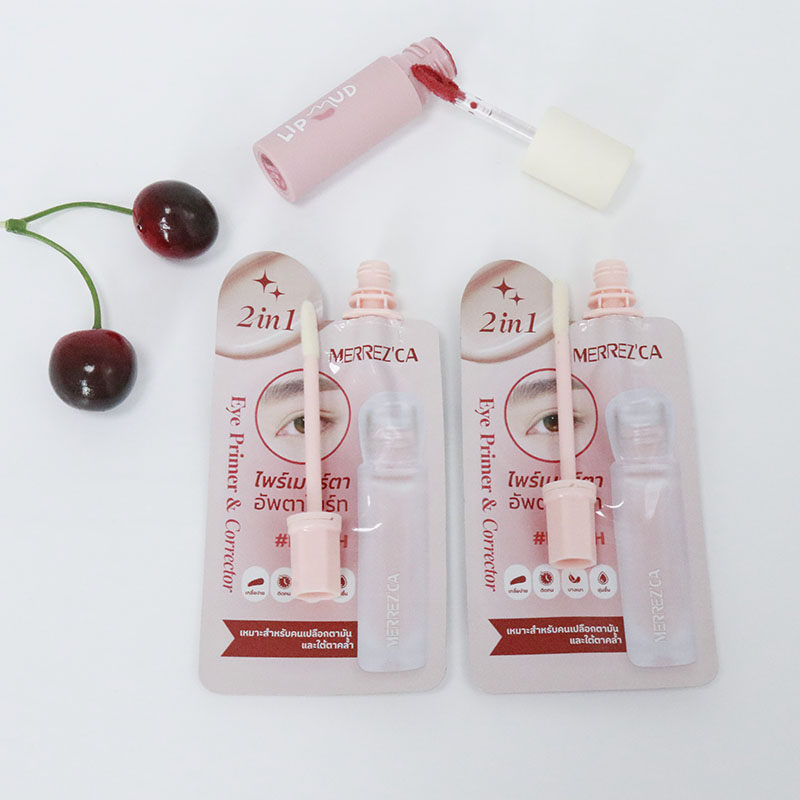
Precision isn't just a buzzword here—it's the quiet choreography behind every cup of coffee poured, every snack assembled, and every nutraceutical carefully portioned. Whether it's a quick bite between meetings or a tailored wellness shot, the rhythm of service adapts seamlessly to the moment, ensuring that nothing feels rushed and nothing is overlooked.
What sets this apart is the attention to the small, often invisible details: the grind size adjusted for a specific batch of beans, the temperature curve monitored for sensitive active ingredients, and the thoughtful placement of a gluten-free snack right where someone would naturally reach for it. There’s no one-size-fits-all script; instead, each interaction is shaped by real-time cues, making precision feel personal rather than mechanical.
And it doesn’t stop at the usual offerings. The same careful approach extends into the expanding world of nutraceuticals—think collagen-infused teas and probiotic-packed bites—where accuracy in dosing and freshness are non-negotiable. It’s about meeting people where they are, with exactly what they need, whether that’s a moment of indulgence or a step toward better health.
Navigating the Shift Toward Fully Recyclable Laminated Materials
For years, laminated packaging has delivered the barrier performance food and personal care brands depend on—but at the cost of recyclability. Multi-material laminates, built from layers of aluminum, polyethylene, and polyester, simply couldn’t be separated after use, ending up incinerated or landfilled. Now, mounting regulatory pressure and public demand for sustainability are forcing an industry-wide rethink. Suddenly, the conversation isn’t about incremental improvements; it’s about designing packaging that fits real-world recovery systems without sacrificing shelf life or safety.
A quiet revolution is unfolding in polymer chemistry and processing. Mono-material polyethylene and polypropylene structures are starting to replace complex laminates, while new coatings and barrier additives step in to block oxygen and moisture. Some converters are even returning to paper-based films when viable. None of this comes easily—downgauging, resealing, and high-speed filling lines all throw up hurdles. Yet brands that navigate this shift early aren’t just chasing compliance; they’re rebuilding customer trust through packaging that actually gets recycled.
Crafting Distinctive Pouch Designs That Command Consumer Attention
A pouch that stops shoppers in their tracks isn't born from playing it safe. It takes a sharp departure from the expected—think contoured edges that mimic natural forms, or material pairings that spark tactile curiosity. When a design relies on the same tired rectangular silhouettes and standard zippers, it fades into the background. Instead, consider shapes that challenge convention: a gathered drawstring that transforms the pouch into a sculptural object, or an asymmetrical flap that adds movement. These choices signal that the brand isn't just another option—it's a statement.
Surface details can be the quiet persuaders that draw a hand closer. Replace high-gloss synthetic finishes with matte textures that soften over time, or embed subtle irregularities like a grain pattern that varies from piece to piece. Hardware matters too—a custom-shaped pull tab in brushed metal or a toggle closure made from polished wood introduces an element of deliberate craft. When every touchpoint, from the zipper’s glide to the way a strap connects, feels considered, the pouch becomes an extension of personal style rather than a mere utility. This is where distinctiveness lives: in the accumulation of small, thoughtful deviations that make a design feel irreplaceable.
Color can act as a powerful anchor, especially when it breaks free from seasonal palettes. Instead of defaulting to neutrals, explore muted brights that evoke a specific memory or place—a dusty clay tone from a desert landscape, or a deep aquatic hue with just enough pigment to feel alive. Pairing an unexpected interior lining color adds a private delight, rewarding the user each time they reach inside. These chromatic choices, grounded in emotion rather than trend, give a pouch a personality that resonates long after the first glance. It’s not about shouting the loudest; it’s about creating a visual whisper that’s impossible to ignore.
What Sets China’s Laminated Pouch Manufacturers Apart on the World Stage
A quiet revolution in material science has unfolded inside Chinese factories, where laminated pouch production has moved far beyond simple commodity manufacturing. Today, the competitive edge comes from proprietary barrier film recipes that can be tuned for everything from high-acid fruit concentrates to moisture-sensitive probiotic powders. Rather than relying on off-the-shelf laminates, leading manufacturers operate in-house blown film lines and solvent-free lamination halls, allowing them to slash oxygen and water vapor transmission rates by up to 40% compared to standard structures. This vertical integration ripples into faster lead times because film adjustments don’t depend on an external supplier’s development queue.
Flexibility in run sizes is another quiet differentiator. While many Western converters demand minimum order quantities in the hundreds of thousands, Chinese specialists have perfected changeover systems that make mid-sized batches economically viable. A typical high-performance facility might switch between a matte-finish coffee pouch, a high-barrier retort pouch, and a resealable nut pack within the same shift without sacrificing film utilization rates. This agility enables emerging snack brands to test multiple formats in small markets without soaking up warehousing costs, a capability that has turned numerous contract packaging relationships into true R&D partnerships.
Less visible but equally crucial is the network effect that clusters coating workshops, cylinder engraving studios, and digital pre-press bureaus within a single industrial zone. When a new recyclable mono-material structure needs matching inks and a tailored adhesive cure cycle, a manufacturer can pull together the required supply chain inputs in days rather than weeks. The result isn’t just a lower unit price, but a prototyping loop that condenses months of trial into a handful of iterative runs, letting brands go from concept to shelf with a pouch that already meets evolving EU packaging directives.
Innovations like Resealable Zippers and Spouts for Everyday Ease
Modern packaging has quietly transformed the way we interact with everyday products, and innovations like resealable zippers and pour spouts are at the heart of this shift. These features might seem small, but they solve real problems—keeping snacks crisp after opening, preventing spills when pouring detergent, and making it effortless to use just the right amount without creating a mess. The resealable zipper, for instance, has moved far beyond basic food storage bags; it now appears on everything from coffee pouches to frozen fruit, with improved designs that align more easily and seal with a satisfying press. Similarly, spouts have evolved from simple plastic caps to ergonomic, drip-free fitments that control flow and even incorporate tamper-evident closures, combining convenience with safety.
What makes these add-ons truly stand out is how they adapt to our routines without asking for extra effort. A resealable cheese package that lies flat in the fridge, a laundry detergent bottle with a no-glug, self-draining spout—these are the kinds of thoughtful details that remove tiny daily frustrations. Manufacturers have started using materials that are easier to grip and manipulate, even for those with limited hand strength, and the seals are more reliable than ever, so there’s less food waste from spoilage or stale snacks. The focus isn’t just on function, either; the tactile and audible feedback of a secure zipper or a cleanly snapping cap contributes to a small but meaningful sense of satisfaction each time you open and close a package.
Beyond personal convenience, these innovations can shift household habits. When a spout pours cleanly, we’re less inclined to reach for a funnel or wipe down the counter afterward. When a bag reseals reliably, kids are more likely to close it properly—keeping their favourite cereal fresh for tomorrow’s breakfast. It’s about reducing those invisible barriers to tidiness and freshness, making better habits almost automatic. And as these features become standard across more categories, they set a new baseline for what we expect from packaging: nothing short of easy, clean, and dependable every single day.
FAQ
Chinese laminated pouches are engineered with multi-layer barrier films that significantly extend shelf life by blocking moisture, oxygen, and light. The manufacturing precision and material innovation rival global standards while maintaining cost efficiency.
The advanced barrier layers prevent external contaminants and oxidation, preserving freshness, aroma, and nutritional value. This is crucial for sensitive products like coffee, snacks, and pharmaceuticals, where any degradation can impact quality and safety.
They often combine aluminum foil, metallized PET, EVOH, or nylon with polyethylene for sealing. These materials are layered to balance strength, transparency, and barrier performance, tailored to specific product needs.
Absolutely. Beyond standard sizes and shapes, manufacturers offer custom printing, resealable zippers, tear notches, and spout options. This flexibility serves industries ranging from food and beverage to pet care and cosmetics.
Many producers now use recyclable mono-materials or incorporate post-consumer recycled content without sacrificing barrier properties. Lightweight design also reduces shipping carbon footprint compared to rigid containers.
Top-tier Chinese facilities operate under ISO and BRC standards, using the same advanced converting equipment. Consistency in seal integrity and print quality meets international requirements, often at a more competitive price point.
High-definition rotogravure and digital printing allow vibrant, photorealistic graphics that boost brand visibility on shelves. Matte or gloss finishes add tactile appeal, making the packaging part of the consumer experience.
Yes, smart packaging features like QR codes for traceability and freshness indicators are gaining traction. There's also a push toward compostable laminates that maintain barrier properties while biodegrading after disposal.
Conclusion
When it comes to keeping food and beverages at their peak, the multi-layer construction behind China's laminated pouches does the heavy lifting. Each layer—from aluminum foil to specialized polymers—is precisely engineered to block moisture, oxygen, and light, locking in freshness far longer than conventional packaging. This isn't just about extending shelf life; it's about preserving the exact flavor and texture that consumers expect, whether it's a crisp potato chip, a fragrant coffee bean, or a delicate nutraceutical powder. Chinese manufacturers have fine-tuned these barrier properties to serve a wide array of products, customizing film combinations and seal strengths to match specific product sensitivities, so every pouch performs as a tailored protective shell. The precision extends to the line as well—high-speed filling and sealing processes are seamlessly integrated with pouch design, ensuring that the structural integrity holds up from factory to pantry.
Yet performance alone isn't enough, and China's laminated pouch sector is actively reshaping itself to meet the circular economy head-on. A quiet but decisive shift is underway toward fully recyclable laminated materials, with mono-material structures that don't sacrifice barrier performance while enabling easier recovery. At the same time, designers are using high-definition printing, matte and gloss finishes, and unconventional shapes to create pouches that grab eyes on crowded shelves—a critical advantage when consumer loyalty can be won in a split second. What also sets Chinese manufacturers apart globally is their ability to merge such aesthetic demands with practical innovations: think laser-scored tear notches, child-resistant yet senior-friendly zippers, and drip-free spouts that turn a simple pouch into a daily convenience. This blend of advanced barrier technology, sustainability foresight, and user-centric design is quietly making China a go-to source for brands that want packaging as sophisticated as what's inside.
Contact Us
Contact Person: Cindy Lee
Email: [email protected]
Tel/WhatsApp: 8613622669331
Website: https://www.dgkody.com