China Protein Bar Line Growth Fuels New Snacking Choices
2026-11-16
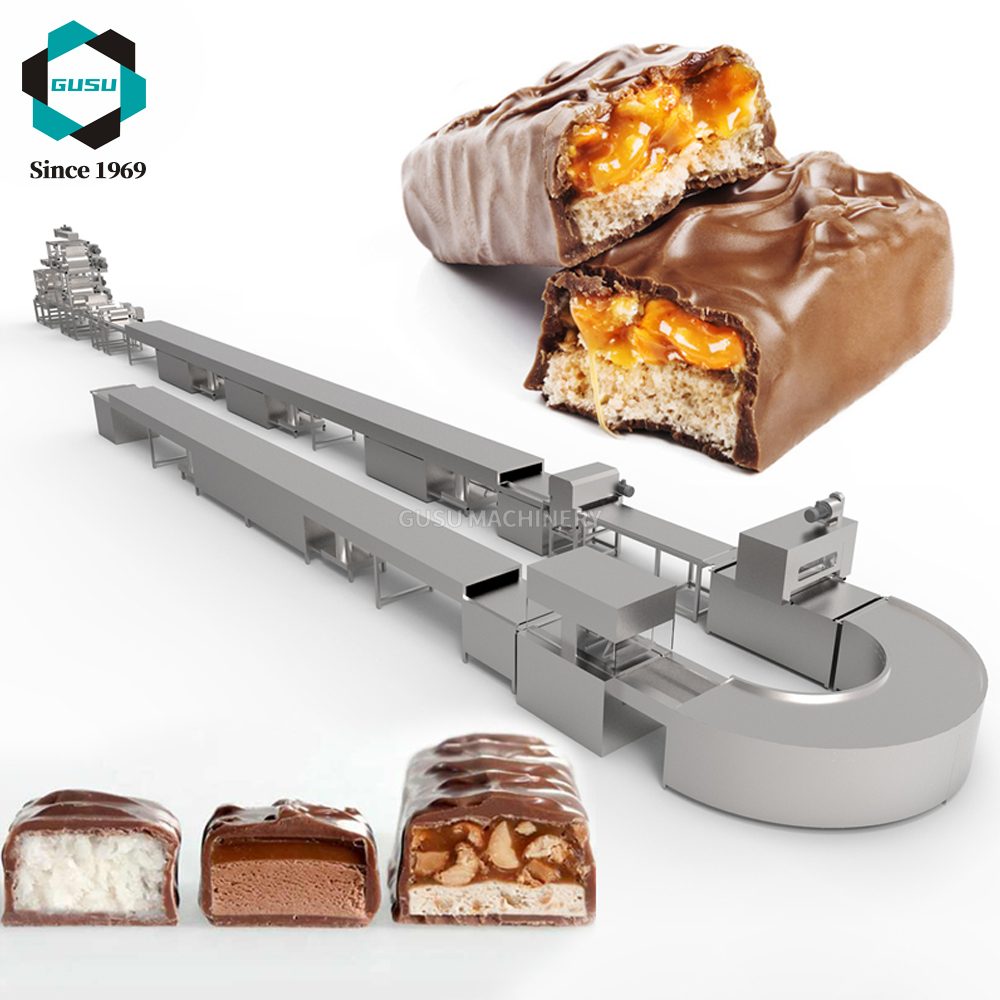
China’s protein bar aisle is no longer a niche corner—it’s becoming a daily snacking destination. Behind that shift is a quiet boom in production line capacity: more manufacturers are installing flexible, high-output lines that can handle everything from chewy date-and-nut bars to chocolate-coated crunch. That’s opening the door to flavors and formats that didn’t exist five years ago. At GUSU, we’re seeing this growth translate into bolder R&D and faster launch cycles. Here’s what the new wave of snacking choices means for brands, retailers, and consumers.
Protein Bars Step Out of the Fitness Aisle
Walking down the snack aisle of a typical corner store, you might now spot a row of protein bars tucked between chocolate and chips. That placement would have seemed odd a decade ago, when these dense, chalky blocks were mostly sold in gyms or health food shops. Today they sit next to candy bars, a quiet sign that they have traded their niche status for everyday shelf space.
The shift is not just about availability. Brands have spent years reworking textures and flavors so a bar no longer tastes like a punishment for missing a workout. You see options like birthday cake, peanut butter pretzel, or salted caramel, with packaging that wouldn't look out of place in a coffee shop. Protein content still matters, but it is no longer the only reason people pick one up. Convenience, taste, and a slightly healthier halo do more of the selling.
That wider appeal has pulled in shoppers who never set foot in a weight room. Office workers grab a bar to avoid the vending machine, parents toss one into a lunchbox, and travelers use it as a non-messy snack. The protein bar has become a passport to a quick, filling bite, leaving its old identity as a bodybuilder's tool behind.
More Shelf Space for High-Protein Snacks
For years, protein bars and powders sat in a dusty corner, half-hidden behind vitamins and meal replacements. The assumption was that only gym regulars and serious athletes cared about hitting their daily numbers. That quietly changed as busy professionals, parents, and even teenagers started scanning labels for anything that could keep them full between meals. Shoppers now wander into the snack aisle expecting to find jerky, roasted chickpeas, and protein cookies sitting next to the potato chips. Grocery chains have noticed, and they are rearranging shelves to make these options impossible to miss.
The shift is less about following a trend and more about responding to how people actually eat. A protein-packed trail mix no longer feels like a specialty item; it sits in lunch boxes, desk drawers, and car cup holders. Retailers have started giving these products prime real estate near checkout lanes and end caps, places once reserved for candy and soda. Even the packaging has changed to match the new placement. Bright, snack-like wrappers with clear protein counts have replaced the clinical, supplement-style boxes of the past. This makes the choice feel less like a diet decision and more like grabbing something enjoyable.
The result is a quiet but noticeable reset of what belongs in the center of a store. Shoppers who never would have stepped into a nutrition shop now pick up high-protein options on impulse, simply because they are right there. For brands, the expanded shelf space means fighting harder to stand out, not with louder claims but with flavors and textures that earn repeat purchases. For stores, it is a bet that the demand is not temporary. The aisle is no longer a lineup of empty calories and quick sugar fixes. It has room for snacks that pull double duty, and that space keeps growing.
Flavors Inspired by Chinese Kitchens
The backbone of Chinese home cooking rarely comes from a single spice jar. It is built in layers: ginger and scallion coaxed in peanut oil until fragrant, a spoonful of fermented bean paste deepened by Shaoxing wine, a final scatter of sesame and fresh cilantro. Black vinegar, light and dark soy sauces, rock sugar, and toasted whole chilies often sit side by side, each adding a specific note rather than shouting over the others.
Regional habits shape those layers in unexpected ways. A Cantonese kitchen might keep things bright with a quick steam and a drizzle of scallion oil, while a Sichuan cook reaches for dried er jing tiao chilies and a pinch of ground Sichuan peppercorn to wake the tongue. Hunan tables lean into fresh chilies and fermented black beans, and Jiangnan cooking favors the quiet sweetness of rice wine and rock sugar against savory braises. The differences are not about heat alone; they are about how salt, sour, sweet, bitter, and numbing sensations are balanced around the meal.
Technique plays as much of a role as the pantry. A well-seasoned wok over a strong flame gives vegetables a faint smokiness that no slow pan can copy, while velveting thinly sliced meat in a little cornstarch and egg white keeps it tender in soups and stir-fries. Braising low and slow turns pork belly or beef shank glossy and spoonable. In each case, the goal is the same: keep the ingredients distinct, but let the sauce or broth carry a clear point of view from the kitchen that made it.
Quick Nutrition for Fast-Paced Days
Busy days have a way of turning lunch into an afterthought, but eating well doesn't demand a Sunday meal-prep marathon. Keep a few reliable staples on hand—pre-washed greens, canned chickpeas, rotisserie chicken, microwaveable brown rice, and eggs. With those, a satisfying bowl comes together in about five minutes: toss greens with chickpeas, shred some chicken on top, add a squeeze of lemon and a drizzle of olive oil, and you're done. No chopping, no complicated recipes, just real food that keeps you moving.
Snacks are where fast-paced days usually fall apart. The vending machine calls when blood sugar dips, but a little planning beats willpower every time. Pair an apple with peanut butter, keep single-serve Greek yogurt in the office fridge, or stash a small bag of almonds and dried cherries in your bag. The protein-fat-fiber combo steadies your energy far better than a granola bar loaded with sugar. Even on the craziest afternoon, those two minutes it takes to grab a real snack save you from the 3 p.m. crash.
Breakfast tends to get skipped, yet it's the easiest meal to automate. Overnight oats take three minutes to assemble the night before—rolled oats, milk or a dairy-free alternative, a spoonful of chia seeds, and frozen berries. By morning, it's ready to eat cold or warm. If smoothies are more your speed, portion spinach, banana, and protein powder into freezer bags on Sunday, then dump one into the blender with liquid and go. Either way, you've front-loaded nutrition without adding a single minute to your morning rush.
Homegrown Labels Shake Up the Market
For years, the shelves spoke one language: the same handful of global names repeated across every aisle. That script is being torn up. Small local labels are no longer waiting for permission—they're claiming shelf space with products that reflect regional tastes, unusual ingredients, and a sense of place no boardroom can fake.
What makes these homegrown brands dangerous to the old guard isn't just novelty. It's speed. A founder can move from a kitchen recipe to a test batch in a week, then tweak flavors based on direct feedback from buyers at weekend markets. That tight feedback loop lets them launch limited drops that sell out in hours, creating a buzz that traditional distribution chains struggle to match.
Retailers have noticed. Once wary of unknown labels, many now reserve prime end-cap space for local producers because they drive foot traffic and give stores a personality. The result is a market where shelf space itself becomes a battleground—and the winners are shoppers who finally see their neighborhoods reflected in what they buy.
What Comes After the Classic Bar?
The familiar rectangle of chocolate, nuts, or nougat has held its ground for decades, but the landscape is shifting. Small-batch makers and pastry chefs are pushing past the standard mold, experimenting with textures that crackle, dissolve, or stretch in unexpected ways. Think aerated slabs that melt into nothing, or layered bars that alternate between a brittle snap and a creamy collapse. These aren't just variations on a theme—they're a quiet rebellion against the expected.
Beyond texture, the next wave leans into savory edges and botanical complexity. A bar might start with toasted barley and miso, then finish with a whisper of yuzu or smoked salt. Others embrace a single-origin approach, letting the inherent fruitiness of a particular cacao bean take center stage without the usual sugar mask. The result is less about candy and more about a deliberate tasting experience, where each bite asks you to slow down and pay attention.
Packaging and ritual matter too. Some producers are shifting away from the grab-and-go wrapper toward reusable tins or compostable sleeves, inviting the bar to be savored over several sittings rather than devoured in a rush. Pair that with limited seasonal releases—think green strawberry in June or black sesame in December—and the classic bar starts to feel less like a snack and more like a small, edible event.
FAQ
A shift toward convenient, high-protein snacks among urban office workers and gym-goers, coupled with more domestic brands entering the category, has pushed manufacturers to scale up output quickly.
Local buyers tend to favor less sweet, more savory profiles and often look for added functional ingredients like collagen or goji berry, rather than the chocolate-and-peanut-butter dominance seen in the West.
Flavors inspired by regional snacks—such as black sesame, red bean, matcha, and even spicy mala—help brands stand out and make the bars feel less like an imported fitness product and more like an everyday treat.
E-commerce and short-video livestreaming are the biggest drivers, especially for niche and startup brands, while convenience stores and gyms also play a growing role in impulse purchases for on-the-go consumers.
It is pushing traditional snack makers to experiment with higher-protein versions of familiar items and blurring the line between functional nutrition and casual snacking, creating a new middle ground for busy consumers.
Sourcing affordable, clean-label protein ingredients, maintaining texture and taste without excessive sugar or additives, and differentiating in an increasingly crowded market are the main hurdles for both new and established players.
Conclusion
Protein bars in China are shedding their gym-rat image and colonizing convenience stores, supermarket snack aisles, and even breakfast counters. Retailers are clearing more shelf space for high-protein options, signaling that these once niche products now appeal to office workers, students, and families looking for better on-the-go fuel. Flavor innovation is a major driver: instead of copying Western chocolate-peanut butter formulas, brands are borrowing from regional Chinese kitchens—think black sesame, red bean, taro, matcha, and even mala spice or soy milk. That local twist makes protein bars feel less like imported sports nutrition and more like a familiar, satisfying snack.
The pace of urban life in China means many consumers want a quick but credible source of protein between meetings or after a late workout. Homegrown labels are shaking up a market once dominated by international giants, using domestic manufacturing, direct-to-consumer channels, and aggressive social commerce to win loyalty. They are also pushing texture and format boundaries: crispy puffed rice bars, soft mochi-like centers, layered wafer bars, and drinkable protein snacks are all appearing. The question now is what comes after the classic bar—likely more hybrid products that blur the lines between candy, meal replacement, and functional food. As competition intensifies, expect even bolder regional flavors and cleaner labels to keep the category growing.
Contact Us
Contact Person: Zhang Wei
Email: [email protected]
Tel/WhatsApp: 8618662577837
Website: https://www.chocomachinery.com