
CPP Film Masterbatch Brand Choices for High-Performance Films
2026-08-20
When every micron of clarity and seal strength counts, the masterbatch you choose can make or break your CPP film's performance. Yet most converters keep cycling through the same generic suppliers, wondering why their films fall short on haze, gloss, or heat-seal consistency. Enter Xinwancai—a brand that has quietly built its name on solving precisely these pain points in high-performance CPP production. Instead of relying on datasheet promises, this post digs into what actually matters when selecting a masterbatch partner, and why Xinwancai deserves a serious look before your next campaign.
Why Resin Compatibility Decides More Than Dispersion
A finely dispersed pigment can still wreck a formulation if the resin system doesn't actually accept it. Dispersion gets the particles small and evenly distributed, but compatibility is what keeps them apart over weeks of storage, through temperature swings, and inside a drying film. When resin and pigment surface treatments clash, you see it as haze, seeding, or a sudden viscosity climb long after the mill base looked perfect.
Compatibility also controls how the pigment sits in the final cured matrix. A resin that wets the pigment well but has poor solubility with the dispersant will slowly squeeze the additive off the particle surface, inviting flocculation and gloss loss. That's why reformulating a pigment at the same dispersion energy often fails if the resin's acid value, hydroxyl content, or solvent tolerance doesn't line up with the pigment's surface chemistry. The real bottleneck isn't grinding finer—it's making sure the pigment and binder stay on the same side of the interface.
Heat History in CPP Cast Lines Exposes Weak Stabilizer Packages
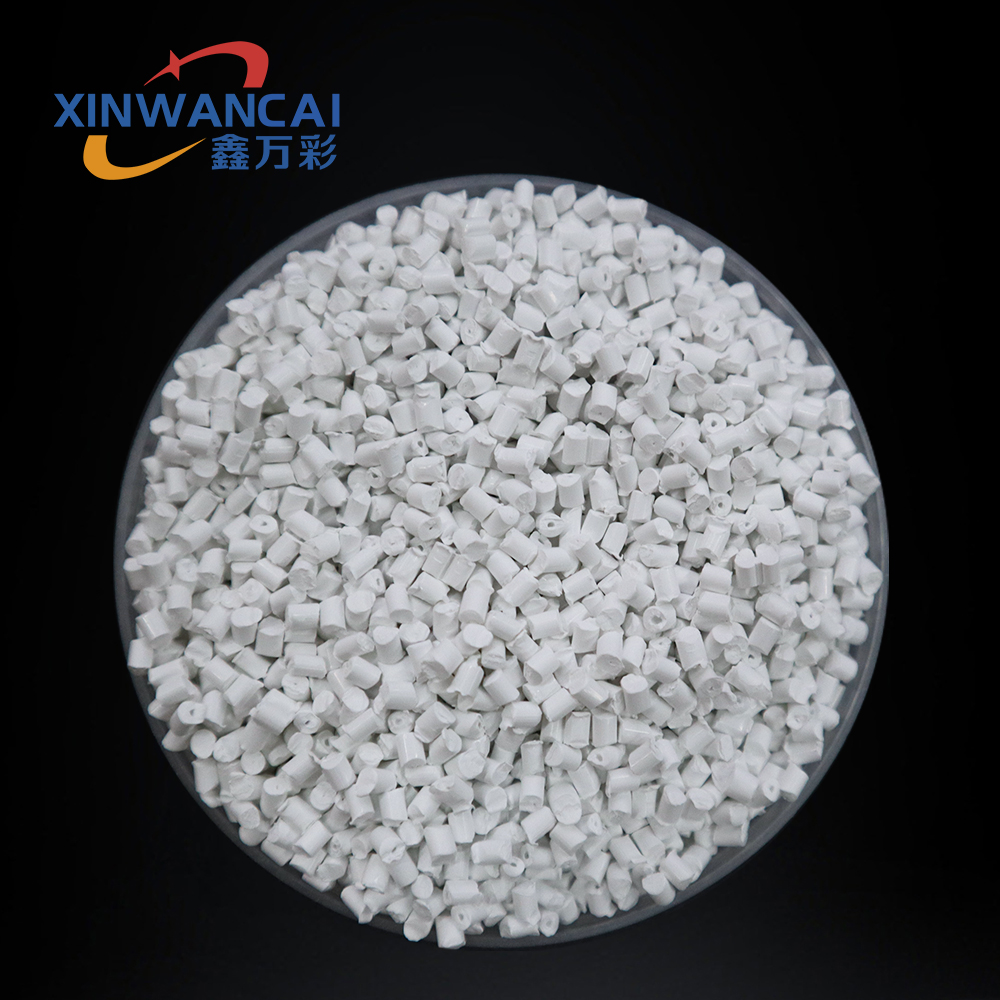
Thermal history in cast polypropylene lines is rarely uniform. Melt that lingers near barrel walls or passes through screen packs picks up extra heat, while edge trim and scrapped film introduce material that has already endured one or more full extrusion cycles. These repeated exposures quietly consume phenolic and phosphite stabilizers, often long before the film shows visible yellowing or gel formation.
The real problem is that most stabilization studies look at a single pass through an extruder. On a CPP line, recycled edge trim can carry a disproportionate load of oxidized polymer and residual catalyst residues. Each pass through the die and chill roll system adds shear heat and residence time, so a stabilizer package that performs adequately in a lab twin-screw trial may fail after three or four regrind loops. Weak packages lose the phosphite first, leaving the phenolic antioxidant unprotected against hydroperoxide attack.
Operators often compensate by raising the antioxidant masterbatch dose, but that masks the underlying mismatch between stabilizer chemistry and actual heat history. A better approach is to map the line's thermal profile and test formulations with realistic regrind ratios. Otherwise, the first sign of trouble appears downstream as brittle film, odor complaints, or die lip build-up that no amount of process tweaking can eliminate.
The Real Cost of Cheap Masterbatch Shows Up in Film Haze
When a converter switches to a cheaper masterbatch, the savings look obvious on the purchase order. But haze rarely announces itself immediately; it accumulates in the film structure as pigment agglomerates and incompatible carrier resins scatter light. What starts as a minor cloudiness gradually turns transparent packaging into a milky barrier that hides the product instead of showcasing it.
The real cost appears in rejected rolls, slower line speeds from filter blockages, and the extra masterbatch needed to hit the same color strength. Film producers often discover that a low-cost concentrate carries a higher let-down ratio or forces them to overcompensate with processing aids, erasing the initial price difference. Meanwhile, downstream customers may return entire batches because the haze exceeds the specification for optical clarity.
Cheap masterbatch can also shorten the life of extrusion equipment. Poorly dispersed pigments and abrasive fillers build up on screens and die lips, creating more frequent shutdowns and maintenance. When you add up the waste, downtime, and lost reputation, the “cheap” option turns out to be one of the most expensive decisions in film production.
Matching Slip and Antiblock Levels to Downstream Converting
Film producers often treat slip and antiblock as standalone specs, but their real impact only shows up on a converting line. A film that runs perfectly on a cast line can jam a high-speed form-fill-seal machine if the coefficient of friction is too high, while an over-dosed antiblock can haze the print side or reduce seal strength. Matching these levels starts with mapping the converter's actual surface speeds, tension settings, and dwell times—not just the resin supplier's generic recommendation.
Different converting methods demand different balances. For example, adhesive lamination tolerates a slightly higher slip because the adhesive layer masks surface roughness, but a surface-printed film for snack packaging needs low haze and moderate slip to avoid blocking on the unwind without dulling the ink. Bag makers running at over 200 cycles per minute usually need a kinetic COF below 0.2, while a hand-wrap film can work with a higher slip but requires enough antiblock to survive long storage under tension.
The practical way to match levels is to run short trials with the converter's actual film path, measuring blocking force and COF at the same temperature and humidity the line sees. Adjust the antiblock type and loading in small steps—shifting from natural silica to synthetic or changing particle size often moves COF more than adding extra slip. Record the results against line speed and reject rate, and update the spec only after three consecutive successful runs.
Brand Consistency Across Batches Without Overpaying
The real challenge isn't just matching a color or label from one run to the next—it's doing that without locking yourself into the most expensive supplier or paying for inspections you don't need. Start by pinning down the specs that actually matter to customers: the exact shade, texture, scent, or fill weight. Once those are written into a purchase order as measurable ranges rather than vague descriptions, you can compare bids from mid-size manufacturers who may not have the biggest marketing budget but can hit the numbers reliably. Keep physical reference samples from the first approved batch, and store them in a cool, dark place so they don't shift over time. That sample, not a glossy brochure, becomes the standard for every future shipment.
Another way to keep consistency affordable is to buy raw materials in coordinated lots. If you're working with a contract manufacturer, ask them to reserve enough base ingredients for your projected six-month volume before they start the first batch. This reduces variation because the same lot of pigment, polymer, or active ingredient feeds multiple production runs. In exchange, you might negotiate a modest volume discount—not a huge upfront payment, just a commitment that helps their planning. The savings come from fewer rejected batches and fewer rush orders, not from cutting corners on testing.
Finally, adjust your quality checks to the risk level. For a product where color drift is obvious, a simple visual comparison under daylight may be enough for most batches, with a full instrumental check only every third or fourth run. For something where a slight difference could affect safety or performance, invest in a small, targeted panel of tests rather than a generic battery. And don't pay for a new certificate of analysis on every minor component—ask for the ones that matter and accept supplier documentation for the rest. This tiered approach keeps your brand recognizable without turning quality control into a luxury line item.
When a Supplier's Lab Data Fails on Your Line Speed
A supplier's lab report can look flawless on paper, but once that material hits your line at full speed, the story often changes. The viscosity might be off by a few centipoise, the cure time a touch slower, or the surface energy lower than what the datasheet promised. These aren't just numbers—they translate directly into skipped parts, jammed feeders, or rework stations piling up faster than your team can clear them.
The real frustration comes when you've already tuned your process around the supplier's spec sheet, only to find that the actual batch behaves differently under your specific shear rates, temperatures, and dwell times. Line speed exposes what bench testing hides: real-world stress, continuous throughput, and the compounding effect of small deviations over thousands of cycles. By mid-shift, what started as a minor discrepancy becomes a rhythm-killer for the entire cell.
Instead of waiting for the next failed batch to prove the point, pull a sample from the line the moment you suspect a mismatch. Run your own quick rheology check or a timed adhesion test at production pace, not lab pace. A supplier's data should be a starting point, not a guarantee—your line is the only lab that truly matters.
FAQ
Look beyond price per kilo. A dependable partner will have pilot cast-film lines to replicate your conditions, tight batch-to-batch melt flow consistency, and technical staff who understand how additive interactions affect chill-roll release, web flatness, and winding tension.
In cast film, carrier resin mismatches can create flow marks or reduce clarity. Choose a masterbatch with a carrier that is fully compatible with your base polypropylene—ideally a high-flow PP copolymer—so the additive distributes evenly during the short residence time typical of CPP extrusion.
Run a filter pressure test or screen pack test on a small extruder. A sharp pressure rise indicates poor dispersion or oversized particles. Also inspect a thin pressed film under polarized light. Top-tier masterbatches show no visible agglomerates and stable pressure for several hours.
Focus on advanced anti-block and slip packages that use narrow particle size distribution silica or synthetic options, plus processing stabilizers designed not to yellow at high temperatures. Some brands offer synergistic packages that keep haze below 1.5% while still preventing blocking after winding.
Yes. Low-cost brands may use base stabilizers that degrade at those temperatures, causing plate-out, die lip build-up, or off-odor. Premium brands formulate with higher-molecular-weight antioxidants and acid scavengers, and they validate performance with long-run thermal aging tests that mimic your barrel residence time.
Usually a lead brand with a wide CPP portfolio is easier for consistency and trouble-shooting. However, for specialized grades—like ultra-low haze or matte finish—a secondary supplier with proven expertise can add flexibility. The key is not to chase small savings, because changeover losses often outweigh the raw material delta.
Before committing, ask for a certificate of analysis for the exact batch, request a 100–200 kg trial, and define success metrics: pressure stability, haze after 24 hours, coefficient of friction after 7 days, and any plate-out at die lips. Then run the trial on the same line and film recipe you intend to use in production.
Ampacet, Avient, Tosaf, and Gabriel-Chemie are commonly referenced by converters for cast film because they maintain dedicated cast-film application labs and offer co-development support. However, the right choice depends on regional availability and your specific clarity or processing targets.
Conclusion
Selecting a CPP film masterbatch brand goes far beyond checking a dispersion rating on a datasheet. The base resin's melt flow and comonomer content dictate how the carrier polymer in the masterbatch interacts with the film matrix; poor resin compatibility can remain hidden in lab tests yet cause microgels and uneven additive distribution at production speeds. On cast lines, the short but intense heat history rapidly exposes weak antioxidant and stabilizer packages, leading to yellowing, melt fracture, or plate-out that only appears after several hours of continuous running. While a low upfront price might look attractive, the downstream cost emerges as increased film haze, reduced clarity, and more frequent screen pack changes—erasing any initial savings.
Beyond optical and processing stability, brand choice must account for downstream converting demands. Slip and antiblock loadings need to be tuned not just to the film's coefficient of friction but to the specific winding, slitting, and pouch-making speeds of the converter; a generic off-the-shelf masterbatch often misses this balance, causing blocking or poor machinability. Consistent supply matters too: a brand that maintains tight control over additive concentration and carrier resin lot-to-lot prevents the drift in COF and haze that converters notice immediately. Finally, be wary of suppliers whose lab data was generated at low line speeds or on small extruders; those results rarely predict performance when your cast line runs at high output, where shear heating and residence time distribution change everything.
Contact Us
Contact Person: JACK
Email: [email protected]
Tel/WhatsApp: 86 18650130917
Website: https://www.xinwancai.com/