
Custom EPDM Granule Production Line Essentials for Consistent Color and Performance
2026-11-18
Color drift and uneven granule performance can quietly undermine even the most carefully planned rubber flooring projects. A custom EPDM granule production line changes that equation, giving manufacturers direct control over pigment dispersion, curing consistency, and output quality. SFC focuses on the details that turn a standard line into a repeatable system for vibrant, dependable EPDM granules. Here is what to look for before you invest.
Raw Compound Bases That Hold Color Under Heat
Most colorants start to drift once the temperature climbs, but a handful of raw compound bases hold their ground because the color is built into the mineral structure rather than applied on top. Iron oxide, chromium oxide, and cobalt aluminate are common examples, yet their real advantage comes from stable crystal lattices that resist oxidation and phase changes at high heat.
Working with these materials is less about chasing brightness and more about matching the base to the firing conditions. A silicate or spinel base can lock in metal ions during the early stages of heating, preventing them from migrating or reacting with fluxes. Finer particle sizes help, but only when the base itself has already been calcined to remove moisture and organic residue that would otherwise cause dulling.
In practice, pre-calcined bases tend to perform better than raw blends because they have already survived one heat cycle. They enter the kiln or extruder with fewer surprises, which means the final color shifts less between batches. Keeping the cooling ramp steady matters just as much as peak temperature, since rapid thermal shock can fracture the surface and expose unprotected colorant to oxygen.
Mixing Sequences for Even Pigment Distribution
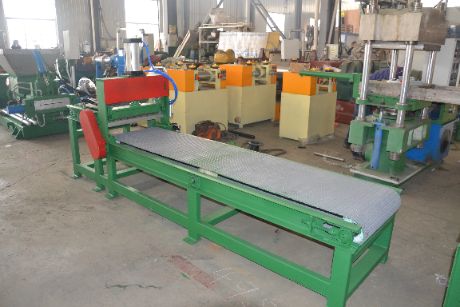
Getting an even distribution starts well before the pigment hits the full batch. A small portion of the binder or solvent is usually combined with the pigment first to create a thick, lump-free concentrate. Working this paste in stages lets the liquid gradually penetrate the pigment surface, and only after the concentrate is smooth is the remaining base added under slower agitation.
The order of additions also matters more than total mixing time. If dispersing aids or wetting agents are poured in after the pigment has already clumped, they cannot undo the dry aggregates efficiently. Adding them to the liquid phase first gives them a chance to lower surface tension before the pigment arrives. When multiple pigments are involved, running each one through a short pre-mix cycle separately prevents the finer particles from being masked by coarser ones.
Shear should be introduced only once the pigment is fully wetted. A brief low-speed blend after the last powder addition helps pull settled material away from the vessel walls, followed by a high-shear stage that is held just long enough to break down agglomerates without overheating the batch. Returning to low speed for the final letdown keeps air entrapment low and locks in a uniform tone.
Line Speeds That Keep Surface Finish Intact
The right line speed does more than control cycle time; it changes how the cutting edge parts ways with the material. Run too slow and the chip can stick and tear, leaving a ragged, smeared surface even if the tool still looks usable. Push into a higher band and the material flows more cleanly, but only up to the point where heat starts to soften the edge and wreck the finish from the opposite direction.
A practical way to find that window is to ignore the default charts for a few parts and listen to what the cut is doing. Look for a consistent chip color, steady sound, and no buildup on the insert after a short pass. Small step changes in speed often reveal a clear range where the surface goes from cloudy to bright, and then back to dull as the tool starts to degrade.
Constant surface speed control helps on profiles where the diameter changes, but it is not a set-and-forget fix. Tight corners, thin walls, or interrupted cuts can still need a deliberate drop in speed to avoid vibration patterns that read as poor finish. Matching the speed to the weakest point of the job, not the straightest cut, usually keeps the surface consistent from one feature to the next.
Temperature Zones Matched to Batch Size
Getting the heat right in a commercial roaster comes down to how much green coffee you are actually working with at any given moment. A smaller batch will respond faster because the drum surface area and airflow have an easier time reaching the center of the pile. When you move up to a larger load, the same burner settings that worked before may not deliver enough energy to keep the bean temperature climbing at the pace you intend. That gap between what the probe reads and what is happening inside the mass becomes more pronounced, so adjusting your charge temperature and gas early becomes less about preference and more about physics.
One practical way to handle this is to think in zones rather than single set points. For a batch that sits near the lower end of the roaster's capacity, a slightly lower charge temperature and a gentler initial gas input can prevent the outside of the beans from scorching before the interior catches up. For a full batch, you often need a higher charge temperature and a more aggressive start, then a clear reduction once the turning point arrives. These zones are not fixed rules; they shift with bean density, moisture, and drum speed. But paying attention to how batch size changes the thermal load lets you build a repeatable profile instead of chasing the same curve with different amounts of coffee and wondering why the results drift.
The goal is not to find one perfect temperature for every batch size, but to recognize that the roaster's response is a moving target. Keep notes on what happens during the first three to four minutes, because that is where the mismatch between batch size and applied heat shows up most clearly. If the rate of rise stalls too early, your heat input is too low for that load. If it spikes and then crashes, you pushed too hard too soon. Matching temperature zones to batch size is really about matching the energy delivery to the amount of coffee in front of you, so the roast develops evenly without forcing the machine beyond what the batch can absorb.
Cooling Steps That Avoid Sticky Residue
A hot sugar mixture turns gummy when it cools too slowly or sits against trapped steam. Spread it on a silicone baking mat, not wax paper, and leave it uncovered until the surface feels dry to the touch. That brief exposure lets excess moisture escape before it settles into a tacky film.
For candies that tend to cling, a thin coating of neutral oil on the cooling surface does more than nonstick spray. It creates a barrier that peels away cleanly without soaking into the candy. If the piece still feels damp after ten minutes, slide it onto a fresh dry surface and let air move around it.
When working with glazed breads or sticky buns, skip the plastic wrap too early. Give them room on a wire rack and only cover once the glaze has set. A light dusting of cornstarch or confectioners' sugar while the top is still slightly warm can also stop the residue from forming without masking flavor.
Inline Sampling for Early Shade Drift
Inline sampling for early shade drift targets the moment when lighting estimates begin to wander before a final resolve. Instead of treating that drift as noise to clean up later, the sampler folds a lightweight correction directly into the same pass where the shading samples are generated. This keeps the offset small and local, so the renderer does not accumulate a visible bias that has to be unwound by a separate denoiser or temporal filter.
The main benefit shows up in sequences with fast camera motion or changing emissive sources. Because the shading point is re-evaluated with a compact neighborhood and adjusted in place, the drift stays tied to the actual sample distribution rather than being smeared across frames. A practical implementation often reuses the same ray payload and only recomputes the terms most sensitive to shading variation, which keeps the added cost low enough to run before any full reconstruction step.
Tuning matters more than the mathematical idea. A small search radius and a tightly clamped blend weight preserve sharp contact shadows and prevent the correction from flattening subtle occlusion. Once those constraints are set, the inline pass tends to remove the low-frequency wobble that would otherwise read as crawling shadows or unstable indirect light.
FAQ
Most drift comes from uneven dispersion and heat history, not the pigment itself. If the mixer doesn't shear the batch the same way every time, pigment agglomerates survive and the cured granule ends up lighter or blotchy. Small changes in curing temperature also shift the base polymer's tone, so the same formula can look different from one run to the next.
Focus on repeatable dosing and mixing before anything else. Gravimetric feeders for the pigment and polymer, a mixer with tight temperature control, and short transfer distances between mixing and extrusion keep the batch consistent. After that, consistent pelletizing speed matters more than people expect because irregular cut size changes how light hits the granules.
Tensile strength, elongation, and abrasion resistance are the ones that shift first. If the line doesn't control shear and curing uniformly, the polymer network develops unevenly. That shows up as soft spots, poor rebound, or granules that break down faster under foot traffic.
You need dedicated or easily purged pathways, not just a quick wipe-down. Removable chutes, smooth interior surfaces, and a purge compound matched to the polymer help. Scheduling lighter colors before darker ones reduces visible contamination, but a validated cleaning protocol is what actually keeps a red batch from turning orange.
An integrated line gives you fewer interface problems and a single control system, but it can lock you into one supplier. Assembling separate machines works if you have the engineering support to manage the transfer points. The real issue is where material can sit and cool between steps, because that creates color and cure variation.
Inline temperature and pressure sensors at the extruder, automatic cut-size sampling, and a colorimeter reading right after cooling catch problems before a full batch is packed. Lab tests are still needed for mechanical properties, but they shouldn't be the first place you find out about a drift.
Cooling sets the granule's shape and locks in the surface finish. Forced-air cooling tends to keep the surface more matte and hides minor color differences, while water cooling gives a cleaner cut but can leave moisture that affects later bonding. The wrong cooling rate can also create internal stress that makes granules split along edges.
Conclusion
A dependable custom EPDM granule line starts with compound bases selected not just for mechanical properties but for their behavior under sustained heat. If the base cannot hold pigment stability through the curing window, even a well-tuned mixer will drift toward dull or uneven tones. We keep the mixing sequence short but staged: dry blending the pigment with a portion of the base first, then folding in the remaining polymer and additives. That avoids pockets of concentrated color that later show up as streaks. Line speed is treated as a finishing variable rather than just an output target, since running too fast can tear the granule surface and flatten the profile.
Temperature zones are set around the actual batch size, not a generic recipe, because a larger batch holds heat differently and can push the stock past the point where color stays intact. After forming, the cooling path matters as much as the mixing stage. A gradual drop with enough airflow prevents sticky residue from forming on the granule surface, which would otherwise trap dust and cause shading issues later. Inline sampling closes the loop: small draws during the run catch early shade drift before a full batch drifts too far. Together these details keep color and surface finish consistent without constant rework.
Contact Us
Contact Person: Chen Zhengwei
Email: [email protected]
Tel/WhatsApp: +86-13963975727
Website: https://www.sfcrubbermachine.com