Custom Shaving Gel Manufacturer for Premium Private Label Products
2026-08-27
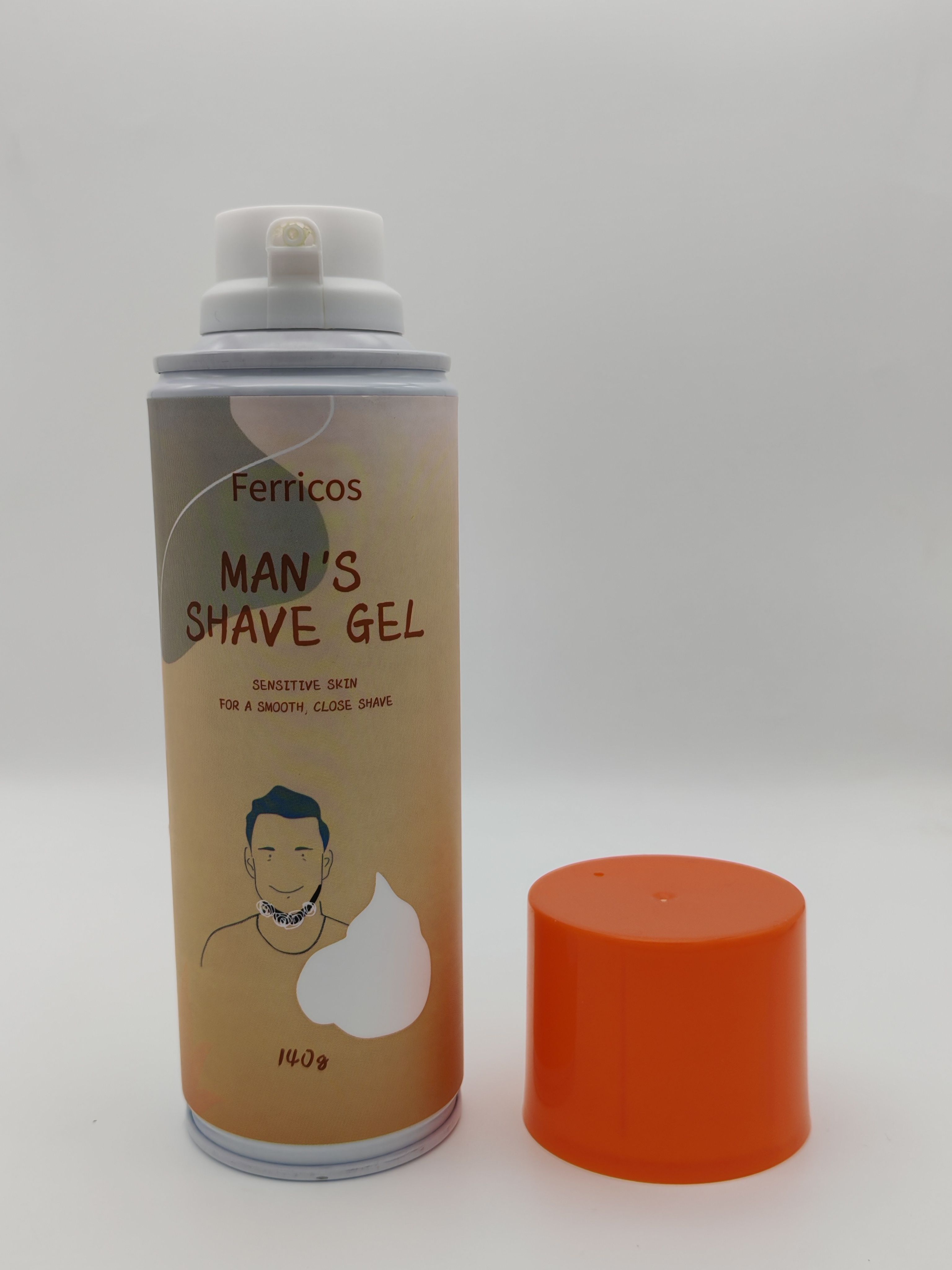
Every premium shave begins long before the blade touches skin. It starts with a gel that glides, cushions, and carries a scent your customers will remember. For private label brands, that gel is where loyalty is won or lost—so why settle for a stock formula? At Wilson, we craft custom shaving gels that turn your vision into a tactile experience, engineered for performance and branded unmistakably as yours. Because in a market crowded with off-the-shelf sameness, the brands that rise aren't the ones who blend in—they're the ones who lather first.
Custom Shaving Gel Formulas That Don't Start From a Template
Most shaving gels on the shelf begin life as a spreadsheet: swap a fragrance, tweak a viscosity number, maybe add a new humectant, but the skeleton stays identical. Truly custom work throws that aside. It starts with a conversation about how your skin actually behaves at 6 a.m.—razor tug on the neck, redness under the jaw, that tight feeling after rinsing. From there, a formulator might pair a non-foaming surfactant like decyl glucoside with oat beta-glucan and a touch of panthenol, not because those ingredients look good on a label but because they address a specific friction pattern no off-the-rack base ever accounted for.
The difference shows up in texture and lather, too. A template gel tends to have that uniform, airy foam that collapses fast. A bespoke batch can be deliberately thin and slick, almost serum-like, if your razor needs glide more than cushion. Or it can carry a dense, low-foam structure built on xanthan and hydroxyethylcellulose if you shave in long passes. There is no “standard” viscosity or pH because there is no standard beard or tap water. Hard water changes how surfactants behave; a formula made without that in mind will always underperform in certain postcodes.
What really separates no-template work is how the product ages and how it feels on broken skin. Mass-produced gels lean on preservatives and stabilizers that work across every climate and bottle type. A custom formula can choose a gentler preservation strategy—maybe a combination of pentylene glycol and ethylhexylglycerin—because it is made in small batches and used within months, not warehoused for two years. And because it is built around your skin’s reaction history, it can leave out the menthol, the dyes, the high-foaming sulfates that most people tolerate but some can’t. The result isn’t a product line; it’s a single jar or tube you actually reach for before the mirror.
Premium Ingredients Without the Inflated Minimums
Sourcing high-end raw materials usually comes with a quiet ultimatum: buy in massive quantities or lose access to the grade you want. That model works for big manufacturers, but for small-batch producers, test kitchens, and indie brands, it creates waste and ties up cash. We decided to break that pattern. You can order premium botanicals, specialty flours, or concentrated extracts in the exact amounts your formula calls for—whether that’s a single trial kilo or a modest production run.
The ingredients themselves are never compromised. They come from the same growers who supply top-tier food and beverage companies, and they meet the same specs for purity, potency, and sensory quality. What we’ve stripped away is the artificial minimum: no hidden tier pricing, no “contact us for a quote” wall when you only need twenty pounds. That means you can experiment with a rare single-origin cacao or a cold-pressed seed oil without committing to a pallet you’ll never use. It’s a simpler way to keep your production lean while still using ingredients that make your product stand out.
Your Brand's Signature Lather, Scent, and Slip
The lather starts dense and cushiony, more like whipped cream than the thin, bubbly foam you get from harsh cleansers. It spreads easily across wet hair or skin, pulling dirt and build-up into the suds without stripping the surface it's meant to protect. You don't need a huge scoop to work it through, and it rinses away clean rather than leaving that tight, squeaky feeling.
Scent is where it gets personal. This isn't a one-note floral that disappears in the steam. It opens with a bright, almost green citrus edge, then settles into a soft white floral with a dry, warm undertone that lingers on the hair long after the shower. It's present without being perfumey, so it won't fight whatever you layer on top.
Slip is the quiet part nobody thinks to ask about until it's missing. Run your fingers through wet hair after conditioning and they should glide without catching, but there's a difference between that and the greasy, coated feeling some products leave behind. This formula gives you that slick, detangling ease while still letting hair feel like hair, not a silicone film.
Private Label Packaging That Looks Like a Standalone Brand
Most private label packaging falls into the trap of mimicking a category leader, which instantly signals “generic” to shoppers. To look like a standalone brand, you need a visual identity that stands on its own: a custom wordmark rather than a system font, a color palette that isn't borrowed from the aisle's top seller, and a layout that treats the brand name as the hero instead of the retailer's logo.
The materials and finishing details also play a bigger role than many realize. A matte soft-touch laminate, embossed typography, or a die-cut window placed with intent can make the package feel proprietary. Add a short brand story or a distinctive pattern on the inside flap—something that only your line would do—and consumers will stop associating the product with the store shelf and start seeing it as a brand they discovered on its own.
Manufacturing Timeline You Can Set a Watch To
Every production run gets a dated checkpoint list before the first material is pulled. Tooling approval, first article, in-process inspection, final audit—each has a day and often an hour attached. The schedule isn't a range; it's a sequence that the floor supervisor and the customer see in the same format. If one checkpoint moves by more than half a shift, the next two are recalculated immediately, not at the weekly meeting.
That precision shows up in how lead times are quoted. Instead of "four to six weeks," you'll hear a specific ship date based on current capacity and actual queue times. Once the order is placed, milestone updates arrive without you having to chase them. The same date you wrote down at kickoff is the date the pallet leaves the dock—because the timeline was built from measured cycle times, not optimistic guesswork.
Regulatory Compliance Handled Before It Becomes Your Problem
Compliance rarely announces itself with a warning label. It surfaces in the middle of an audit, a vendor contract renewal, or a sudden shift in industry rules — often when you have the least time to react. We track those shifts early, translate dense regulatory language into plain operational steps, and build them into your workflows before they ever become a fire drill.
The goal isn't just to avoid fines; it's to keep your team moving without the constant shadow of "what are we missing?" hanging over every decision. From data privacy requirements to sector-specific reporting mandates, we map each obligation to a clear owner, a realistic deadline, and a verification step — so compliance becomes part of the rhythm, not a disruption.
You won't need to schedule a quarterly panic session or hire a dedicated internal watchdog for every new rule. Instead, you get a steady stream of small, manageable adjustments that keep you aligned with current expectations. That way, when a regulator or partner asks a question, you already have the answer — and the documentation to back it up.
FAQ
We formulate with high-end ingredients like aloe vera, vitamin E, and botanical extracts, and we refuse to cut corners on texture or scent. Each batch is tested for cushion, glide, and post-shave feel so your label sits alongside boutique grooming brands without apology.
Yes. Send us a sample or describe the profile, and our in-house chemists will work through iterations until the scent throw, cooling level, and lather density match what you are after. We can also build a custom scent from scratch if you want something no one else carries.
For a fully custom formula, we usually start at 1,000 units per SKU. If you need a lower entry point, we offer stock formulas with custom labeling starting around 500 units, so you can test the market without overcommitting.
We do. Our vegan base skips animal-derived stearic acid and uses plant-based emollients instead. It still produces a dense, stable lather, and we can add organic certifications for ingredients if your brand requires that documentation.
We handle everything from tube and bottle sourcing to filling, sealing, and labeling. You can provide print-ready artwork, or our design team can create a label that fits your brand voice. We also support foil stamping, matte finishes, and recyclable tube options.
Absolutely. We have pre-tested low-irritation bases free of sulfates, parabens, and synthetic dyes. We can add calming ingredients like chamomile, allantoin, or oat extract, and run patch tests to back up any sensitive-skin claims you want on the label.
Our facility is GMP-certified and follows ISO 22716 guidelines for cosmetic manufacturing. We can also support cruelty-free and vegan claims with proper documentation, and we are used to completing brand-specific audits before production starts.
Typically, formula development takes two to four weeks, then packaging and fill take another four to six weeks after approval. If you are using an existing formula with custom labeling, we can often ship in three to four weeks. Rush options are available for an additional fee.
Conclusion
Building a shaving gel line under your own name often forces a trade-off: accept a stock base with your label slapped on, or commit to order volumes that eat your working capital. This manufacturer takes a different route. Every formula starts with the specific lather structure, cushion, slip, and post-shave skin response you describe—not by tweaking a template that three other brands already use. That means the scent profile, the way the gel builds into a rich foam, and the final rinse-off feel can become yours alone. Ingredients are chosen from high-caliber emollients, humectants, and plant-derived lubricants, yet the minimum order quantities stay deliberately lean. You aren't financing someone else's production calendar just to get a premium ingredient deck.
The same restraint shows up in packaging. Instead of generic tubes with a cramped label area, you get structural options, custom closures, and finishing details that make the product feel like it belongs in a specialty retailer rather than a clearance bin. Production timelines are set against identifiable dates, not fuzzy windows, so your inventory arrives when you actually need it. Compliance work—stability panels, INCI naming, regional documentation—is handled before it lands on your plate, which removes the usual last-minute scramble. The overall effect is quieter than the typical private label pitch: no inflated promises, just a manufacturer that respects your brand enough to let the formula and the packaging carry the story.
Contact Us
Contact Person: Simon
Email: [email protected]
Tel/WhatsApp: +86 13267966849
Website: https://www.wilsoncosmetic.com