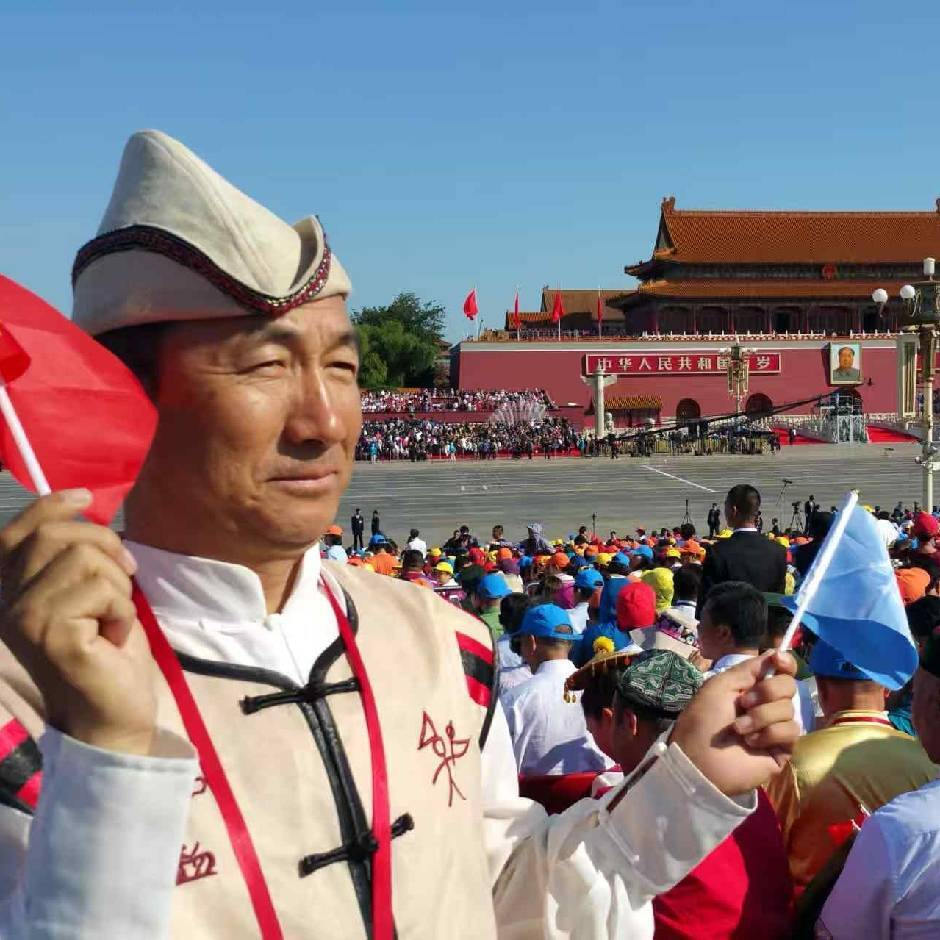
Dongba Culture in Lijiang: Exploring Ancient Traditions Near Jade Dragon Snow Mountain
2026-08-09
Just east of Jade Dragon Snow Mountain’s soaring peaks lies a living thread to an ancient world—the Dongba culture of Lijiang. Its pictographs and shamanic rituals have survived for centuries, yet few travelers know where to encounter them authentically. At Jade Water Village, that mystery unfolds in a landscape of sacred springs and stone-paved lanes, where Naxi priests still chant age-old scriptures. This isn’t a museum reenactment; it’s a breathing community that invites you to witness Dongba traditions as they’re practiced today. In the following guide, we’ll walk you through the heart of this culture, from the symbols carved in wood to the stories whispered by the wind.
Where Symbols Speak: The Dongba Script Unravels Ancient Wisdom
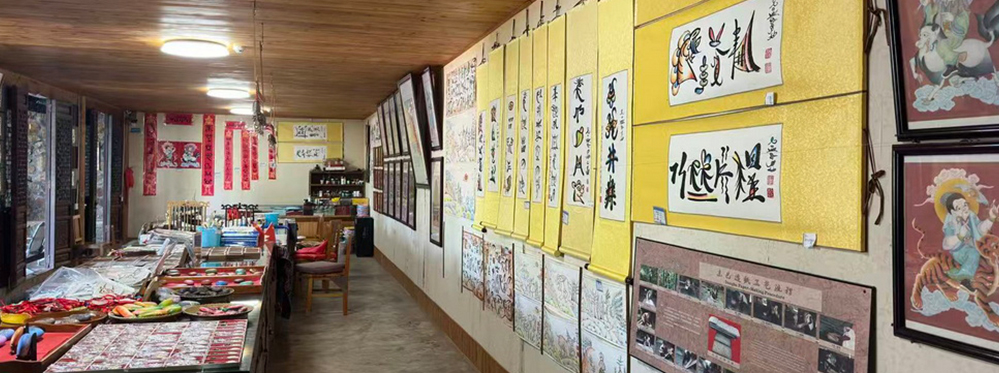
To the untrained eye, a Dongba manuscript might look like a gallery of miniature drawings—animals, plants, and swirling patterns pressed into handmade paper. But every stroke is a living word. The Naxi people of southwest China have used this pictographic script for centuries to record ritual chants, myths, and even practical knowledge. What makes it exceptional isn’t just its age, but the way it functions: a script that refuses to settle into pure abstraction, keeping its imagery raw and immediate, so that meaning jumps directly from symbol to mind.
Dongba texts are inseparable from the priests who wrote them. A single glyph can carry layers of phonetic and visual cues, and reading often requires a near-performative act—reciting the full story behind a character, not just decoding it. This living link between image and sound has preserved ancient wisdom in a fragile chain of oral teaching and handwritten pages, making every surviving manuscript a whispered conversation with the past.
Today, as digital tools map and catalogue the script, something unexpected is happening: the symbols are finding new life outside ceremonies. Designers borrow their forms for contemporary art, linguists study their unique evolution, and younger generations who never grew up with the rituals are reconnecting through the sheer visual pull of the glyphs. The Dongba script proves that ancient writing isn’t just about storing data—it’s about keeping a worldview alive, one carefully drawn shape at a time.
Jade Dragon’s Shadow: How the Sacred Mountain Shapes Dongba Rituals
The Jade Dragon Snow Mountain looms over the Naxi people like a silent guardian, its peaks etched into every Dongba ritual. When shamans chant, they invoke the mountain’s spirit—not as a distant deity, but as an intimate force woven into their daily existence. The shadows cast by those glaciers don’t just darken the valleys; they shape the rhythm of ceremonies, dictating when and how offerings are made, and even the direction a ritual must face.
Inside a Dongba ritual, you’ll see it immediately: the mountain’s image drawn on sacred scrolls, its silhouette mimicked in the dancers’ steps, and its name whispered during purifications. The mountain isn’t just a backdrop; it’s the axis mundi, the center that holds the Naxi cosmos together. Its presence marks the boundary between the human world and the realm of spirits, and crossing that boundary requires the mountain’s tacit permission—a permission sought through intricate rites that echo the landscape’s own contours.
What outsiders might miss is how the mountain’s physicality bleeds into the intangible. The cold glacial meltwater used in baptisms, the specific stones collected from its slopes for altars, even the timing of festivals tied to snowmelt—all carve the mountain’s shadow deep into Dongba practice. It’s not symbolic; it’s literal. Without the Jade Dragon, the rituals lose their anchor, their memory of a time when the first Dongba priest learned sacred secrets from the mountain’s echo.
Nature’s Divine Messengers: Trees, Rivers, and the Dongba Cosmos
In the Dongba tradition, the natural world is not a passive backdrop but a living dialogue. Trees stand as silent elders, their roots threading through the underworld and branches touching the sky, believed to carry messages between the human realm and the spirits. Rivers are seen as flowing scripts, their currents etching sacred knowledge into the landscape—each bend and ripple a syllable in an ongoing incantation that only the trained Dongba priests can fully interpret. Together, they form a cosmological web where every oak, every stream, becomes a divine messenger, humming with stories older than memory.
This intimate relationship reshapes how one walks through the mountains of Yunnan. A gnarled pine on a ridge isn't merely timber; it might be the physical form of a clan’s protective spirit, its resinous scent a form of blessing. When a Dongba ritual calls upon the river, it isn't just for water, but for its voice—the gurgling testimony that binds oaths and cleanses misfortunes. The landscape becomes a manuscript, and the Dongba script, often carved on wood or stone, mirrors the patterns of these natural elements, as if the trees themselves taught the strokes to the first scribes.
What emerges is a cosmos without hard borders. The Dongba universe is layered, but trees and rivers are the portals, not locked gates. A ritual to appease a mountain god might involve a dance that mimics a river’s winding path, while a sick person’s recovery is sought by hanging inscribed placards on branches, letting the wind carry their prayers. It’s a world where the divine doesn’t simply descend from distant heavens; it whispers through the rustle of leaves and the murmur of water, constantly reminding the community that they are participants in a vast, breathing family—neither masters nor owners, but children of an animate earth.
Echoes of the Past: The Music and Dance That Keep Spirits Alive
In the dim glow of firelight, the thrum of a hand-carved drum awakens something older than memory. Feet stamp the earth in rhythms that have not changed for centuries, and voices rise in harmonies that seem to carry the weight of ancestors. Here, music and dance are not performance; they are conversation with the unseen, a living bridge between the living and those who came before.
Each gesture tells a story—the swirl of a skirt miming a whirlwind, the tilt of a head echoing a bird’s call. These movements survive because they hold the essence of a people’s identity, passed down not through textbooks but through calloused hands guiding young ones, through lullabies hummed in the dark. In a world rushing forward, these traditions are stubborn threads, refusing to be snipped by time.
The spirits do not speak, but they listen. And when the dancers move in exacting unison, when the song swells to a pitch that prickles the skin, one can almost feel the presence of those long gone—nodding, perhaps, in approval. It is a fleeting, wordless transaction: the past steering the present, keeping a culture’s soul breathing amid the noise of modernity.
A Culture in Everyday Threads: Dongba Influence on Naxi Life
Walking through the old town of Lijiang, it’s easy to spot the traces of Dongba culture woven into the fabric of everyday life. It’s not just in the museums or tourist shops—it’s in the indigo-dyed aprons worn by older women at the market, the pictographic talismans tucked into door frames, and the soft rhythm of a chant overheard from a courtyard. These aren’t relics preserved under glass; they’re living expressions that still shape how people cook, dress, and celebrate, often without even thinking about it.
For many Naxi families, Dongba isn’t a separate “religion” they practice on special days—it’s a quiet companion in the rituals of the household. A birth brings out the ancient script on a protective charm. A wedding might include a blessing whispered by an elder who traces symbols in the air with a cypress branch. Even meals carry echoes of Dongba cosmology, where the balance of hot and cold foods is linked to harmony between humans and nature. It’s a perspective that turns the ordinary into something layered with meaning.
What’s remarkable is how this influence persists in the face of modernity. Young people in Lijiang might not all learn the pictographs in school, but they grow up hearing stories of creation and flood from grandparents, stories that shape their sense of place. You’ll see teenagers wearing bracelets with Dongba symbols next to their smartphones, and taxi drivers who hang small embroidered charms from their rearview mirrors. This isn’t a culture that demands attention—it’s simply there, stitched into the everyday, as natural as the mountains that frame the skyline.
Bridging Millennia: The New Generation Keeping Dongba Culture Alive
In the shadow of the Jade Dragon Snow Mountain, a quiet revival is unfolding. Young Naxi people, once drifting away from their ancestral traditions, are now returning to the ancient Dongba scripts and rituals. They gather in modest village halls after school or work, tracing pictographs that their grandparents feared would be forgotten. It’s not just about preserving a linguistic relic; for them, these symbols hold a way of seeing the world—where every mountain, river, and breeze has a spirit worth honoring.
What sets this generation apart is their willingness to weave Dongba into the fabric of modern life. Some have launched social media accounts that turn complex glyphs into playful daily lessons, garnering thousands of followers. Others blend Dongba chanting with electronic music, creating tracks that resonate in both Lijiang’s old town cafes and urban clubs. One group even developed a mobile app that uses augmented reality to animate the ancient manuscripts, making the dances of gods and demons leap from the page. These efforts are not gimmicks; they are a deliberate bridge between the sacred and the everyday.
The elders watch with a mixture of skepticism and hope. They remember decades when Dongba was nearly erased, first by political movements and then by the rush toward modernity. But the young carriers of this flame aren’t mimicking the past—they are reshaping it. Through art, technology, and sheer stubbornness, they are proving that a tradition spanning millennia can still speak to a world in a hurry. And in doing so, they remind us that culture doesn’t survive by being frozen in time; it breathes through the hands of those willing to carry it forward.
FAQ
Dongba culture is the ancient spiritual and intellectual tradition of the Naxi people, rooted in the belief that all things in nature possess a soul. It's special because it's one of the few living pictographic writing systems in the world, deeply woven into the daily life around Lijiang, with rituals, dances, and scriptures that have survived over a thousand years right at the foot of Jade Dragon Snow Mountain.
You don't have to go far—places like Baisha Village and Shuhe Old Town are brimming with it. At Baisha, you can watch Dongba priests perform ceremonies in centuries-old temples, and the nearby Yushui Village often holds demonstrations with stunning mountain views as the backdrop.
They're manuscripts written in a unique pictographic script—the only one still used by a living culture. The symbols look like tiny drawings of animals, people, and nature, and they record myths, medical knowledge, and even agricultural tips. Seeing them up close feels like stepping into a living library of ancient wisdom.
Absolutely. Many local cultural centers offer hands-on workshops where you can learn to write a few pictographs, make traditional paper, or join a simple blessing ceremony. The priests are often happy to share stories, especially if you show genuine curiosity. Just remember to be respectful—these aren't just performances, they're sacred acts.
It's a mix of grassroots passion and careful support. Naxi families still pass down songs and stories, and there are schools in Lijiang dedicated to teaching the script. Meanwhile, local museums and institutes work with remaining Dongba masters to document practices and train a new generation. Tourism, when done thoughtfully, also helps fund preservation.
The mountain is considered a sacred guardian, home to the nature god Sanduo. Many Dongba rituals honor the mountain's spirit, and locals believe it protects the land. You'll often see offerings and prayer flags along its trails, blending devotion with the breathtaking landscape.
Conclusion
Beneath the watchful gaze of Jade Dragon Snow Mountain, Lijiang's Dongba culture thrives as a living tapestry woven from ancient symbols, sacred landscapes, and daily rituals. The Dongba script, a rare pictographic writing system still in use, serves not merely as a means of communication but as a vessel for ancestral wisdom, encoding myths, healing practices, and cosmic laws. Shadows of the mountain shape ceremonial life, with rituals timed to alpine seasons and prayers offered to nature deities believed to inhabit the peaks. In Dongba cosmology, the natural world is a divine messenger: ancient trees serve as axis mundi, rivers as pathways for spirits, and wind as whispers from the heavens. These beliefs infuse every dance step and melodic line in the traditional music that has echoed through Naxi villages for centuries, its rhythms mirroring the cadence of mountain streams and its chants calling forth blessings from celestial realms.
Far from being frozen in time, Dongba culture breathes through the fabric of everyday Naxi life—from architectural motifs that ward off malevolent forces to embroidery patterns stitched with protective symbols. Younger generations, initially drawn to modern distractions, are rediscovering their heritage through immersive workshops, digital archives, and intercultural dialogue. Masters and apprentices now bridge millennia by adapting ritual chants into contemporary art forms and hosting sunrise ceremonies that invite travelers to witness first light striking sacred peaks. This cultural revival isn't about museum preservation but about a dynamic, lived philosophy where nature, language, and spirituality converge—offering the world a profound reminder that ancient wisdom can illuminate modern paths with timeless grace.
Contact Us
Contact Person: Changhong He
Email: [email protected]
Tel/WhatsApp: 086-0888-5190152
Website: https://vip.e-baixing.com/ysh