
Ethanoldiisopropanolamine Supplier Guide for Reliable Sourcing
2026-08-16
Sourcing ethanol diisopropanolamine can feel like navigating a maze of vague specifications and unverified suppliers. Yet the right choice directly impacts your production stability, cost efficiency, and end-product quality. In this guide, we cut through the noise to show exactly what reliable sourcing looks like — from purity benchmarks and supply chain transparency to responsive technical support. Along the way, you'll discover why HAISEN has become a trusted name among buyers who refuse to compromise on consistency.
Ethanoldiisopropanolamine Supplier Audits: What to Inspect on Site
Start by walking the production floor rather than flipping through binders in the meeting room. Check the amine reactor area for signs of chronic leakage: sticky residue on pump bases, corrosion around flange bolts, or a persistent ammonia-like smell near the vacuum system. Ask to see the calibration tags on temperature probes and pressure transmitters, and note whether the date stickers are legible or faded. Pay attention to the unloading lines for raw materials like ethylene oxide or isopropanolamine. Dedicated hoses and clear labeling reduce the risk of cross-contamination, so trace one line from the tank farm to the reactor and see if the connections match the P&ID drawings.
In the QC lab, do not settle for a folder of past certificates. Request a live demonstration where the lab technician prepares a known concentration sample and runs it through their gas chromatograph while you watch. Look at the actual chromatograms from the last three months and compare the impurity profile for diethanolamine and triethanolamine byproducts against what the batch COA claims. Check whether reference standards are within their expiry dates and whether the GC column has a logged conditioning routine. If the lab hesitates to open their raw data files or cannot explain a baseline drift, that is a stronger signal than any audit checklist item.
Storage and packaging often reveal more than the reactor itself. Inspect the finished product tanks for nitrogen blanketing and see if the desiccant in the breather vents has turned pink from moisture saturation. Walk through the drumming area and look for spill containment pallets that are actually clean, not just present. Ask about the internal lining of steel drums or IBCs; amines can pick up iron over time, which leads to off-color product. Finally, locate the quarantine area for rejected batches. If the labels are hand-scrawled or the area looks like it is also used for empty pallets, push for a clear segregation log and a documented disposition path.
Purity Claims vs. Real Test Results: Closing the Gap
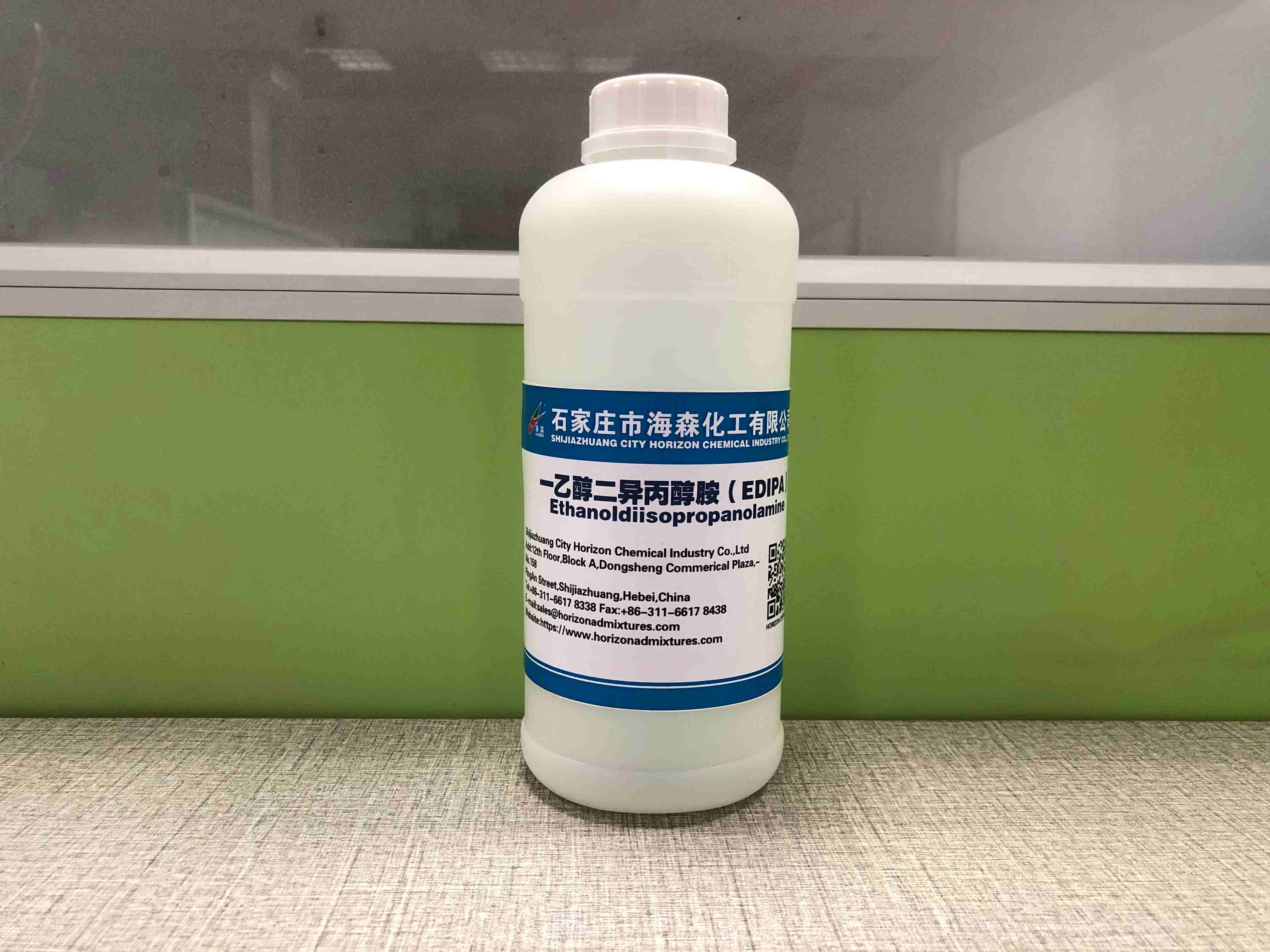
The supplement aisle is flooded with bold purity claims, yet independent lab analyses frequently tell a different story. A product labeled “99% pure” might contain unexpected fillers, residual solvents, or even undisclosed active compounds when subjected to rigorous third-party testing. This disconnect isn’t always intentional fraud; sometimes it stems from lax supply chains or inconsistent manufacturing batches. Still, the gap between what a label promises and what a chromatogram shows leaves consumers guessing.
Closing that gap starts with embracing transparency beyond marketing copy. Reputable brands now publish batch-specific certificates of analysis, allowing anyone to cross-reference a lot number with actual results for heavy metals, microbial load, and potency. This shift moves purity from a slogan to a verifiable metric. At the same time, independent testing protocols—such as HPLC or mass spectrometry—need to become the default benchmark rather than an optional upgrade.
The real work, however, happens upstream. Suppliers must be audited repeatedly, not once a year, and raw materials should be quarantined until every incoming shipment matches its documentation. When companies treat purity as an ongoing process instead of a one-time claim, the gap narrows. Consumers, in turn, learn to look past glossy fronts and demand the data behind the label. Only then do purity claims and real test results start speaking the same language.
Long-Term Contracts: Locking in Price Without Losing Flexibility
Locking in a price over several years often feels like trading agility for certainty. The trick is to structure the agreement so the fixed rate covers your baseline volume, while anything above or below that can be adjusted periodically or tied to a transparent index. This way, you are not overcommitting if demand shifts, and you still get the budget predictability that made the long-term deal attractive in the first place.
Flexibility can also come from built-in review windows. Instead of a rigid contract that assumes the market will stand still, include clauses that allow both sides to revisit terms if certain triggers are hit—such as a sharp movement in raw material costs or a change in your operational footprint. These are not escape hatches; they are scheduled conversations that keep the relationship honest without forcing either party to walk away.
The most durable long-term contracts are less about locking the door and more about agreeing on the rules for changing the locks. By defining what “fair” looks like under different scenarios upfront, you can hold a stable price for years and still respond to reality. That balance is what turns a standard supply agreement into a genuine strategic advantage.
Logistics for Specialty Amines: Avoiding Transit Damage and Delays
Specialty amines often carry reactive or moisture-sensitive traits that demand more than a standard pallet wrap. Lined ISO tanks or high-density polyethylene drums with PTFE gaskets reduce the chance of corrosion or seal failure during long hauls. For oxygen-sensitive grades, purging the headspace with dry nitrogen before sealing keeps color and assay stable even if the container sits in a staging yard for a few days.
Delays frequently trace back to incomplete dangerous goods paperwork or mismatched placards. Preparing the shipper's declaration under IMDG, ADR, or 49 CFR ahead of pickup, and verifying the UN number against the exact amine mixture, prevents hold-ups at port or border crossings. It also helps to avoid routing through municipalities with daytime chemical transport bans unless the carrier has a confirmed night delivery window.
Temperature swings during transit are a common root cause of damage that only appears at the receiving dock. Fatty amines with long alkyl chains can solidify or become highly viscous below 15°C, making unloading nearly impossible without reheating. Specify tank containers with steam coils or insulated trailers with active heating, and set a continuous recorder with alarm thresholds at both high and low limits, so any excursion is caught before the product reaches the customer's storage.
When to Walk Away: Recognizing Unsafe Handling Practices
It starts with a gut feeling. Maybe you notice a coworker twisting at the waist while hoisting a heavy box, or you see a forklift operator ignoring a clearly marked pedestrian walkway. These aren't just minor mistakes; they're red flags that someone hasn't internalized basic safety protocols. Unsafe handling practices often show up as rushed movements, overloaded carts, missing gloves or back belts, or a general disregard for posted weight limits. When you spot these patterns repeatedly, it's time to step back and assess whether you're in an environment where your physical well-being is truly respected.
Walking away doesn't always mean quitting on the spot. It can mean pausing the task, speaking up, or refusing to participate until proper equipment or training is provided. But if you've voiced concerns and nothing changes—if the same unsafe behaviors are brushed off or even encouraged—that's a clearer signal. No job title or deadline is worth a slipped disc or a lifetime of chronic pain. Pay attention to how often you're asked to 'just make it work' without the right tools, or how frequently near misses are laughed off. Those are cultural cues that safety is only a slogan.
In the end, recognizing unsafe handling practices is about trusting your own judgment over peer pressure or productivity demands. If you feel that pang of unease before lifting, pushing, or operating something beyond your capacity, listen to it. A workplace that values you will never punish you for being cautious; it will invest in better training, ergonomic equipment, and a slower pace. Anything less is a sign that walking away might be the smartest move you make all day.
Diversifying Your Ethanoldiisopropanolamine Sources Without Chaos
Expanding your ethanoldiisopropanolamine supply base doesn't mean juggling random vendors and hoping for the best. Start by mapping every current dependency—lead times, purity specs, regional risks, and how each shipment behaves in your downstream processes. That baseline tells you where a second or third source can actually add resilience without introducing variability. Then bring in alternate suppliers only after they match your existing quality windows, not just your price point.
Once multiple sources are live, keep the chaos out by routing all incoming material through a single set of acceptance tests and a shared lot-tracking system. Assign clear trigger points for switching between suppliers, and make sure production and procurement both see the same real-time inventory and quality data. Rotating sources on a schedule rather than reacting to shortages keeps your process stable and gives you real leverage during negotiations.
Finally, treat source diversification as a living practice rather than a one-time project. Hold a short monthly review across procurement, quality, and operations to compare supplier performance and flag any drift in color, odor, or assay results. Document those patterns so that if a primary source goes down, the backup can take over without a scramble—and without forcing your team to re-learn how the material behaves on the line.
FAQ
Ask for the full production flow diagram and a recent batch certificate of analysis. Many suppliers only share a sales spec sheet, which hides variability in amine value, moisture, and color. A plant that cannot walk you through its neutralization and distillation steps is likely buying and repacking from another source.
It matters more than most buyers assume. Water above 0.3 percent can alter the viscosity of the formulated grinding aid and reduce storage stability. Insist on Karl Fischer titration data for every batch, not a one-time typical value.
An SDS that lists only generic amine hazards without specific exposure limits, or one that reuses an old revision date, suggests the supplier is not actively managing regulatory updates. Check section 9 for density and boiling range narrowing matching your requested grade.
Use epoxy-lined steel drums or IBC totes rated for alkaline amines, and specify nitrogen blanketing if the route includes high-humidity ports. Also confirm the unloading valve size and thread type before the truck arrives, because mismatched fittings cause more delays than product quality issues.
Request the raw gas chromatography report and compare the retention time with a known standard. A diluted product often shows extra solvent peaks, a lower refractive index, or density outside the typical 0.98 to 1.02 g/cm³ range. Sending a sample to an independent lab before the first bulk order is worth the cost.
Ethanoldiisopropanolamine can be described as a reaction product of ethylene oxide and diisopropanolamine, so some suppliers use the CAS number of the mixture while others list the main amine component. Always match the molecular structure and functional group ratio, not just the trade name on the quote.
Plan for two to five weeks. The extra time is not for manufacturing alone but for reactor cleaning, post-blend stability testing, and quality release. A supplier promising same-week custom blending often skips the stability hold period.
Start with 200 to 500 kg and split the payment into 50 percent upfront and 50 percent after your lab confirms the key parameters. Include a clause that allows return or credit if the amine value deviates by more than 2 percent from the agreed specification.
Conclusion
Reliable sourcing for ethanoldiisopropanolamine starts long before the first shipment arrives. On-site audits should focus on evidence rather than brochures, checking whether storage tanks are dedicated or shared, how batches are logged, and whether the lab follows ASTM or USP methods for amine purity. Many suppliers quote high assay numbers, but independent test results often tell a different story. Ask for retained samples from the last three production runs and compare them against your own titration or GC data. In contract talks, avoid locking every parameter. Instead of a fixed annual volume, agree on a base quantity with a flexible band, and tie price adjustments to a published amine index rather than a vague "market rate." This keeps costs predictable without trapping you when demand shifts or a better source emerges.
Specialty amines like ethanoldiisopropanolamine demand careful logistics. Drum liners, nitrogen blankets, and temperature monitoring during transit can prevent discoloration or moisture pickup that ruins a batch. Before signing, ask the supplier how they handle summer heat or winter freezing, and whether they offer sealed, dedicated ISO tanks for bulk orders. Equally important is knowing when to walk away. If you see open drums, missing spill kits, or workers without proper PPE during a site visit, treat that as a deal-breaker—unsafe handling usually signals deeper quality failures. Finally, build a second and third qualified source without chaos. Start with a small trial order from an alternate supplier, keep the primary relationship intact, and document every specification. This way, supply disruptions never become a crisis.
Contact Us
Contact Person: Sam Lee
Email: [email protected]
Tel/WhatsApp: 86-311-6617 8338
Website: https://www.horizonadmixtures.com/