
High Quality Baseball Caps: The Ultimate Guide to Style and Durability
2026-08-15
Finding a baseball cap that truly balances style and durability can feel like a never-ending search. Most options either look sharp but fray within weeks, or they’re built tough yet carry a bland, boxy silhouette. That’s where 4ugear changes the game—crafting high quality baseball caps that refuse to compromise on either front. From premium fabrics to reinforced stitching and a fit that actually flatters, this guide walks you through what separates a standout cap from a throwaway trend. If you’ve ever wondered why some caps hold their shape and color for years while others fade after one wash, you’re in the right place.
Signs of a Well-Made Cap You Can Spot in Seconds
Start with the stitching. On a well-made cap, the seams around the crown and brim are tight, even, and free of loose threads or skipped stitches. Run your thumb along the inside of the seams; they should lie flat without puckering or bunching. If you spot crooked lines, glue residue where the fabric meets the brim, or stitching that looks like it would unravel with a gentle tug, that’s your first red flag.
Give the brim a quick flex. Quality caps have a firm snap that bounces back without feeling brittle or overly soft. The top button should be anchored tightly, with no wobble when you nudge it. Eyelets, if present, need to be cleanly punched and evenly spaced, not frayed or uneven. These small hardware and structure details tell you a lot about the manufacturing care.
Flip the cap over and check the interior. A proper sweatband is made from a comfortable, absorbent material and stitched neatly into the shell, not glued in place. The lining or labels should sit flat and secure. Set the cap on a table; it should hold its shape rather than slumping to one side. Finally, test the closure or strap—buckles, snaps, or adjusters should feel sturdy and operate smoothly without catching.
Why Some Caps Keep Their Shape While Others Go Floppy
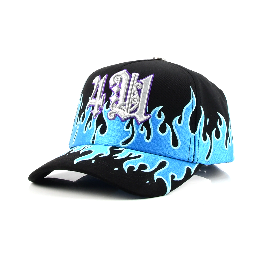
A cap's staying power usually comes down to what's hidden between the fabric layers. A stiff interfacing or buckram can turn a piece of cotton into a structured lid that won't collapse. Meanwhile, caps made from single-layer knits or washed-out canvas tend to lose their shape the moment you set them down.
Another factor is the brim. Hats with a reinforced visor or a wired edge hold their silhouette, even after being tossed in a bag. Soft-brimmed caps, by contrast, curl and droop because there's nothing to resist the pull of gravity or moisture.
The construction method matters too. Steam-blocking wool felt or heat-pressing a crown creates a memory in the material, so it springs back to form. But unstructured caps skip those steps, which is why they go floppy after a few wears.
Fabric and Stitching Details That Separate Durable Caps from the Rest
The difference between a cap that survives years of daily wear and one that frays after a single summer often comes down to what's hidden inside the seams. Run your thumb along the fabric of a serious cap and you'll feel a tight, almost canvas-like density—woven cotton twill or a wool blend that doesn't stretch out of shape when you tug on the brim. Cheaper versions lean on thin polyester that lets light through and softens into a shapeless rag. Durable caps also tend to hold their color longer because the dye has been worked through the fibers rather than sitting on the surface.
Stitching tells an even clearer story. Flip the cap over and count the stitches along the crown—anything fewer than eight per inch is a warning sign. On well-made caps, you'll see parallel rows of double-needle stitching where the panels meet, with bar tacks at stress points like the base of the back strap or the ends of the brim. Raw edges don't just get serged and hidden; they're bound with cotton tape or folded under so friction against your forehead won't cause the seam to split. Even the button on top is anchored with extra thread, not a single loose loop.
Inside, the sweatband and inner seams deserve a closer look. A leather or dense cotton twill sweatband keeps its grip without disintegrating, while foam-backed polyester feels spongy and starts to peel after a few wears. Taped seams along the interior crown prevent the cap from twisting or bubbling, and reinforced eyelets won't rip when you're adjusting the fit. These are the details nobody photographs for a product page, but they separate a cap you'll replace next season from one you'll still be wearing in a decade.
Crown Shapes and Face Fit Without the Guesswork
Most people pick a hat based on how it looks on a shelf, then wonder why it sits awkwardly on their head. The real variable is crown shape — not just height, but how the top curves and where the volume sits. A round crown adds softness to angular jaws, while a teardrop crown elongates a wide forehead. The trick is to let the silhouette do the work instead of forcing a style that fights your bone structure.
Think of the crown as a frame for your face from the brow up. If you have a strong brow line, a slightly tapered crown balances it without adding bulk. For softer facial features, a boxier crown with defined edges creates contrast. Forget measuring tape — observe how the hat's peak lines up with your cheekbones in a mirror. That visual check tells you more than any size chart.
When trying a hat on, tilt your head down and then up. A well-fitted crown should stay put without pinching your temples or sliding over your ears. Pay attention to where the inner band rests — it should sit just above your brow, not halfway down your forehead. If you feel the need to constantly adjust, the crown shape isn't right, no matter how good the color looks.
Closure Types That Won't Loosen After a Few Wears
Most snap buttons use a single leaf spring that loses tension after repeated opening and closing—fine at first, but soon a light tug pops them apart. The double-ring spring snap avoids that by stacking two concentric steel rings that interlock under pressure. Each closure rotates the rings to a fresh contact point, so wear is spread around the entire circumference rather than concentrated in one spot. After months of daily use, the snap still requires the same deliberate pinch to release.
Lace-up systems are the usual culprit when things start to feel loose, because knots slip and eyelets stretch. A ratcheting dial closure removes that failure mode entirely. Thin steel cables run through low-friction guides, and the dial pulls them in millimeter by millimeter, with an internal pawl locking every increment. You can tighten or loosen only by lifting the dial, so even if you shove your foot into the shoe without unlacing, the setting from the last wear holds firm.
Magnetic buckles often weaken because the magnet shifts inside a plastic housing or the plating wears off, leaving a sloppy connection. A better design uses a machined aluminum shell with a locating pin that mates before the magnet contacts. The magnet sits in a recessed pocket, not a shallow groove, and a small spring tab keeps it aligned even under side load. After weeks of one-handed fastening on a backpack or waist pack, the buckle still snaps shut with the same crisp click and doesn't creep open when you bend over.
Styling a Baseball Cap for Work, Travel, and Weekends
A baseball cap can work in a casual office if you treat it as part of the outfit rather than a cover-up. Opt for a structured, matte-finish cap in navy, charcoal, or black, and skip anything with mesh, loud logos, or a worn-in brim. Pair it with a fine-gauge knit polo, chinos, and clean leather sneakers. Keep the brim slightly curved and the fit snug but not stretched, which reads as deliberate instead of lazy.
When you are traveling, a cap pulls double duty by hiding flat hair and shading your eyes during long waits. Choose a packable style made from quick-dry nylon or lightweight cotton twill, and stick to neutral colors that go with most of your wardrobe. For weekends, lean into softer textures like washed canvas or faded denim. A muted cap in olive, sand, or dusty blue pairs easily with a plain tee, an overshirt, and trail sneakers, and matching the cap to your belt or shoelaces can make the whole look feel planned with almost no effort.
FAQ
It usually comes down to the fabric density, the stitching around the brim, and how the sweatband is attached. A cheap cap might feel papery and lose shape after a few wears, while a quality one keeps its curve and the seams stay flat against your forehead without itching.
Heavier cotton twill or a cotton-polyester blend holds up best. Wool or melton is nice for colder months but can shrink if washed wrong. Avoid anything that feels thin or stretchy at the crown because it will sag quickly.
Stick to a neutral cap color like navy, heather grey, or olive if you want it to work with most of your wardrobe. Keep the brim clean and avoid pairing a bright logo cap with already busy patterns. A plain cap with a blazer and clean sneakers looks intentional, while a faded one with sweat marks does not.
Structured caps have a stiff front panel that keeps their shape even after you take them off, which is useful if you have a rounder face or want a sharper look. Unstructured caps are softer and sit closer to the head, so they feel more casual and pack easier for travel.
Hand washing is safest. Fill a basin with lukewarm water and a small amount of mild detergent, then gently scrub the sweatband with a soft toothbrush. Rinse well, pat with a towel, and let it air dry on a rounded object like a bowl or a ball so the crown doesn't collapse.
Check the brim for tight, even stitching with no loose threads where it meets the crown. A quality cap often has a slightly thicker brim that snaps back when flexed, not one that stays bent. Also look for a covered button on top and eyelets that are cleanly punched, not frayed.
It can handle light activity, but I wouldn't use one for heavy sweating if you care about longevity. Sweat and oils break down the fabric and sweatband over time. Keep a cheaper performance cap for real workouts and save your high-quality one for daily wear.
Look for caps with adjustable closures like a leather strap with a brass buckle or a hidden elastic band. These give you more control than plastic snapbacks. For small heads, avoid high crowns because they create a gap above your ears. For larger heads, choose a low-profile or relaxed fit cap with a deeper crown.
Conclusion
A genuinely high-quality baseball cap announces itself the moment you pick it up. Run your fingers along the seams: tight, even stitching with no loose threads or puckering is the first tell. The fabric should feel substantial but not stiff—dense cotton twill, brushed canvas, or a wool blend all hold their structure without turning cardboard-like. Flip the cap over and check the inner construction. A reinforced front panel with a fused buckram backing is what keeps the crown standing tall through sweat, rain, and repeated packing, while cheaper caps collapse into a shapeless rag after a few wears. The brim matters too; a good one has a slight give but snaps back cleanly, and the edge is finished neatly with no raw fabric peeking through. Pay attention to the sweatband as well—cotton or leather linings breathe better and resist the grimy breakdown that synthetic foam bands develop within a season. These details separate a cap you will reach for daily from one that ends up at the back of the closet.
Fit and closure are equally non-negotiable. Crown depth and shape should sit naturally on your forehead without squeezing your temples or sliding down over your eyes; a mid-profile crown with a gently curved brim flatters most face shapes and dodges the boxy, oversized look. When it comes to closures, metal or brass slide buckles, sturdy leather straps, or high-quality snapbacks with firm posts outlast flimsy plastic straps that loosen after three wears. And durability is only half the equation—style carries the rest. A solid navy, black, or olive cap in a matte finish pairs effortlessly with a chore coat for work, a denim jacket for travel, or a plain tee and chinos on weekends. Skip loud logos and go for minimal embroidery or a tonal patch; that understated look ages better and works across far more settings than trendy graphics ever will.
Contact Us
Contact Person: Tommy
Email: [email protected]
Tel/WhatsApp: 8613546956008
Website: https://www.4ugearsupply.com/