
LLLT Laser Therapy: How to Choose the Right Treatment
2026-07-12
Choosing the right LLLT laser therapy device can feel like a maze—too many options, confusing specs, and bold claims. In this guide, we cut through the noise to help you spot what truly matters, from wavelength and power to safety certifications. And when you’re ready to explore quality options, GUANG TAI offers reliable solutions worth considering.
Key Questions to Ask Before Starting LLLT
Before jumping into low-level laser therapy, it’s worth asking whether your specific situation is actually a good fit. Not every skin concern or pain point responds the same way—some people see dramatic improvements, while others notice little change. Talking to a professional who understands both the technology and your medical history can help you avoid wasting time and money on a method that might not align with your needs.
Another often overlooked detail is the device itself. Don’t assume all lasers are interchangeable: wavelength, power output, and pulsing frequency can vary wildly between home gadgets and clinical systems. Dig into what specs actually matter for your intended use, and look for evidence that the settings have been studied in contexts similar to yours. A cheap device with unclear parameters might do more to drain your wallet than to deliver results.
Finally, get realistic about the commitment. Unlike a one-off treatment, LLLT usually requires consistent sessions spread over weeks or months. Ask yourself how much time and patience you genuinely have, and check what a typical protocol looks like—daily use versus every other day, for instance. Knowing this upfront prevents the frustration of quitting too early and wrongly blaming the technology when it was the follow-through that fell short.
Decoding the Wavelength Puzzle for Your Condition
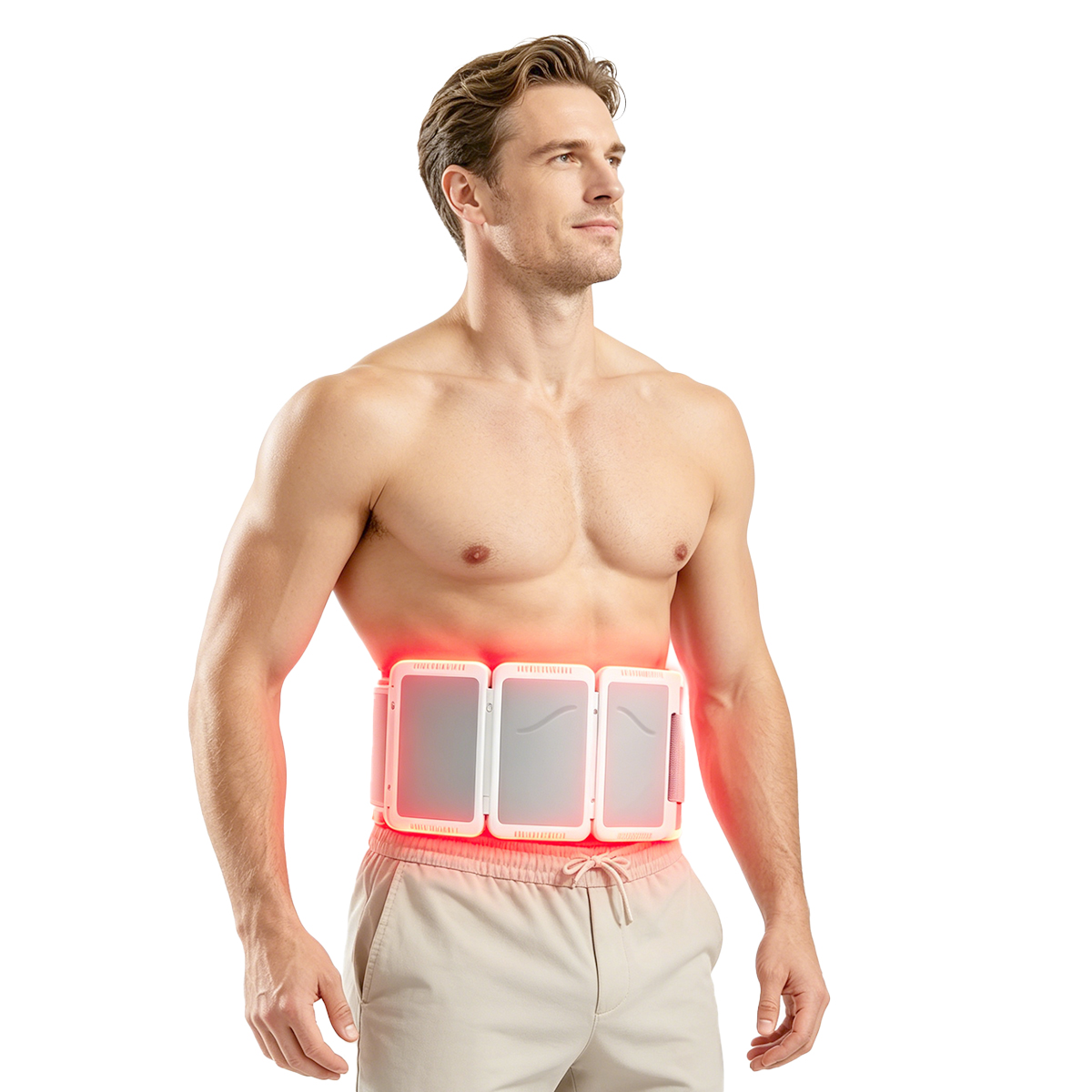
Not all light is created equal, especially when it comes to your skin’s unique needs. The “right” wavelength isn’t a one-size-fits-all answer—it’s a conversation between your cells and the specific type of light they’ll actually respond to. Think of it like tuning a radio: find the frequency that resonates, and the music plays; miss it, and all you get is static.
Your condition—whether it’s surface-level redness, deeper acne scars, or the stubborn beginnings of fine lines—dictates where the light needs to land. Shorter wavelengths barely graze the top layer of skin, making them perfect for tackling lingering bacteria and inflammation right at the surface. Longer ones, on the other hand, plunge through the dermis, nudging collagen production and cell repair from the inside out. Matching that depth of action to your concern is where most people go wrong—they blast the wrong wavelength and wonder why nothing changes.
Real progress begins when you stop guessing. Pay attention to how your skin reacts after each session. Does it feel calmer? Is the tone a bit more even? Or do you notice a faint, lingering warmth that suggests you’ve overshot the mark? Your skin holds clues that no off-the-shelf guide can fully anticipate, and listening closely turns a complex puzzle into a custom map.
Power Density and Why It Matters More Than You Think
It’s easy to get swept up in horsepower numbers and zero-to-sixty times, but what really dictates how a vehicle feels on the road is something less obvious: power density. This metric—essentially the amount of power delivered per unit of volume or weight—shapes throttle response, packaging flexibility, and even long-term durability. When an engine or motor produces more punch from a smaller, lighter package, the whole character of the vehicle changes. Steering feels lighter, weight distribution improves, and the car’s ability to change direction becomes more urgent. We’ve all driven cars whose specs suggest they should be quick, yet somehow feel lazy; more often than not, the culprit is an under-optimized power density that forces engineers to compensate with taller gearing, heavier chassis tuning, or intrusive traction aids.
Beyond the driving experience, power density directly influences how automakers design their entire lineup. A compact, high-output powerplant can slip into anything from a city hatchback to a mid-size SUV, slashing development costs and streamlining manufacturing. But there’s a catch: extracting more power from a smaller envelope pushes thermal and mechanical limits. Heat dissipation becomes a headache, materials must be uprated, and lubrication demands skyrocket. The most successful high-density designs balance forced induction, clever cooling, and advanced combustion strategies to keep reliability intact. This is where the real engineering artistry shines—not in chasing an arbitrary peak output, but in creating a power unit that feels eager at any rpm and fits neatly under a low hood, without turning the engine bay into a furnace.
What’s often overlooked is that power density is quietly redefining the electric era as well. While EVs famously deliver instant torque, the challenge of packing ever-more power into a small motor while managing battery thermals is the new frontier. A motor that can shed heat efficiently and run at high revs without saturating its magnetic fields will outperform a bulkier rival every time. In both combustion and electric worlds, the pursuit of higher power density drives innovation in materials science, fluid dynamics, and control software. For anyone who genuinely cares about how a machine feels at the wheel—rather than merely how it looks on a spec sheet—this invisible battle for compact power is where the real excitement lives. Next time you’re behind the wheel, pay less attention to the headline figure and more to how effortlessly the car surges forward. That sensation, more than any number, is the signature of a well-engineered, power-dense heart.
Spot Size and Treatment Time: Getting the Balance Right
Nailing the right spot size isn’t just about coverage—it’s a direct lever on how long a treatment actually takes. Go too small and you’ll be chasing the area for ages, dragging out session times and testing patience on both sides of the handpiece. Oversize it, and you risk losing the precision needed for intricate work, forcing slower, more cautious passes anyway. The sweet spot sits where the beam is wide enough to make real progress without sacrificing the finesse that tricky contours demand.
Time under treatment matters, but it’s rarely about raw speed. A larger spot dispatches broad zones in fewer passes, yet if energy density drops or scattering kicks in, you’ll end up compensating with overlap or slower hand speed—eating up the minutes you thought you’d saved. It’s this tug of war between irradiance and area that really dictates tempo. Clinicians get the best flow when they tune spot size to the tissue’s response, not just the footprint on the skin.
Forget one-size-fits-all thinking. Procedures that blanket a back need a different geometry than tracing around the nose or hairline. Adjusting spot size on the fly cuts down idle adjustments and keeps a session moving naturally. It’s about reading what’s in front of you and understanding that a few extra millimeters can shave off serious time—or add it—depending on how the tissue behaves under the light.
Pulsed vs. Continuous Wave: What the Research Really Says
When comparing pulsed and continuous wave modalities, the research paints a nuanced picture that defies simple answers. Early studies often touted continuous wave as superior due to steady energy delivery, but later investigations revealed that pulsed outputs can minimize thermal buildup without sacrificing efficacy. A key 2018 meta-analysis found no statistically significant difference in clinical outcomes for most applications, though pulsed protocols consistently reported lower patient discomfort and reduced collateral tissue effects.
Digging deeper, the context of use appears to matter more than the waveform itself. For applications requiring deep penetration or prolonged activation, continuous wave often demonstrates predictable dose-response curves. In contrast, pulsed modes excel in scenarios where tissue relaxation times can be leveraged, allowing peak powers that circumvent thermal diffusion limits. Researchers note that the advantage isn't inherent to the waveform, but rather to how well the parameters match the target's physical properties.
The most recent controlled trials challenge the notion that one method is universally better. They emphasize individualized parameter selection, pointing out that tissue impedance, vascularity, and intended biological effect all tip the scales. Rather than a winner-takes-all verdict, the data steers practitioners toward understanding the mechanisms—not just the labels—so they can tailor treatments beyond the oversimplified pulsed vs. continuous wave dichotomy.
Red Flags to Watch Out for When Comparing Devices
When comparing devices, one of the biggest red flags is an overemphasis on raw specs without real-world context. A 50MP camera might sound impressive, but if the sensor size is tiny and image processing is poor, your photos will still look mediocre. Similarly, a massive battery capacity doesn't guarantee long life if the software is unoptimized. Look past the numbers and check reviews for actual battery drain tests and photo comparisons in various lighting conditions. If a manufacturer focuses solely on peak brightness or GHz speeds without explaining how those translate to daily use, treat it as a warning sign.
Another subtle trap is the omission of specific details about software updates and support periods. A device might launch with the latest OS, but if the brand has a history of delaying updates or dropping support after a year, you're buying into a short-term relationship. Dig into forums and official statements to see if they commit to a clear number of years for major updates and security patches. Vague promises like “consistent updates” are often a smokescreen. Also, be wary of devices that heavily advertise “AI” features that are either server-dependent (meaning they could disappear) or are just rebranded versions of standard functions.
Finally, watch out for inconsistencies in user reviews regarding durability and customer service. A device might look sleek in renders, but if multiple owners report the same issue—like a loose charging port or screen delamination—within months, it’s a pattern, not a coincidence. Also, check how the company handles warranties and repairs. A painfully slow or unresponsive support team can turn a minor defect into a major headache. If most five-star reviews sound generic or focus only on the unboxing experience, they might not reflect long-term satisfaction. Prioritize detailed, long-term usage reviews that mention both pros and cons.
FAQ
Low-level laser therapy, or LLLT, uses specific wavelengths of light to interact with tissue. It’s thought to accelerate healing and reduce inflammation by stimulating cellular processes. Basically, the light energy gets absorbed by mitochondria, which then boosts ATP production, helping cells repair themselves more efficiently.
It’s used for a wide range of issues. Common ones include wound healing, chronic pain like arthritis, nerve regeneration, hair loss, and even acne. Athletes often use it for muscle recovery and tendon injuries. The key is matching the treatment parameters to the specific condition.
Start by looking at the intended use. For deep tissue issues, you’ll need a device with higher power and the right wavelength—usually near-infrared. For surface-level skin concerns, red light might suffice. Also, check if it’s continuous or pulsed, and whether you need something portable or a clinical-grade machine. Don’t overlook the beam area size; larger areas need broader coverage.
Wavelengths determine penetration depth. Red light around 630-670 nm works mostly on the skin, so it’s good for wrinkles, scars, and superficial inflammation. Near-infrared between 800-900 nm goes deeper, into muscles and joints, making it better for chronic pain or deep tissue repair. Some devices combine both for broader benefits.
It depends on what you’re treating and your sensitivity. Continuous wave delivers a steady energy flow, which can be more effective for deep-seated chronic pain because it builds up dose faster. Pulsed mode might be gentler, and some studies suggest it’s better for nerve regeneration and reducing heat buildup in sensitive areas. If you’re new to LLLT, pulsed could be a safer starting point.
They’re crucial. Too little energy and you won’t see results; too much can actually inhibit healing. Dosage is usually measured in Joules per square centimeter. For most conditions, you’re looking at a sweet spot of 4-12 J/cm². Power density—how quickly energy is delivered—affects whether you reach that dose. A higher power density shortens treatment time, but you need to be careful not to overshoot the optimum window.
They can be, depending on what you need. At-home devices are typically lower power, so they’re fine for maintenance or mild issues like hair regrowth and skin rejuvenation. But for serious injuries or chronic conditions, a clinical system with higher output and precise dosing protocols usually gets faster, more reliable outcomes. Think of it as the difference between a home fitness routine and working with a physical therapist.
Always protect your eyes—laser safety glasses are a must, even for low-level devices. Avoid using it over cancerous lesions, during pregnancy unless cleared by a doctor, or on the thyroid without guidance. Start with shorter sessions and watch how your body reacts. If you feel any unusual discomfort, stop. And if you’re on photosensitizing medications, check with your physician first.
Conclusion
Before diving into low-level laser therapy, it’s smart to pin down exactly what you’re trying to treat and whether LLLT has a proven track record for that condition. Many people skip the basics—like asking if their specific issue responds better to certain wavelengths. Red and near-infrared light penetrate tissue differently; for deep joint pain you might need 800–900 nm, while skin-level concerns often do fine with 630–670 nm. Even then, wavelength alone won’t save you if the power density is too low. A device might boast a high total output, but if that energy is spread over a huge area, you’re barely tickling the cells. Effective treatment requires enough mW/cm² to trigger real metabolic change, not just a warm glow.
Once you’ve narrowed down wavelength and power, the next headache is figuring out spot size and treatment duration. A laser with a tiny aperture means you’ll spend forever covering a large zone, yet cranking up the time without adjusting dose can lead to biphasic effects—where too much light actually inhibits healing. That’s where pulsed vs. continuous wave gets interesting. Research hasn’t crowned a universal winner; pulsing might reduce heat buildup and suit acute injuries, while continuous output often delivers consistent photons for chronic issues. When shopping around, watch for red flags like vague specifications, missing beam divergence angles, or marketing that confuses LED-based devices with true laser diodes. If a company can’t clearly state irradiance, pulse parameters, and treatment protocols, you’re probably looking at a toy, not a therapeutic tool.
Contact Us
Contact Person: Leon Yi
Email: [email protected]
Tel/WhatsApp: +86 17363316873
Website: https://zzgt.en.alibaba.com/