
Magnetic Levitation Compressor: How to Choose the Right One for Your Needs
2026-08-09
Magnetic levitation compressors are revolutionizing industries with oil-free air and energy efficiency, but selecting the perfect model isn't always straightforward. With so many specs and claims out there, it's easy to feel overwhelmed. That's where Seize Air steps in—we've spent years demystifying this technology so you can focus on what matters. In this guide, we'll break down the key factors without the fluff, whether you're upgrading a plant or designing from scratch.
Why Magnetic Levitation Compressors Are Redefining Industrial Efficiency
Conventional compressors waste a staggering amount of energy just fighting their own bearings. With magnetic levitation, the shaft floats in a frictionless void, eliminating the constant drag that silently eats into efficiency. This isn't a minor tweak—it's a fundamental shift that slashes energy consumption by 20 to 30 percent in many installations, directly cutting operating costs and shrinking the carbon footprint of entire facilities.
The oil-free design does more than just simplify maintenance schedules. By removing lubricant from the equation, there's zero risk of oil vapor contaminating sensitive processes—a dealbreaker in food, pharmaceutical, and semiconductor manufacturing. The system can also spin at wildly variable speeds without vibration, instantly adapting to demand curves that would cripple a traditional compressor. That flexibility means no more wasteful bypasses or over-pressurization just to stay within a safe operating zone.
What often gets overlooked is the sheer longevity these machines bring. Without metal-on-metal contact during start-up or shutdown, the internal components last far longer, stretching service intervals from months to years. The real-time monitoring built into the levitation controls also predicts faults before they happen, turning maintenance from a reactive scramble into a quiet, planned event. For industries where uptime equals revenue, that reliability is rewriting the rules of what a compressor should deliver.
Key Performance Factors You Can’t Overlook When Comparing Models
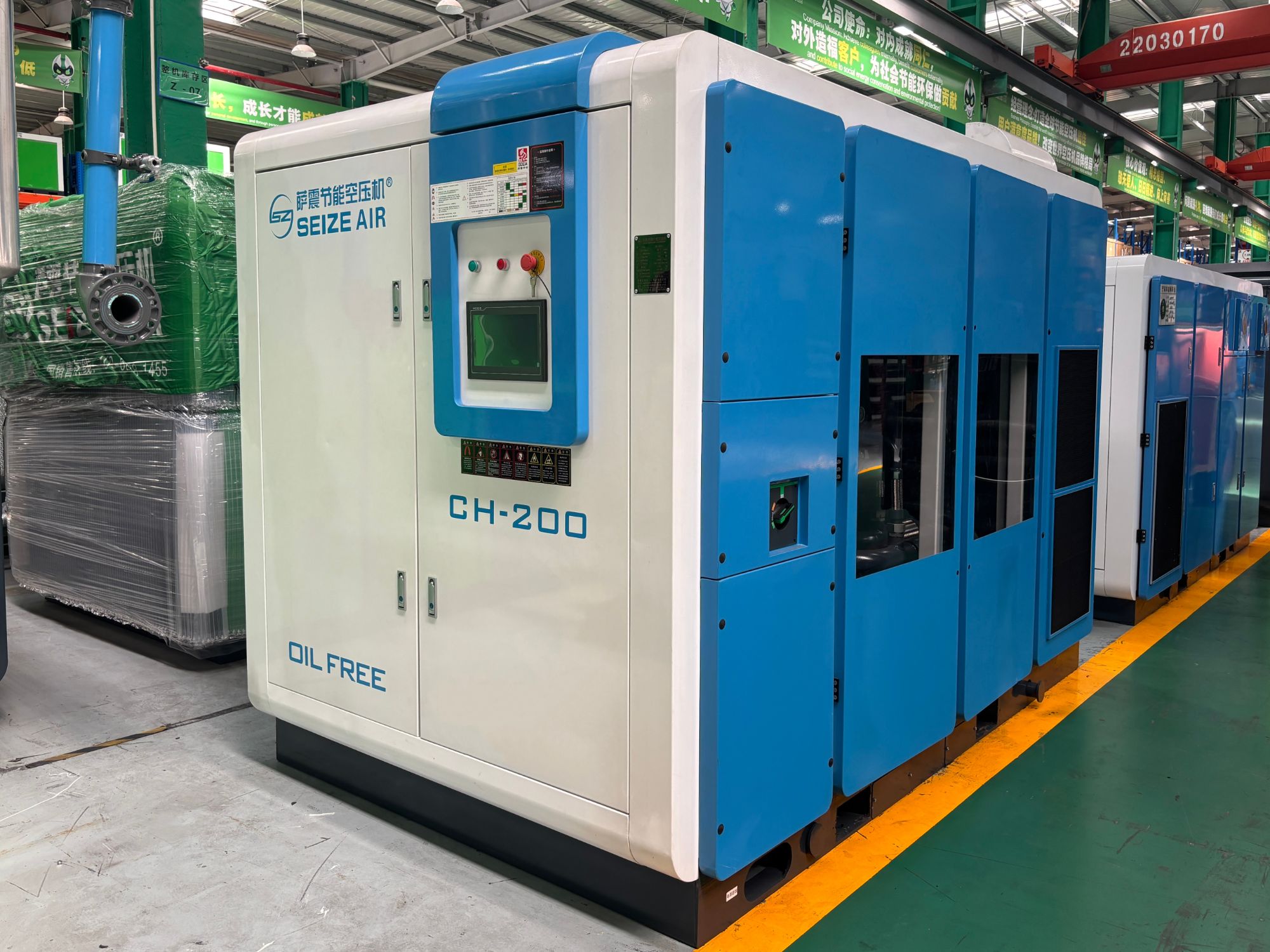
It’s easy to get caught up in big promises and flashy demos, but the real differentiators often lie in the details that don’t make it onto the first slide. When you put models side by side, the first thing to scrutinize is their consistency under varied conditions—not just the best-case scenario. A model that crushes a prepped benchmark but stumbles on edge cases or slightly altered inputs won’t hold up in the real world. Look instead for stable, predictable outputs across a battery of tests that mimic the messiness you actually deal with day to day.
Another factor that slips under the radar is how well the model adapts to the nuance of your specific domain. Off-the-shelf performance rarely tells the whole story, especially if your data or use case skews specialized. A model that truly excels is one that can grasp your internal terminology, respect your guardrails, and maintain tone without constant handholding. Run a few tough, custom-tailored scenarios through each candidate—the ones where generic models typically falter—and pay attention to which one requires the least patching and post-processing.
Don’t underestimate the operational side either. Raw accuracy figures mean little if the model is a black box that you can’t debug, retrain, or scale affordably. Evaluate the iteration speed: how quickly can you go from a broken example to a fixed behavior? Factor in the hidden costs of latency, compute, and the engineering effort needed to keep the model aligned. The best model isn’t always the one with the highest paper score; it’s the one that fits into your workflow without breaking your timelines or bank.
Energy Savings and Environmental Impact: The Numbers That Matter
Switching to LED lighting isn't just a minor upgrade—it's a quiet revolution in every socket. A single 10-watt LED can replace a 60-watt incandescent, slashing energy use by over 80% while lasting 25,000 hours longer. Over its lifetime, that one bulb prevents roughly 1,000 pounds of CO₂ from entering the atmosphere, the same as not burning 50 gallons of gasoline. When multiplied across a typical home, the savings leap from pocket change to real money: an average household can trim $225 from its annual electricity bill just by swapping out old bulbs.
The ripple effects grow when you look beyond the porch light. A mid-sized office building that retrofits its lighting and HVAC systems can cut energy consumption by 30%, which translates to about 150 metric tons of avoided carbon emissions each year. That’s equivalent to taking 32 cars off the road permanently. And it’s not just about carbon—lower demand on power plants means less sulfur dioxide and mercury in the air, reducing asthma rates and acid rain. These numbers aren’t abstract; they show up in cleaner air and fewer sick days in the communities around upgraded facilities.
On a larger scale, the cumulative impact is staggering. Industrial energy-efficiency programs in the U.S. saved nearly 400 billion kilowatt-hours in 2022—enough to power 37 million homes for a year. If global adoption of high-efficiency motors and smart grids continues at its current pace, we could avoid building 1,200 new power plants by 2040. Every watt saved is one that never needs to be generated, transmitted, or paid for, creating a compounding dividend of fewer emissions, lower bills, and a cooler planet.
How Noise Reduction Enhances Workplace Conditions
Open-plan offices often hum with the relentless chatter of conversations, ringing phones, and the clatter of keyboards. While this buzz might signal a busy workplace, it frequently crosses into a distracting din that chips away at concentration. By lowering ambient noise, businesses can give employees the mental space they need to think clearly and stay absorbed in complex tasks. Quiet zones or sound-masking systems don’t just mute the world; they actively protect the deep focus that drives meaningful work.
Noise doesn’t only disrupt focus—it quietly raises stress levels throughout the day. The constant strain of filtering out irrelevant sounds leaves workers mentally drained and more susceptible to irritability or burnout. A calmer acoustic environment helps keep the body’s stress responses in check, making it easier for people to communicate calmly and collaborate without tension. Over time, this shift leads to noticeably better morale and a more supportive team atmosphere.
Physical health also reaps the benefits when noise is kept under control. Prolonged exposure to elevated decibel levels can contribute to hearing fatigue, headaches, and even higher blood pressure. Thoughtful design choices—like acoustic panels, carpeting, or designated quiet areas—don’t just soften sound; they actively safeguard well-being. Employees who aren’t fighting against a wall of noise all day report feeling less exhausted and more comfortable, which naturally translates into lower absenteeism and a more contented workforce.
Maintenance Requirements: What Manufacturers Won’t Tell You
Behind every glossy brochure and polished spec sheet, there’s a quiet truth about maintenance that rarely makes the cut. Manufacturers frame upkeep as a minor chore—swap a filter, tighten a bolt—but the reality is far messier. They don’t mention that the recommended service intervals are optimistic at best, calibrated for ideal conditions few of us actually encounter. Real-world dust, stop-and-go traffic, and long idle times accelerate wear in ways the official manuals conveniently overlook. By the time your dashboard warning light glows, you’re often already deep into a problem that might have been nipped with more honest guidance upfront.
Then there’s the parts puzzle. What they won’t admit is that critical components are sometimes engineered to be surprisingly fragile, pushing you toward expensive replacements on a schedule that feels more financial strategy than engineering necessity. Sealed transmissions that claim to be “lifetime filled” are a classic case—the fluid does have a lifespan, but it’s shorter than the vehicle’s, and by the time you push for a change, the damage may already be done. Likewise, timing belts hidden behind covers with no inspection window are a gamble; the manual might suggest a mileage that lulls you into a false sense of security, but heat cycles and age degrade rubber on their own terms, often without warning.
Perhaps the biggest omission is the cumulative effect of neglect. Manufacturers don’t dwell on how skipping that seemingly optional coolant flush can corrode your heater core, or how ignoring a faint accessory belt chirp can lead to a snapped belt that takes out other systems. They’d rather sell you the fantasy of effortless ownership than equip you with the gritty checklist that prevents roadside headaches. The real maintenance schedule is a living document, shaped by your driving habits, local climate, and the quirks of your specific model—details you’ll only learn by talking to independent mechanics who’ve cleaned up after the factory’s optimistic promises.
Matching the Compressor to Your Specific Application
Selecting a compressor isn’t just about pressure and flow—it’s about how the machine integrates with your daily operations. A food packaging line, for example, demands oil-free air to prevent contamination, while a construction site may prioritize portability and durability over ultra-clean output. Start by listing the environmental factors your site presents: dust, moisture, temperature swings, or restricted space. These details matter far more than generic specs, because a compressor that thrives in a climate-controlled workshop might fail prematurely in a coastal marine environment.
Beyond the working environment, consider the air quality demands of your tools and processes. Air-driven surgical instruments, laboratory equipment, and pharmaceutical production typically require stringent dryness and filtration, often with ISO 8573-1 Class 0 certification. In contrast, a tire shop can operate perfectly with a basic lubricated compressor and a standard filter-regulator-lubricator setup. Match the compressor type—reciprocating, screw, or scroll—to your actual duty cycle, not hypothetical peaks. An oversized screw compressor idling at 20% load may waste more energy than a properly sized reciprocating unit running intermittently, while constant-use scenarios demand the thermal and mechanical resilience of a rotary design.
Integration with existing workflows also shapes the right choice. A mobile service truck needs a compressor powered by its engine or a stand-alone gasoline drive, with vibration isolation and weatherproof controls. In a bottling plant, the compressor becomes part of a central system, often tied to dryers, receivers, and automated pressure sequencing. Take stock of pipe diameters, condensate management, and noise restrictions before deciding. Ultimately, the best match isn’t the most powerful machine—it’s the one that aligns with the rhythm of your work, maintaining efficiency during routine demands while handling occasional surges without added complexity or cost.
FAQ
A magnetic levitation compressor uses magnetic bearings to suspend the rotor, eliminating mechanical contact. This allows the shaft to spin at high speeds with almost no friction. Electromagnetic forces keep the rotor centered, while a direct-drive motor spins it. The result is oil-free operation and incredibly smooth performance.
The biggest advantages are the lack of oil, which keeps compressed air pure, and the dramatic reduction in energy consumption due to frictionless bearings. They also run much quieter, have fewer wearing parts, and often come with a smaller footprint, making them easier to fit into tight spaces.
Start by mapping out your facility’s air demand profile, noting both constant and peak loads. Oversizing wastes energy, while undersizing leads to pressure drops. Many manufacturers offer data logging services to track actual usage over a week, which gives you a realistic baseline, and from there you can pick a compressor with a turndown range that matches your swings in demand.
They thrive in settings that demand clean, oil-free air, like pharmaceutical production, food and beverage packaging, or electronics manufacturing. They’re also a strong fit for sensitive installations where low vibration and noise matter, such as laboratories or hospitals.
With no oil changes and no mechanical bearing wear, routine maintenance drops significantly compared to traditional compressors. You’ll mostly replace intake filters, inspect electrical connections, and keep an eye on cooling components. The magnetic bearing system itself is sealed and generally maintenance-free for the life of the unit.
Upfront, a magnetic levitation compressor typically costs more, sometimes quite a bit. But the energy savings—often 20 to 30 percent over screw compressors—plus minimal maintenance costs mean the total cost of ownership usually breaks even within a few years. After that, you’re saving money with every hour of operation.
Usually yes, but it depends on your current setup. Most units can be tied into existing air networks and controlled via common protocols like Modbus. You may need to check your piping diameter and pressure ratings, and sometimes harmonic filters are required for the variable-speed drive, so a pre-installation survey is always a good idea.
Look beyond the spec sheet. A good manufacturer will offer a factory test report with measured efficiency at multiple load points. See if they have local service support and readily available parts. Also, ask about the bearing controller design—true magnetic levitation uses five-axis control, not just simple passive magnets, which makes a big difference in stability and surge handling.
Conclusion
Selecting a magnetic levitation compressor starts with a clear-eyed assessment of how its core advantages align with your operational reality. These machines eliminate physical bearings, suspending the rotor in a magnetic field, which slashes friction and raises efficiency to levels unattainable by conventional designs. Beyond the spec sheet, real-world performance hinges on factors like part-load behavior and turndown capability—many facilities rarely run at full capacity, so a compressor that maintains high efficiency across a wide range is far more valuable than one with a single impressive full-load number. Energy consumption typically drops by 25–35% compared to traditional oil-free screws, and the absence of oil contamination simplifies compliance with strict air purity standards. The accompanying drop in noise—often below 70 dB(A)—can transform a plant floor, reducing hearing protection requirements and making conversations possible without shouting, a perk that directly boosts safety and team communication.
Yet the most revealing part of the decision often lies in what the lifecycle truly demands. While magnetic bearing systems are sealed and require no oil changes, their health depends on clean power and stable operating conditions; voltage spikes or frequent hard stops can degrade sensitive electronics over time, and repairs usually demand specialized factory support instead of local mechanics. Matching the compressor to your process goes far beyond pressure and flow: if your application involves wide temperature swings, corrosive gases, or severe dust, the magnetic levitation system's tight clearances and sensor-dependent controls may demand extra filtration or environmental conditioning. It's wise to audit your compressed air demand profile over at least a week, observing peak, average, and idle periods, then push suppliers to simulate the compressor's efficiency curve against that exact pattern. The right choice isn't simply the most advanced model—it's the one whose strengths truly shield your operation's biggest vulnerabilities, whether those are energy cost volatility, maintenance headaches, or the daily grind of a noisy work environment.
Contact Us
Contact Person: Mia
Email: [email protected]
Tel/WhatsApp: +86 19821985894
Website: https://www.seize-air.com