Soil Binder for Road Construction: Key Benefits and Application Methods
2026-07-11
Imagine building roads that last longer, cost less, and tread lighter on the planet. Soil binders are making this a reality, but not all solutions are created equal. As road construction evolves, the right binder can turn ordinary soil into a durable, weather-resistant surface—slashing maintenance and environmental impact. MST is at the forefront of this shift, offering advanced formulations that outperform traditional methods. In this blog, we’ll unpack the key benefits of soil binders and explore practical application methods that are reshaping infrastructure projects. Ready to discover what’s beneath the surface of smarter road building?
Why Soil Binders Are Revolutionizing Road Base Stabilization
Traditional road construction often wrestles with unstable soils that shift, swell, or erode over time, leading to costly maintenance and shortened pavement life. Soil binders are changing that equation by chemically bonding loose particles into a cohesive, load-bearing layer. Unlike mechanical compaction alone, these liquid or powder additives penetrate the soil matrix, forming long-chain polymers or crystalline structures that lock aggregates together. The result is a stabilized base that resists water infiltration, reduces freeze-thaw damage, and distributes traffic loads more evenly, effectively transforming marginal soils into durable foundations.
What sets modern soil binders apart is their versatility and environmental edge. In the past, projects might have hauled off poor soil and imported expensive aggregates, but binders allow contractors to use what's already on site, slashing trucking emissions and preserving natural resources. They can be tailored to specific soil types—from expansive clays to sandy silts—and often incorporate recycled materials like fly ash or lignin, cutting cement usage by up to half. This adaptability not only speeds up construction but also aligns with increasingly strict sustainability targets, making it a quiet yet powerful shift in civil engineering practices.
Beyond the lab and the test plot, the real-world impact is evident on rural roads, haul routes, and even airport runways that stay rut-free season after season. Once treated, the soil behaves more like a monolithic slab, minimizing differential settlement and the pothole cycles that plague conventional bases. The technology is also gaining traction because it simplifies logistics: fewer materials to move, shorter curing periods, and compatibility with standard construction equipment. As pressure mounts to build resilient infrastructure with tighter budgets, soil binders are proving that smarter chemistry can replace brute force, reshaping the way we think about the ground beneath our pavement.
Unpacking the Environmental Edge of Modern Soil Stabilizers
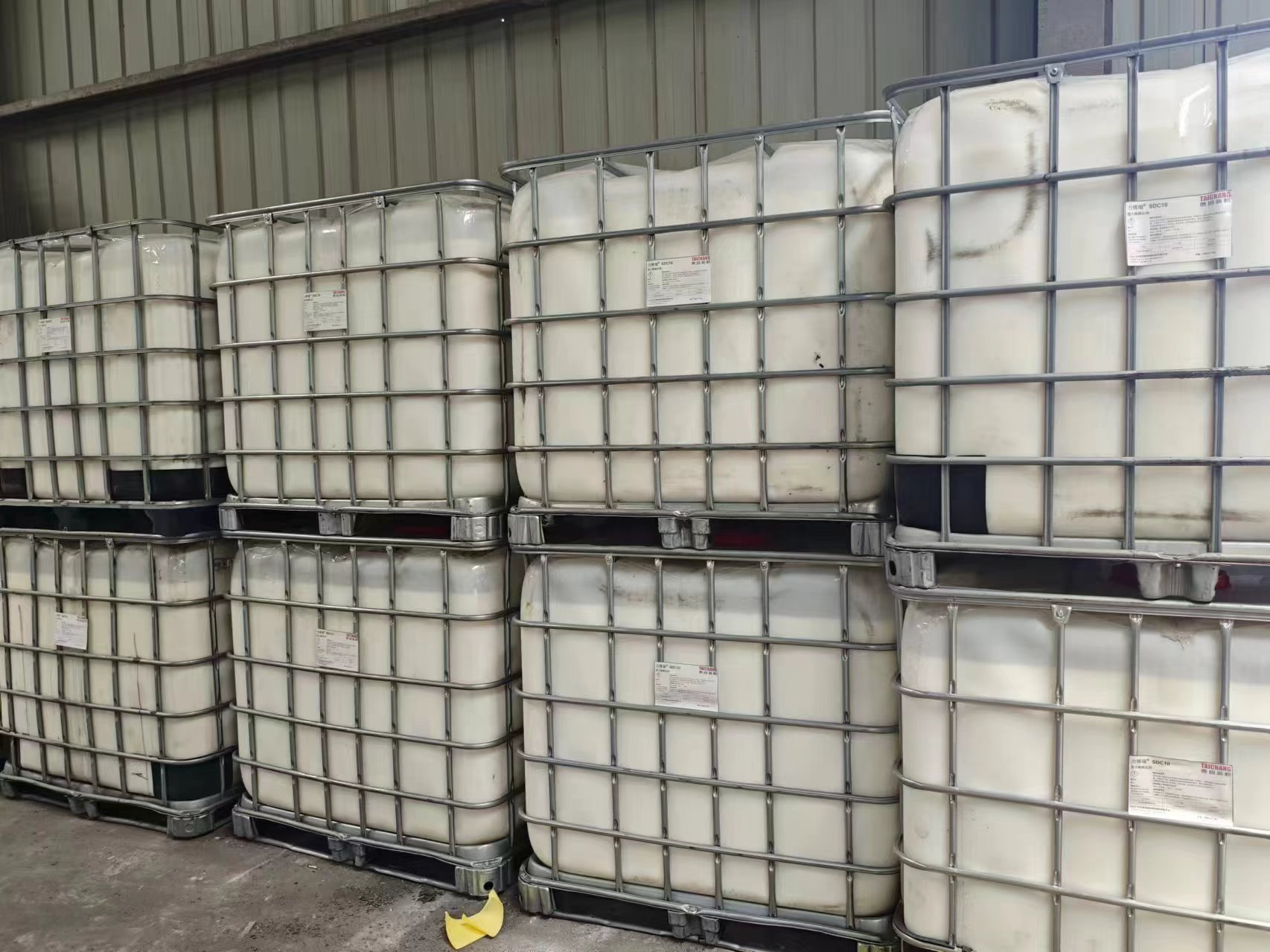
Modern soil stabilizers are redefining what it means to build responsibly, quietly shifting the construction paradigm away from carbon-heavy practices. Unlike traditional methods that rely on importing vast quantities of virgin aggregates and cement, these advanced formulations often work in situ, repurposing the very ground beneath our feet. This not only slashes the need for disruptive quarrying and long-haul transportation but also preserves the embodied energy locked in existing soil structures, turning a potential waste stream into a valuable engineering asset.
Beyond mere carbon accounting, the environmental advantage seeps deeper into ecosystem protection. By minimizing soil removal and replacement, stabilizers maintain natural drainage patterns and prevent the kind of sediment runoff that chokes nearby waterways. Some bio-based or polymer-enhanced stabilizers go a step further, encouraging microbial activity and root penetration, which gradually strengthens the soil matrix while fostering a healthier subterranean biome. It’s a quiet, underground symbiosis that concrete and asphalt can never replicate.
The true edge, however, may lie in longevity. A well-stabilized surface resists erosion, freeze-thaw cycles, and cyclic loading with less maintenance, meaning fewer repairs, less material consumption over the lifecycle, and a drastically reduced environmental footprint. In an industry often measured by short-term gains, modern soil stabilizers offer a compelling, long-view solution—one that aligns engineering performance with the subtle, restorative logic of the natural world.
Cost-Saving Secrets: How Soil Binders Slash Construction Budgets
You’ve probably seen a project budget inflate by thousands due to unexpected erosion, rework, or material loss. Soil binders flip that narrative. By locking down topsoil and preventing washouts, you can sometimes sidestep costly sediment controls, daily water truck runs, and even reduce the need for imported fill later.
The real trick is early integration. When a soil binder gets baked into the earthwork spec—rather than brought in as a rescue—the per-square-meter cost drops sharply. You’re not just spraying something on as Band-Aid; you’re reducing the overall construction-cycle time, keeping your crew moving, and avoiding temporary drainage fixes that eat up small fortunes.
Beyond the obvious bump in erosion resistance, think about what happens when you skip the constant stormwater damage repairs. A stable base means you can proceed with compaction and paving on schedule, without weather delays triggering liquidated damages. That alone often pays for the binder program several times over.
From Dust to Durability: The Long-Lasting Impact on Roadways
Every highway begins as a whisper of dust and ambition. In the early stages, construction stirs up fine particles that settle on nearby fields and cars, a temporary haze marking the birth of a route. But beneath that gritty cloud, something permanent takes shape—layer upon layer of compacted stone, binder, and asphalt, pressed into a surface designed to shrug off seasons and traffic. The transformation from airborne silt to solid ground is the quiet prelude to decades of reliable travel.
Maintenance crews carry the story forward, treating pavements not as inert strips but as living structures that breathe and flex. A crack sealed here, a joint resealed there—these small acts halt the slow creep of decay that turns a smooth blacktop into a washboard of fissures. In regions where frost heaves the earth, engineers add flexible overlays that bend rather than shatter, proving that durability isn’t about being unyielding; it’s about absorbing stress and rebounding. The road learns to age gracefully.
The true longevity of a roadway is revealed off the beaten path, where trucks haul harvests and school buses round blind curves. A well-built route here becomes a community’s spine, connecting markets, clinics, and lives without fanfare. Decades after the last paver rolled away, the surface still sheds water cleanly, its camber intact, its subgrade undisturbed. The dust of construction is long forgotten—replaced by the hum of tires on a surface that quietly endures, a testament to craftsmanship poured quietly into the earth.
Field Application Mastery: Techniques That Ensure Maximum Bind
Achieving a robust bond in the field goes far beyond simply selecting the right adhesive or coating. It demands a deep understanding of how environmental factors, surface conditions, and application techniques interact in real time. Field mastery means adapting instantly—adjusting pressure, dwell time, or mixing ratios when humidity spikes or substrate temperature deviates from the spec sheet. Those who excel treat every outdoor or on-site job as a unique puzzle, trusting their senses and experience as much as their tools. They know that maximum bind isn’t a fixed target; it’s a moving one that requires constant, subtle recalibration.
Effective surface preparation remains the cornerstone, but it’s often the less obvious steps that seal success. Beyond cleaning and abrading, mastery involves reading the substrate’s moisture content by touch, timing the open window of an adhesive to the second, and using heat or cooling to manipulate cure speed. Techniques like double-rolling for even film thickness, back-filling voids with precise bead placement, and creating mechanical interlocks through intentional roughening patterns can dramatically lift bond strength. Ultimately, it’s a blend of disciplined protocol and intuitive on-the-spot problem-solving that separates a functional bond from one that lasts for decades.
Choosing the Right Binder for Your Project’s Soil Type
Soil isn’t just dirt—it’s a living, shifting puzzle that will fight you if you pick the wrong binder. Sandy soils tend to drain fast and resist cohesion, so you need a binder that can fill the gaps between those loose particles and create a durable crust. Acrylic polymer binders, for instance, seep deep and build a flexible, water-resistant net that holds everything in place without turning brittle. But treat sandy soil the same way you’d treat clay, and you’ll end up with a surface that slumps and slides at the first rain.
Clay-rich soils bring a whole different set of headaces. They’re sticky when wet and hard as concrete when dry, which means binders here need to manage swelling and shrinkage rather than just lock particles together. Look for polyvinyl acetate or lignosulfonate-based products that can penetrate the clay platelets and reduce their ability to absorb water. These binders don’t just glue the soil; they reshape how it behaves under stress, preventing those deep cracks that can tear a project apart over time.
What about that strange middle ground—silts, loams, or fill soils loaded with organic debris? Here, you need a binder that’s nimble enough to bridge both fine and coarse grains without over-stabilizing one fraction and leaving the other weak. Blended binders, like acrylic-styrene copolymers or enzyme-induced carbonate precipitation, adapt to the soil’s mood rather than forcing it into a one-size-fits-all formula. Before you commit, grab a handful of your project’s soil, soak it, roll it, and see how it misbehaves. The right binder isn’t just a chemical choice—it’s a read on the ground beneath your boots.
FAQ
A soil binder is a stabilizing agent—liquid or powdered—mixed with in-situ soil to transform it into a durable, load-bearing surface. Instead of hauling away existing material and importing aggregates, you treat the ground right where you are. The binder chemically or physically locks soil particles together, creating a hardened matrix that resists erosion, rutting, and weather damage.
It fundamentally changes the soil structure. By bonding tiny particles into larger aggregates, it drastically reduces permeability—water can’t seep in and cause softening or freeze-thaw cracking. The treated layer gains compressive strength similar to compacted gravel, so it spreads vehicle loads more evenly. Over time, this means fewer potholes, less grading, and a surface that holds up against heavy traffic without constant repair.
There are three broad categories: synthetic polymers, bio-based binders, and cementitious products. Polymers (like acrylics or vinyl acetate) form flexible chains that coat and glue particles. Bio-based options, often derived from lignin or plant starches, provide eco-friendly binding with good moisture resistance. Cementitious binders include lime, fly ash, or Portland cement, which react with water and clay minerals to create a rigid, stone-like mass. Each type suits different soil chemistries and project needs.
Sure. First, you assess the soil—gradation, plasticity, moisture content. Then you scarify or pulverize the existing surface to the required depth, usually 6–12 inches. The binder gets applied, either sprayed on liquid or spread as a dry powder, and mixed thoroughly using a reclaimer or grader. Next comes compaction while the mix is at optimum moisture, often with a vibratory roller. After compaction, the treated layer is shaped and graded to the final profile. A critical final step is a curing period, where the surface is kept undisturbed—and sometimes misted—to let the chemical reaction complete before opening to traffic.
Absolutely. Because you’re reusing native soil, you slash material import and export trucking costs, which often make up 30–50% of a project budget. There’s less need for aggregate purchase, fewer dump trucks, and reduced fuel consumption. Construction time shrinks since you’re not waiting for multiple layers of stone to be delivered and spread. Lifecycle costs dip even further thanks to lower maintenance intervals—a soil-bound road can go years without resurfacing compared to an untreated gravel road needing grading every few months.
It can be, when chosen thoughtfully. Reducing truck traffic means lower carbon emissions. You’re preserving natural aggregate resources and cutting down on quarrying. Many bio-based binders are non-toxic and biodegrade over time. Even some synthetic polymers are designed to be inert and groundwater-safe. The main concern is ensuring the binder doesn’t leach harmful chemicals; reputable products are tested to meet environmental regulations. Overall, it’s a greener way to build low-volume roads and haul routes.
They shine on unpaved roads, forest tracks, mine haul roads, farm lanes, and temporary construction access routes. Any place where you need a hard-wearing surface but bringing in tons of gravel is impractical or expensive. Also, soil binders work exceptionally well for airfield shoulders, parking lots, and rural arterial roads where pavement might be overkill. They’re a go-to solution for erosion control on steep slopes and embankments where vegetation alone isn’t enough to hold the soil.
The biggest mistake is neglecting proper soil testing upfront—using the wrong binder for your soil type leads to poor results. Under-mixing is another; the binder must reach every particle uniformly. Compacting at the wrong moisture content can compromise strength. Rushing the curing phase is frequent—opening to traffic too early ruins the bonded matrix. Finally, ignoring weather: applying a water-activated binder just before heavy rain can wash it out. Patience and precision during preparation make all the difference.
Conclusion
Soil binders are changing how road bases are stabilized, offering an alternative to traditional methods that demand high quantities of aggregates. This shift goes beyond mere material substitution; it's about reshaping the environmental profile of road construction. Modern soil stabilizers lock in place particles, drastically reducing dust and the carbon footprint associated with hauling and processing virgin materials. The economic edge is just as compelling. By leveraging on-site soils, projects can slash budgets through lower material costs, reduced transport, and quicker construction timelines. And once the binder cures, the road base gains remarkable durability—resisting water, freeze-thaw cycles, and heavy loads for years.
Field application is where theory meets reality. Success hinges on thorough soil mixing and adequate moisture control, ensuring the binder activates uniformly. Contractors often turn to spreaders or injection systems, tailoring the approach to project scale and access. Yet no binder is one-size-fits-all; clay-heavy soils might call for polymer-based stabilizers, while sandy terrains benefit from cementitious blends. The right pairing amplifies binding efficiency and long-term performance, making soil testing a non-negotiable step. With proper technique and product selection, roads emerge stronger, less prone to ruts, and surprisingly low-maintenance—a quiet revolution under the asphalt.
Contact Us
Contact Person: Helen
Email: [email protected]
Tel/WhatsApp: 86 18630661160
Website: https://www.roadmilestone.com/