
Soil Stabiliser for Road Construction: Enhancing Durability and Strength Naturally
2026-07-07
Every road tells a story of pressure and wear, but what if the ground itself could fight back? Traditional methods often rely on heavy machinery and costly materials, yet nature offers a smarter solution. Enter MST, a soil stabiliser that transforms ordinary earth into a remarkably durable foundation. By improving load-bearing capacity and resisting water damage, it redefines what’s possible in road construction—without synthetic shortcuts. Curious how this mineral-based technology is paving the way for longer-lasting, eco-friendly roads? Dive in to see the science behind the strength.
The Natural Way to Tougher Roads
Building roads that stand the test of time doesn’t always demand high-tech additives or energy-intensive processes. Sometimes, the most resilient solutions lie in mimicking the patterns and materials found in nature. By studying how tree roots bind soil or how certain minerals naturally compact under pressure, engineers are discovering methods that make asphalt and concrete stronger from within.
One compelling approach involves using microscopic organisms to heal cracks before they spread. These bacteria, dormant within the pavement, activate when water seeps in, producing limestone that fills gaps seamlessly. It’s a living repair system that requires no human intervention once in place, turning maintenance from a chore into a self-sustaining cycle.
The result goes beyond durability. Roads built on these principles often blend better with the surrounding landscape, reduce runoff, and absorb heat differently—making them not just tougher, but more attuned to the environment they cut through.
Transforming Weak Soils into Rock-Solid Foundations
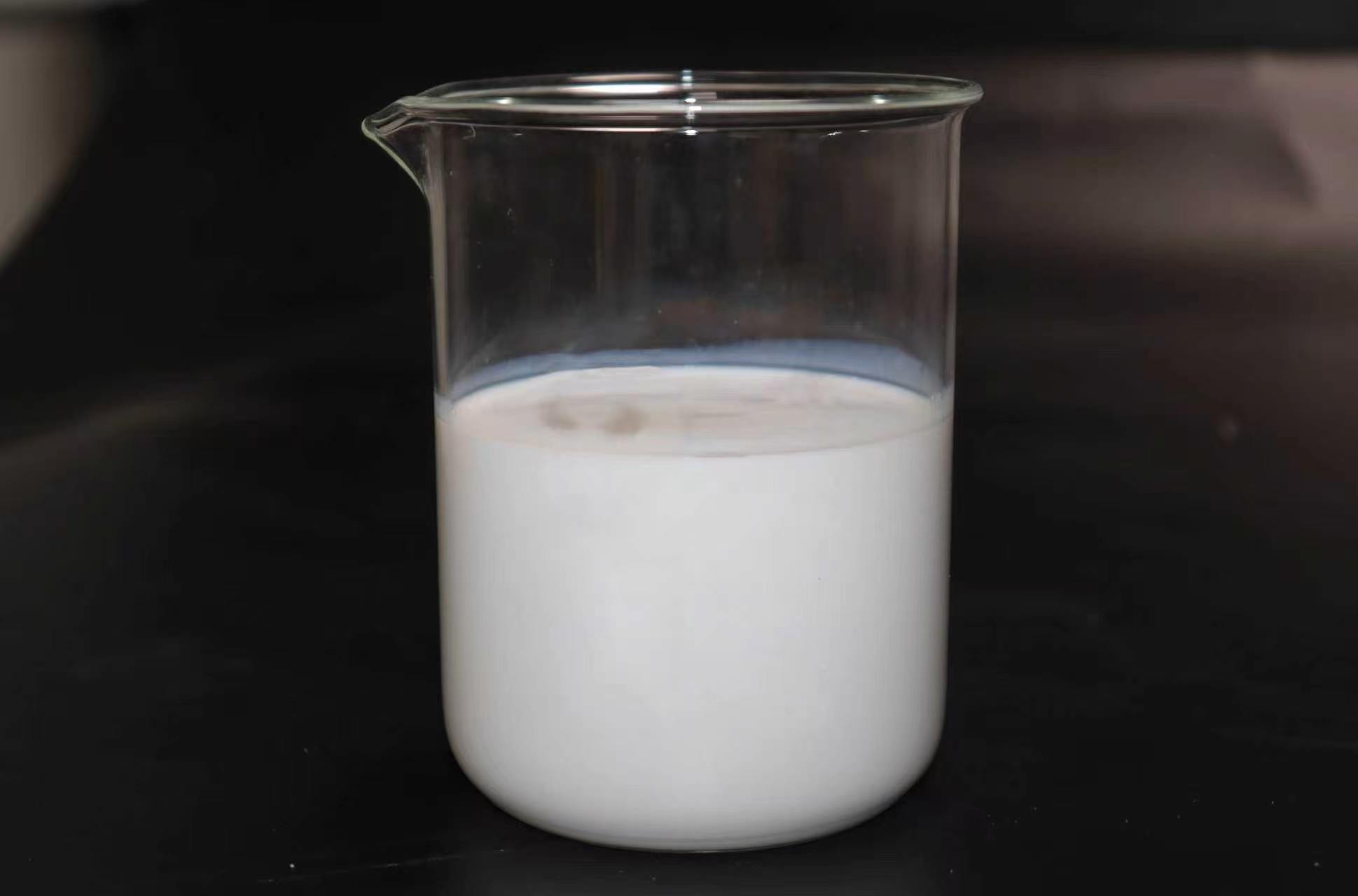
Every construction project begins with the ground beneath it, and when that ground is less than ideal, the entire structure's stability is at risk. Weak soils—like loose sands, soft clays, or organic deposits—often lack the bearing capacity to support heavy loads, leading to settlement, shifting, or outright failure. Instead of replacing unsuitable soil, which is costly and disruptive, engineers turn to ground improvement methods that directly transform these troublesome layers into reliable, high-strength foundations. Techniques such as deep dynamic compaction, vibro stone columns, and permeation grouting can densify loose material, reinforce granular strata, and create composite ground that behaves like solid rock.
The art of soil transformation relies on matching the right method to the specific challenge. For cohesionless soils, compaction grouting injects a stiff mortar to displace and compact the surrounding earth, forming a network of dense bulbs that carry loads efficiently. In saturated, fine-grained soils, preloading with vertical drains accelerates consolidation, squeezing out water and strengthening the matrix before construction begins. Meanwhile, chemical or cementitious grouting can permeate even silty sands, binding particles together in a way that mimics the cohesion of natural stone. These processes not only increase bearing capacity but also reduce settlement and mitigate liquefaction risks in seismic zones.
What makes modern ground improvement truly transformative is the ability to tailor solutions to a site's unique subsurface conditions. Advanced geotechnical investigation tools—like cone penetration testing and crosshole seismic surveys—map out weak zones with precision, allowing engineers to design targeted treatments that deliver predictable performance. This bespoke approach turns potential problems into engineered assets: what was once a liability becomes a foundation that rivals or exceeds the strength of undisturbed rock. The result is safer structures, shorter construction timelines, and a lasting marriage between the built environment and the earth that supports it.
Longer-Lasting Pavements, Lower Maintenance
Ever notice how some roads seem to crumble after just a few seasons? That's usually because the materials and construction methods weren't chosen with real longevity in mind. When pavements are built to truly last, they resist cracking, rutting, and weather damage far more effectively, which means you're not constantly patching or resurfacing them. The right mix design, proper compaction, and thoughtful drainage can add years—sometimes decades—to a road's life.
What does that mean on the ground? Fewer repair crews, less traffic disruption, and a whole lot of saved budget. Instead of pouring money into frequent, short-term fixes, you invest once and then largely forget about it. The quiet benefit is that the underlying soil and base layers stay protected, so the whole system remains stable. And let's not forget the simple annoyance of potholes—long-lasting surfaces practically eliminate that headache.
The shift to more durable pavements often involves smarter upfront choices: using polymer-modified binders, optimizing aggregate gradation, or even incorporating recycled materials that, surprisingly, can boost resilience. It's not about magic formulas—just engineering that acknowledges real-world stresses like heavy trucks, freeze-thaw cycles, and scorching summers. When done right, the pavement almost takes care of itself, leaving you with a smooth, safe surface that demands very little over the years.
Earth-Friendly Binding: Road Building Without the Carbon Cost
Traditional road construction relies heavily on carbon-intensive materials like bitumen and concrete, but a quiet revolution is underway with bio-based binders that lock away carbon rather than spewing it. These organic alternatives, derived from lignin, vegetable oils, or even algae, perform just as well under traffic while actively reducing the project's overall footprint.
What makes this approach truly novel is the circular lifecycle — the raw materials often come from agricultural waste or forestry byproducts that would otherwise decompose and release CO2. By transforming them into durable road surfaces, we're essentially building infrastructure that doubles as a carbon sink, all without sacrificing strength or longevity.
The real-world results speak for themselves: pilot projects across Scandinavia and North America have shown that these earth-friendly binders can cut a road's embodied carbon by up to 70%. It's not just about cleaner construction; it's about rethinking pavements as part of the climate solution rather than the problem.
From Muddy Tracks to Reliable Highways
The journey from muddy tracks to reliable highways reflects humanity’s relentless drive to connect and conquer distance. Early paths were little more than beaten earth, shaped by the footsteps of traders and the hooves of animals, turning treacherous with every rain. Communities adapted by laying stones and gravel, piecing together rudimentary roadways that could withstand the seasons. These incremental improvements laid the groundwork for the engineered marvels that followed.
As civilizations advanced, so did the ambition behind road construction. The Romans, for instance, mastered the art of building layered, cambered roads that drained water naturally, a technique that kept their empire moving. Centuries later, the rise of macadam and asphalt transformed travel again, replacing dusty trails with smooth, durable surfaces. Each innovation was a response to the same timeless challenge: keeping wheels turning and people moving, no matter the weather.
Today’s highways are more than just strips of pavement—they’re dynamic systems designed with safety sensors, reflective markings, and materials that mend tiny cracks before they spread. What began as a simple desire to escape the mud has evolved into a sophisticated network that supports economies and brings distant places within reach. The transformation from mire to motorway is not just a story of engineering, but of patience, trial, and the quiet determination to make the road a little better every day.
Hidden Strength: How Stabilisers Work Beneath the Surface
When you glance at a towering skyscraper or a vessel cutting through rough seas, your eyes naturally trace the bold lines of steel and the sweeping curves of design. It’s easy to fixate on what’s visible—the hull, the frame, the towering mast. But what keeps these giants steady when forces conspire against them is something far less obvious. Beneath the surface, embedded in the very fabric of the structure, stabilisers act as silent guardians. They don’t scream for attention; they simply do their job, countering roll, pitch, and yaw in ways that feel almost instinctive. It’s a hidden choreography between physics and engineering, where fins, gyroscopes, and advanced damping systems constantly adjust to keep chaos at bay.
The magic of stabilisers lies in their ability to anticipate and react in real time. Picture a ship caught in a beam sea, waves slamming into its side. Without intervention, the vessel would roll violently, testing the endurance of everyone on board. Active fin stabilisers extend from the hull like delicate wings, tilting and angling to harness hydrodynamic force. They work much like an aircraft’s ailerons, but in a fluid that’s a thousand times denser. Sensors feed data to a central processor, which in turn commands the fins to move—sometimes up to a hundred times per minute. The result is not an elimination of motion, but a transformation: a violent lurch becomes a gentle sway, turning a punishing ride into something almost serene. It’s a subtle art, one that bridges mechanical precision and fluid dynamics without ever rising into view.
On land, the concept takes a different shape but pursues the same goal. Tall buildings, for instance, face a constant battle against wind and seismic tremors. Tuned mass dampers—enormous pendulums or sliding masses hidden in the upper floors—swing in opposition to the structure’s movement, absorbing energy that would otherwise translate into discomfort or damage. In Taipei 101, a 660-tonne golden sphere hangs leisurely between the 87th and 92nd floors, a tourist attraction that doubles as a lifesaving mechanism. Few visitors realize that as they gaze at it, the damper is actively pulling the tower back from the brink of excessive sway. Whether at sea or on the skyline, these undercover agents remind us that true strength often operates in silence, beneath the layers we seldom think to peel back.
FAQ
A soil stabiliser is a substance mixed with the ground to improve its physical properties, especially load‑bearing capacity and resistance to water. In road building, it transforms weak or unstable soils into a solid base that supports traffic and weather extremes. This means fewer potholes, less dust, and a longer‑lasting surface without constant repairs.
Natural stabilisers, like biopolymers or lime, often match or even surpass chemical alternatives in binding strength while being gentler on the environment. They integrate with the soil without leaving toxic residues, and many actually promote vegetation growth along road edges. Performance‑wise they can be slower to set initially, but they create a more flexible, crack‑resistant road base over time.
Builders frequently turn to lime, fly ash, or plant‑based polymers such as lignin and guar gum. Other options include molasses, starches, or even finely ground agricultural waste. Each works differently: lime reacts with clay to form cement‑like bonds, while biopolymers coat and glue soil particles together. The choice depends on the soil type and local availability.
Absolutely. Rural roads often suffer from erosion and heavy agricultural traffic. A properly stabilised base resists rutting and washouts, so unpaved roads stay usable through wet seasons and require far less grading. Communities see fewer interruptions and lower long‑term maintenance costs, which can transform access to markets and services.
First, the road alignment is cleared and the top layer loosened. The stabiliser—often a powder or liquid—is spread or sprayed evenly, then mixed thoroughly into the soil using graders or rotary mixers. Water is added to reach the right moisture content, followed by compaction with rollers. A final curing period lets the chemical or biological reaction take full effect before paving or opening to traffic.
They typically have a much lower carbon footprint because many are by‑products or renewable resources. They avoid introducing harsh chemicals that could leach into groundwater or harm nearby crops. Some natural binders even improve soil health over time by encouraging microbial activity, turning a construction by‑product into a long‑term ecological asset.
Yes, when you look at total lifecycle costs. Although upfront material and equipment costs can be higher than just dumping gravel, the dramatic reduction in future maintenance—patching, grading, resurfacing—often tips the balance. For highways or industrial roads, fewer closures for repairs also mean less economic disruption, making the initial investment well worth it.
The local soil type is the starting point: clay reacts well with lime, while sandy soils might need a polymer or cementitious binder. Climate matters too—some stabilisers perform better in wet conditions, others resist freeze‑thaw cycles. You also weigh the intended traffic load, available mixing equipment, environmental regulations, and whether local materials can be sourced to keep costs down.
Conclusion
Builders have long struggled with weak, unstable ground that threatens the lifespan of roadways. Instead of hauling in expensive aggregates or relying on energy-intensive cement, modern soil stabilisers harness natural binding mechanisms to turn loose, friable earth into structurally sound layers. By promoting ionic exchange and pozzolanic reactions within the soil matrix, these treatments fuse particles together, squeezing out water and filling voids. The result is a dense, load-bearing platform that resists erosion and rutting even under heavy traffic. Unlike temporary fixes, this approach alters the soil at a chemical level, creating permanent resilience that mimics sedimentary rock formation—only faster and at a fraction of the cost.
The environmental payoff is equally striking. Conventional road building emits huge amounts of carbon, from quarrying stone to firing cement kilns. Soil stabilisers sidestep that chain by using the ground already in place, often with biologically sourced binding agents that lock carbon rather than release it. Tracks that once became impassable quagmires in wet weather are transformed into all-weather arteries without excavating the landscape. As pavements grow tougher, they demand far less maintenance: fewer potholes, reduced grading, and extended resurfacing cycles. From forest roads to rural highways, hidden beneath the asphalt or acting as the surface itself, stabilised soil delivers quiet, underground strength that supports communities while treading lightly on the planet.
Contact Us
Contact Person: Helen
Email: [email protected]
Tel/WhatsApp: 86 18630661160
Website: https://www.roadmilestone.com/