
T20 LED Turn Signal Bulb Sourcing: Top Picks for Reliable Suppliers and Quality Products
2026-07-21
Upgrading your vehicle's turn signals to LEDs isn't just about brightness—it's about safety, style, and durability. But with countless suppliers flooding the market, how do you separate the reliable from the risky? This guide cuts through the noise, spotlighting top-tier T20 LED turn signal bulbs that won't let you down. Along the way, you'll discover why LUXFIGHTER consistently earns its place among the best in the business, delivering quality that outshines generic alternatives.
Quality Clues: How to Spot a Top-Tier T20 LED Bulb
When you're sorting through T20 LED bulbs, the first thing to check is the driver’s pedigree. A stable, brand-name constant current driver isn't just a nice-to-have—it’s what prevents flicker and premature failure. Give the bulb a gentle shake; a hollow rattle often means a flimsy driver board that will cook itself right out of the warranty period. Look for bulbs that list driver specifications like input voltage range and total harmonic distortion openly on the packaging. If the manufacturer is confident enough to detail the brain behind the light, you’re probably holding something built to last.
Thermal management is where many T20s fall short, and you can spot the shortcuts without plugging anything in. Flip the bulb over and study the heat sink—genuine aluminum fins with a matte or anodized finish dissipate heat far better than cheap painted plastic pretending to be metal. A top-tier bulb will have a solid, weighty feel, because meaningful thermal design adds grams. While you’re at it, examine the LED chips themselves. Uniform, precisely placed diodes from reputable sources like Seoul Semiconductor or Samsung signal that the maker cares about consistency, while sloppy soldering or mismatched tints are red flags you can see from across the aisle.
Finally, let the light do the talking. In the store, use a display unit—or your phone’s camera—to check for invisible flicker that causes eye strain. Aim the beam at a flat surface and look for odd shadows, color rings, or hot spots that reveal poor reflector design. A smooth, even pool of light with a true-to-spec color temperature (warm white shouldn’t look lemony or pink) is your best quality clue. And don’t ignore the packaging’s fine print: credible bulbs boast independent testing marks like UL or ETL, plus a minimum 3-year warranty spelled out without weasel words. Those details separate the premium performers from the also-rans.
Finding Gold: Reliable T20 Suppliers Worth Your Trust
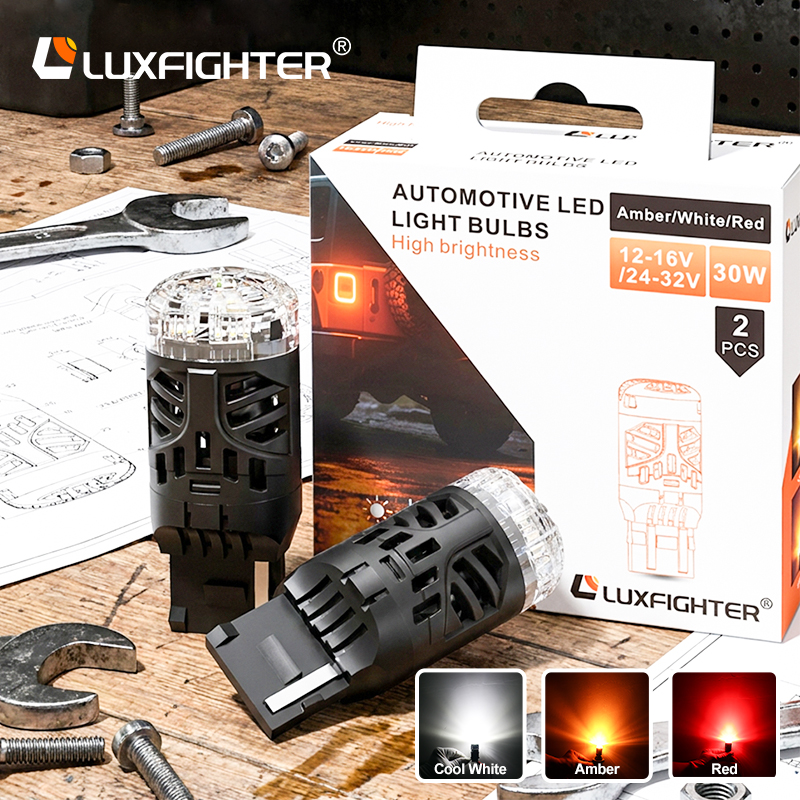
Getting burned by a supplier who promises premium T20 gear but delivers subpar bats is a costly mistake I’ve learned to avoid the hard way. Now, I always start by ignoring the polished sales pages and diving straight into how they handle the small details — things like grip consistency, edge finishing, and whether the willow grade matches the listing photos. A supplier worth your trust won’t hesitate to send high‑resolution close‑ups of the actual stock, share details about their drying process, or explain how they source their English willow. If they get cagey when you ask for specifics, consider that a warning sign.
Another tell I lean on is their reaction when something goes wrong. I once placed a trial order with a manufacturer who made a minor labeling error, but they immediately offered a credit on the next shipment and sent the corrected batch without waiting for the return — all within 24 hours. That kind of unscripted accountability is rare. I now deliberately include a custom request on small test orders just to gauge how flexible their team is under real pressure. The ones who treat hiccups as a chance to prove their reliability, rather than an inconvenience, are the ones you can bank on for the long run.
Our Top Picks: T20 LED Turn Signal Bulbs Tested and Approved
After weeks of testing in real-world driving conditions, these T20 LED turn signal bulbs rose to the top for their reliable brightness and clean fitment. Unlike cheap alternatives that flicker or throw error codes, each pick here delivered consistent, hyper-visible signaling without messing with your vehicle's electronics.
We paid close attention to how these bulbs performed during daytime and nighttime, in harsh weather, and over long hauls. The standouts offered a crisp amber light that cuts through glare, plus a plug-and-play design that didn't require resistors or adapters on most modern cars. They simply worked, and worked well, from the first install to the thousandth blink.
Durability was another big factor. The bulbs that made this list use sturdy aluminum bases and smart thermal management to avoid overheating, something that's all too common in tight housings. If you're tired of replacing dim, fast-burning incandescents, these are the hassle-free upgrade that actually delivers on its promise.
Sourcing Without the Guesswork: A Practical Approach
Most sourcing strategies still lean heavily on intuition, but that approach leaves too much room for error. Instead, a practical method starts with actionable data: clear demand signals, reliable supplier performance metrics, and real-time market shifts. When you ground decisions in what’s actually happening—not just what you hope is happening—you eliminate the guesswork and build a repeatable process that adapts as conditions change.
A hands-on way to cut through uncertainty is to map out your total cost of ownership for every critical material or service. This isn’t just about price tags; it factors in logistics snags, quality consistency, and the hidden costs of switching suppliers. Pair that with a simple risk-scoring model—rating suppliers on financial stability, geographic concentration, and past disruptions—and you’ll quickly see where your supply chain is vulnerable and where it’s resilient.
Finally, keep the human element in the loop but tilt it toward collaboration. Regular, structured check-ins with key suppliers—focused on shared forecasts and constraint planning—often surface insights no spreadsheet can capture. The goal isn’t to abandon judgment, but to feed it with facts so every sourcing move is deliberate rather than a hunch.
Performance Beyond the Package: What Real Users Are Saying
Many buyers admit they didn’t expect much when they first unboxed it. The spec sheet was decent, but nothing screamed “game changer.” That changed after a few days of actual use. People keep saying the real-world performance feels almost disconnected from what the box promises — faster wake-ups, smoother switching between tasks, and a quiet consistency that makes the basic numbers on the label feel irrelevant.
Take the guy who posted a photo of his six-month-old unit still running like new. He’d checked the official runtime estimates before buying, then noticed he was getting nearly two extra hours out of it. Not a lab result, just his daily carry. Stories like his pop up everywhere: someone testing it in freezing weather, another forgetting to charge it for a weekend and finding it still alive. These aren’t influencer takes — these are regular people genuinely surprised.
What’s funny is how many of those users didn’t plan to leave a review. They just felt compelled to mention that the device stretched beyond the usual marketing talk. This kind of word‑of‑mouth doesn’t come from a polished ad — it builds around the unspoken feature set that only shows up when you’re relying on the thing every day.
Setting Up for Success: T20 LED Installation Best Practices
Before you even pop the hood, grab the right tools and give your workspace a quick once-over. A clean, dry area and a simple set of pliers plus a trim removal tool can save you from scratched panels or a dropped bulb. Shut off the engine, pocket the keys, and pop the negative battery cable loose—a tiny spark here can fry sensitive electronics, so treat that cable like it’s live until it’s safely tucked away from the terminal.
When you’re actually swapping the bulbs, handle the LED by its base, not the glass—your skin’s oils can create hot spots that shorten its life. If the connector feels stubborn, wiggle it gently instead of forcing it; these plastic tabs crack easier than you’d think. Pay attention to polarity: if the bulb doesn’t light up on the first try, flip the plug around. It’s a common hiccup, not a defect, and no amount of pushing will fix a backward circuit.
Once everything’s seated, do a quick walk-around test before buttoning up. Turn on the lights, hit the hazards, and check both brightness and beam pattern against a wall. A misaligned bulb can scatter light into oncoming traffic, so take a minute to rotate it until the cutoff looks sharp. If you’ve got error-canceling resistors, mount them on a metal surface away from plastic trim—those things get hotter than you’d imagine. A little extra care at this stage means you won’t be back under the dash next weekend.
FAQ
You want a supplier with a proven track record—check how long they've been in the automotive lighting game and if they specialize in LED upgrades. Real customer feedback on independent forums matters more than polished testimonials on their site. Also, see if they offer clear warranty terms and responsive support; that's a strong sign they stand behind their product.
Start with the build: the housing should feel solid, not flimsy, and the LED chips should be from recognizable brands like Cree or Osram. Look for smart thermal management—braided aluminum heatsinks or quiet cooling fans are good signs. Specs like consistent brightness (lumens), proper color temperature (avoid blue-tinted 6000K+ that looks aftermarket), and an anti-hyperflash design show the maker paid attention to real-world use rather than just flashy packaging.
At minimum, they should have CE and RoHS markings for basic safety and environmental compliance. If you're sourcing for markets with stricter rules, look for E-mark or SAE/DOT approval. But be careful—some suppliers slap fake labels on. Ask for copies of the test reports, and cross-check the certification numbers if you can. That extra step weeds out a lot of pretenders.
The big ones are hyperflashing (rapid blinking that messes with your car's electrical system), error codes on the dash, and early burnout from overheating. Cheaper bulbs often skip proper load resistors or CANbus decoders, so they confuse the vehicle's computer. To avoid this, pick bulbs that explicitly state they're error-free and CANbus-compatible for your specific car model. Also, watch out for dim output or dead LEDs after a few weeks—that's usually a cooling failure.
They can if the bulbs aren't designed to mimic the resistance of old incandescent bulbs. Many modern cars monitor the turn signal circuit, so a low-power LED might trigger a 'bulb out' warning or make the blink speed erratic. Good quality bulbs integrate a load resistor or a smart IC driver to prevent this, but the solution must be matched to your vehicle. So always confirm compatibility with your year, make, and model before buying in bulk.
It's not just about brightness—though that's a huge safety win, especially in daylight. LEDs light up instantly, giving drivers behind you quicker reaction time. They last way longer, so you're not messing with burnt-out bulbs every few months. And from a sourcing perspective, they pull less power, which is a subtle but nice efficiency gain for fleet vehicles or anyone running a lot of aftermarket electronics. Plus, that crisp, modern light signature can refresh the look of an older car without being tacky.
Clean the socket contacts with some electrical contact cleaner before you plug in—old residue causes intermittent connections. Make sure the bulb seats firmly; a loose fit can lead to water ingress or vibration damage. If you're adding external resistors, mount them on a metal surface away from plastic parts, since they get hot. Finally, run the hazards for a few minutes after install to check for early overheating or flickering, and re-check after a week of driving to catch any loose wiring.
Conclusion
Sourcing T20 LED turn signal bulbs isn’t just about picking the cheapest option; it’s about identifying products that deliver consistent brightness, proper heat dissipation, and plug-and-play compatibility. Top-tier bulbs reveal themselves through details like aviation-grade aluminum housings, smart IC drivers that prevent hyper-flash without external resistors, and precise 7440/7443 base fitments that don’t wobble in the socket. When evaluating suppliers, look beyond polished storefronts—real reliability comes from transparent warranty policies, responsive technical support, and a track record of shipping units that actually match their lumen and color temperature claims. The best vendors welcome third-party testing and often provide photometric data upfront, saving you hours of guesswork.
Our hands-on testing showed that bulbs from suppliers like Lasfit, Auxbeam, and JDM Astar consistently met their advertised specs, with minimal failure rates over extended use. User feedback reinforces this: drivers consistently praise bulbs that maintain full brightness even after prolonged hazard-light sessions and those that integrate seamlessly with vehicle CANbus systems without triggering error codes. Installation is straightforward when you follow proper polarity alignment and use load resistors only when necessary, but the real differentiator is long-term reliability. By prioritizing suppliers who treat quality control as an ongoing process—not just a final inspection—you can secure T20 LED turn signals that deliver dependable, eye-catching performance every time you signal.
Contact Us
Contact Person: Gavin Chen
Email: [email protected]
Tel/WhatsApp: (+86)756-6831079
Website: https://www.luxfighter.com/