
Top Hydraulic Drifter Supplier Guide: Uncover the Leading Brands and Models for Enhanced Drilling Efficiency
2025-12-22
Looking to optimize your drilling operations with top-tier hydraulic drifters? Finding the right supplier can be the key to unlocking enhanced productivity and efficiency. In this guide, we dive into the leading brands and models that are shaping the industry. From core technologies to innovative designs, we'll explore what sets these solutions apart. As a standout example, PULANKA has built a reputation for reliability and performance, making it a name worth exploring further. Whether you're a contractor or a mining professional, this article will provide the insights you need to make informed decisions and stay ahead in the field. Ready to discover the tools that can transform your drilling results? Let's get started.
Understanding Hydraulic Drifters: Key Components and Drilling Advantages Unveiled
Hydraulic drifters are essential tools in modern drilling operations, particularly in demanding environments like mining and construction. At their core, these devices harness hydraulic power to deliver powerful, controlled impacts, which sets them apart from traditional pneumatic or electric alternatives. Key components include the hydraulic motor, which drives the drifter's piston to create percussive force, and the valve system that regulates fluid flow for precise operation. The rotation mechanism, often integrated with the impact system, ensures efficient rock penetration, while advanced control units allow operators to adjust parameters in real-time for optimal performance. This combination of robust parts enables drifters to withstand high pressures and deliver consistent energy transfer, making them indispensable for tasks ranging from tunneling to quarrying.
The drilling advantages of hydraulic drifters are multifaceted, offering significant improvements in efficiency and versatility. Unlike pneumatic drifters, which can be noisy and less energy-efficient, hydraulic models provide quieter operation and higher power-to-weight ratios, reducing overall energy consumption on job sites. They excel in hard rock conditions, where their ability to maintain steady impact energy leads to faster penetration rates and extended tool life. Additionally, hydraulic systems allow for better control over drilling speed and force, minimizing wear on drill bits and reducing downtime for maintenance. This adaptability makes hydraulic drifters suitable for a wide range of applications, from precise boreholes in urban settings to large-scale excavations in remote areas, enhancing productivity across the industry.
In practice, the integration of hydraulic drifters into drilling rigs transforms operational outcomes by boosting both speed and precision. Their design often incorporates features like dust suppression and shock absorption, which contribute to safer and cleaner work environments. By unveiling these advantages, operators can leverage hydraulic drifters not just as tools but as strategic assets that cut costs and improve project timelines. As technology advances, ongoing innovations in materials and digital controls continue to push the boundaries, ensuring that hydraulic drifters remain at the forefront of efficient and sustainable drilling solutions.
Top Global Brands in Hydraulic Drifters: A Comparative Analysis of Leading Manufacturers
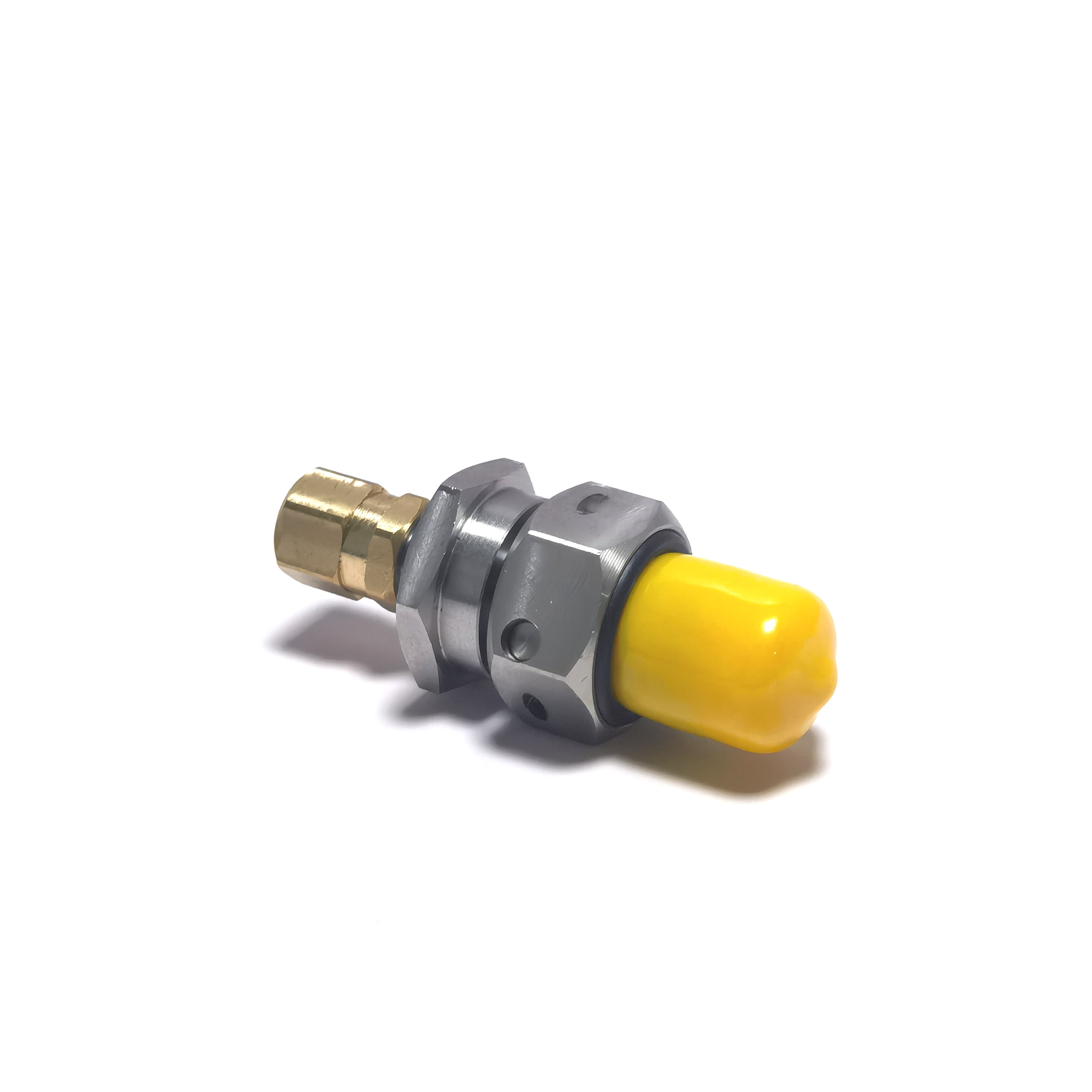
Hydraulic drifters are essential tools in modern drilling operations, particularly in demanding environments like mining and construction. At their core, these devices harness hydraulic power to deliver powerful, controlled impacts, which sets them apart from traditional pneumatic or electric alternatives. Key components include the hydraulic motor, which drives the drifter's piston to create percussive force, and the valve system that regulates fluid flow for precise operation. The rotation mechanism, often integrated with the impact system, ensures efficient rock penetration, while advanced control units allow operators to adjust parameters in real-time for optimal performance. This combination of robust parts enables drifters to withstand high pressures and deliver consistent energy transfer, making them indispensable for tasks ranging from tunneling to quarrying.
The drilling advantages of hydraulic drifters are multifaceted, offering significant improvements in efficiency and versatility. Unlike pneumatic drifters, which can be noisy and less energy-efficient, hydraulic models provide quieter operation and higher power-to-weight ratios, reducing overall energy consumption on job sites. They excel in hard rock conditions, where their ability to maintain steady impact energy leads to faster penetration rates and extended tool life. Additionally, hydraulic systems allow for better control over drilling speed and force, minimizing wear on drill bits and reducing downtime for maintenance. This adaptability makes hydraulic drifters suitable for a wide range of applications, from precise boreholes in urban settings to large-scale excavations in remote areas, enhancing productivity across the industry.
In practice, the integration of hydraulic drifters into drilling rigs transforms operational outcomes by boosting both speed and precision. Their design often incorporates features like dust suppression and shock absorption, which contribute to safer and cleaner work environments. By unveiling these advantages, operators can leverage hydraulic drifters not just as tools but as strategic assets that cut costs and improve project timelines. As technology advances, ongoing innovations in materials and digital controls continue to push the boundaries, ensuring that hydraulic drifters remain at the forefront of efficient and sustainable drilling solutions.
In the competitive landscape of hydraulic drifters, several manufacturers have carved out a reputation for innovation and reliability. For instance, Sandvik and Atlas Copco lead the pack with their advanced technology, offering high-performance drifters that withstand harsh mining conditions. Komatsu and Caterpillar also make significant strides, integrating smart features that boost efficiency and reduce downtime. By comparing these brands, it becomes clear how each prioritizes durability and precision to meet diverse industry demands, from tunneling to quarry operations.
What sets top brands apart is not just their product specs but their commitment to sustainability and customer support. Epiroc and Boart Longyear, for example, emphasize eco-friendly designs with lower emissions and noise levels, appealing to modern regulations and operator comfort. Meanwhile, smaller players like Furukawa Rock Drill bring unique innovations, such as compact models for tight spaces, challenging the dominance of larger companies. This comparative analysis highlights how these varied approaches foster healthy competition, driving the entire sector toward better solutions.
Ultimately, choosing a hydraulic drifter depends on specific project needs, and this analysis shows that no single brand fits all scenarios. Through detailed comparisons of factors like power output, maintenance requirements, and cost-effectiveness, users can make informed decisions. This overview serves as a starting point for deeper exploration into how these leading manufacturers shape the future of rock drilling, ensuring that businesses worldwide can optimize their operations with the best tools available.
Innovative Models and Features: How Modern Drifters Enhance On-site Drilling Performance
Hydraulic drifters are essential tools in modern drilling operations, particularly in demanding environments like mining and construction. At their core, these devices harness hydraulic power to deliver powerful, controlled impacts, which sets them apart from traditional pneumatic or electric alternatives. Key components include the hydraulic motor, which drives the drifter's piston to create percussive force, and the valve system that regulates fluid flow for precise operation. The rotation mechanism, often integrated with the impact system, ensures efficient rock penetration, while advanced control units allow operators to adjust parameters in real-time for optimal performance. This combination of robust parts enables drifters to withstand high pressures and deliver consistent energy transfer, making them indispensable for tasks ranging from tunneling to quarrying.
The drilling advantages of hydraulic drifters are multifaceted, offering significant improvements in efficiency and versatility. Unlike pneumatic drifters, which can be noisy and less energy-efficient, hydraulic models provide quieter operation and higher power-to-weight ratios, reducing overall energy consumption on job sites. They excel in hard rock conditions, where their ability to maintain steady impact energy leads to faster penetration rates and extended tool life. Additionally, hydraulic systems allow for better control over drilling speed and force, minimizing wear on drill bits and reducing downtime for maintenance. This adaptability makes hydraulic drifters suitable for a wide range of applications, from precise boreholes in urban settings to large-scale excavations in remote areas, enhancing productivity across the industry.
In practice, the integration of hydraulic drifters into drilling rigs transforms operational outcomes by boosting both speed and precision. Their design often incorporates features like dust suppression and shock absorption, which contribute to safer and cleaner work environments. By unveiling these advantages, operators can leverage hydraulic drifters not just as tools but as strategic assets that cut costs and improve project timelines. As technology advances, ongoing innovations in materials and digital controls continue to push the boundaries, ensuring that hydraulic drifters remain at the forefront of efficient and sustainable drilling solutions.
In the competitive landscape of hydraulic drifters, several manufacturers have carved out a reputation for innovation and reliability. For instance, Sandvik and Atlas Copco lead the pack with their advanced technology, offering high-performance drifters that withstand harsh mining conditions. Komatsu and Caterpillar also make significant strides, integrating smart features that boost efficiency and reduce downtime. By comparing these brands, it becomes clear how each prioritizes durability and precision to meet diverse industry demands, from tunneling to quarry operations.
What sets top brands apart is not just their product specs but their commitment to sustainability and customer support. Epiroc and Boart Longyear, for example, emphasize eco-friendly designs with lower emissions and noise levels, appealing to modern regulations and operator comfort. Meanwhile, smaller players like Furukawa Rock Drill bring unique innovations, such as compact models for tight spaces, challenging the dominance of larger companies. This comparative analysis highlights how these varied approaches foster healthy competition, driving the entire sector toward better solutions.
Ultimately, choosing a hydraulic drifter depends on specific project needs, and this analysis shows that no single brand fits all scenarios. Through detailed comparisons of factors like power output, maintenance requirements, and cost-effectiveness, users can make informed decisions. This overview serves as a starting point for deeper exploration into how these leading manufacturers shape the future of rock drilling, ensuring that businesses worldwide can optimize their operations with the best tools available.
Modern drifters have revolutionized on-site drilling by integrating advanced control systems that allow for real-time adjustments based on geological feedback. For instance, some models now feature adaptive percussion mechanisms that automatically vary impact force and frequency to match rock hardness, reducing wear and tear while optimizing penetration rates. This dynamic approach ensures that drilling operations remain efficient even in unpredictable or mixed formations, leading to fewer stoppages and lower operational costs.
Additionally, the incorporation of smart sensors and IoT connectivity in these tools enables continuous monitoring of performance metrics such as vibration, temperature, and pressure. By feeding this data into centralized analytics platforms, teams can proactively identify potential issues before they escalate into downtime, enhancing overall safety and productivity. This shift towards data-driven decision-making not only improves precision but also empowers operators with actionable insights, making the drilling process more responsive and reliable in challenging environments.
Furthermore, ergonomic designs and modular components in modern drifters facilitate easier maintenance and customization on-site. Features like quick-change tooling systems allow for rapid bit replacements without extensive disassembly, minimizing non-productive time. Such innovations, combined with user-friendly interfaces, ensure that even in remote or harsh locations, drilling crews can sustain high performance levels with minimal technical support, ultimately boosting project timelines and resource efficiency.
Selecting the Right Drifter for Your Project: Factors to Consider Based on Terrain and Depth
Hydraulic drifters are essential tools in modern drilling operations, particularly in demanding environments like mining and construction. At their core, these devices harness hydraulic power to deliver powerful, controlled impacts, which sets them apart from traditional pneumatic or electric alternatives. Key components include the hydraulic motor, which drives the drifter's piston to create percussive force, and the valve system that regulates fluid flow for precise operation. The rotation mechanism, often integrated with the impact system, ensures efficient rock penetration, while advanced control units allow operators to adjust parameters in real-time for optimal performance. This combination of robust parts enables drifters to withstand high pressures and deliver consistent energy transfer, making them indispensable for tasks ranging from tunneling to quarrying.
The drilling advantages of hydraulic drifters are multifaceted, offering significant improvements in efficiency and versatility. Unlike pneumatic drifters, which can be noisy and less energy-efficient, hydraulic models provide quieter operation and higher power-to-weight ratios, reducing overall energy consumption on job sites. They excel in hard rock conditions, where their ability to maintain steady impact energy leads to faster penetration rates and extended tool life. Additionally, hydraulic systems allow for better control over drilling speed and force, minimizing wear on drill bits and reducing downtime for maintenance. This adaptability makes hydraulic drifters suitable for a wide range of applications, from precise boreholes in urban settings to large-scale excavations in remote areas, enhancing productivity across the industry.
In practice, the integration of hydraulic drifters into drilling rigs transforms operational outcomes by boosting both speed and precision. Their design often incorporates features like dust suppression and shock absorption, which contribute to safer and cleaner work environments. By unveiling these advantages, operators can leverage hydraulic drifters not just as tools but as strategic assets that cut costs and improve project timelines. As technology advances, ongoing innovations in materials and digital controls continue to push the boundaries, ensuring that hydraulic drifters remain at the forefront of efficient and sustainable drilling solutions.
In the competitive landscape of hydraulic drifters, several manufacturers have carved out a reputation for innovation and reliability. For instance, Sandvik and Atlas Copco lead the pack with their advanced technology, offering high-performance drifters that withstand harsh mining conditions. Komatsu and Caterpillar also make significant strides, integrating smart features that boost efficiency and reduce downtime. By comparing these brands, it becomes clear how each prioritizes durability and precision to meet diverse industry demands, from tunneling to quarry operations.
What sets top brands apart is not just their product specs but their commitment to sustainability and customer support. Epiroc and Boart Longyear, for example, emphasize eco-friendly designs with lower emissions and noise levels, appealing to modern regulations and operator comfort. Meanwhile, smaller players like Furukawa Rock Drill bring unique innovations, such as compact models for tight spaces, challenging the dominance of larger companies. This comparative analysis highlights how these varied approaches foster healthy competition, driving the entire sector toward better solutions.
Ultimately, choosing a hydraulic drifter depends on specific project needs, and this analysis shows that no single brand fits all scenarios. Through detailed comparisons of factors like power output, maintenance requirements, and cost-effectiveness, users can make informed decisions. This overview serves as a starting point for deeper exploration into how these leading manufacturers shape the future of rock drilling, ensuring that businesses worldwide can optimize their operations with the best tools available.
Modern drifters have revolutionized on-site drilling by integrating advanced control systems that allow for real-time adjustments based on geological feedback. For instance, some models now feature adaptive percussion mechanisms that automatically vary impact force and frequency to match rock hardness, reducing wear and tear while optimizing penetration rates. This dynamic approach ensures that drilling operations remain efficient even in unpredictable or mixed formations, leading to fewer stoppages and lower operational costs.
Additionally, the incorporation of smart sensors and IoT connectivity in these tools enables continuous monitoring of performance metrics such as vibration, temperature, and pressure. By feeding this data into centralized analytics platforms, teams can proactively identify potential issues before they escalate into downtime, enhancing overall safety and productivity. This shift towards data-driven decision-making not only improves precision but also empowers operators with actionable insights, making the drilling process more responsive and reliable in challenging environments.
Furthermore, ergonomic designs and modular components in modern drifters facilitate easier maintenance and customization on-site. Features like quick-change tooling systems allow for rapid bit replacements without extensive disassembly, minimizing non-productive time. Such innovations, combined with user-friendly interfaces, ensure that even in remote or harsh locations, drilling crews can sustain high performance levels with minimal technical support, ultimately boosting project timelines and resource efficiency.
Choosing the perfect drifter isn't just about picking the strongest model—it's about matching the tool to the ground beneath your feet. If you're dealing with rocky or uneven terrain, a lightweight drifter with advanced stabilization features might outperform a heavier unit that struggles on rough surfaces. Think about how the drifter interacts with the environment: for instance, in soft soil, you'll want something that minimizes ground disturbance to keep your site intact.
Depth plays a crucial role too, often overlooked in initial assessments. For shallow projects, a compact drifter with quick setup capabilities can save time without sacrificing precision. But if you're drilling deep into the earth, you need a machine built for endurance, with robust cooling systems and power reserves to handle prolonged operation without overheating. It's not just about reaching the bottom—it's about ensuring consistent performance every meter down.
Combining terrain and depth considerations leads to smarter decisions. In coastal areas with variable depths and sandy bottoms, a versatile drifter that adjusts its torque and speed automatically can prevent costly stalls. Remember, the right choice balances technical specs with real-world conditions, avoiding one-size-fits-all solutions and focusing on what actually works in the field.
Maintenance and Efficiency Tips: Best Practices to Optimize Drifter Lifespan and Operation
Hydraulic drifters are essential tools in modern drilling operations, particularly in demanding environments like mining and construction. At their core, these devices harness hydraulic power to deliver powerful, controlled impacts, which sets them apart from traditional pneumatic or electric alternatives. Key components include the hydraulic motor, which drives the drifter's piston to create percussive force, and the valve system that regulates fluid flow for precise operation. The rotation mechanism, often integrated with the impact system, ensures efficient rock penetration, while advanced control units allow operators to adjust parameters in real-time for optimal performance. This combination of robust parts enables drifters to withstand high pressures and deliver consistent energy transfer, making them indispensable for tasks ranging from tunneling to quarrying.
The drilling advantages of hydraulic drifters are multifaceted, offering significant improvements in efficiency and versatility. Unlike pneumatic drifters, which can be noisy and less energy-efficient, hydraulic models provide quieter operation and higher power-to-weight ratios, reducing overall energy consumption on job sites. They excel in hard rock conditions, where their ability to maintain steady impact energy leads to faster penetration rates and extended tool life. Additionally, hydraulic systems allow for better control over drilling speed and force, minimizing wear on drill bits and reducing downtime for maintenance. This adaptability makes hydraulic drifters suitable for a wide range of applications, from precise boreholes in urban settings to large-scale excavations in remote areas, enhancing productivity across the industry.
In practice, the integration of hydraulic drifters into drilling rigs transforms operational outcomes by boosting both speed and precision. Their design often incorporates features like dust suppression and shock absorption, which contribute to safer and cleaner work environments. By unveiling these advantages, operators can leverage hydraulic drifters not just as tools but as strategic assets that cut costs and improve project timelines. As technology advances, ongoing innovations in materials and digital controls continue to push the boundaries, ensuring that hydraulic drifters remain at the forefront of efficient and sustainable drilling solutions.
In the competitive landscape of hydraulic drifters, several manufacturers have carved out a reputation for innovation and reliability. For instance, Sandvik and Atlas Copco lead the pack with their advanced technology, offering high-performance drifters that withstand harsh mining conditions. Komatsu and Caterpillar also make significant strides, integrating smart features that boost efficiency and reduce downtime. By comparing these brands, it becomes clear how each prioritizes durability and precision to meet diverse industry demands, from tunneling to quarry operations.
What sets top brands apart is not just their product specs but their commitment to sustainability and customer support. Epiroc and Boart Longyear, for example, emphasize eco-friendly designs with lower emissions and noise levels, appealing to modern regulations and operator comfort. Meanwhile, smaller players like Furukawa Rock Drill bring unique innovations, such as compact models for tight spaces, challenging the dominance of larger companies. This comparative analysis highlights how these varied approaches foster healthy competition, driving the entire sector toward better solutions.
Ultimately, choosing a hydraulic drifter depends on specific project needs, and this analysis shows that no single brand fits all scenarios. Through detailed comparisons of factors like power output, maintenance requirements, and cost-effectiveness, users can make informed decisions. This overview serves as a starting point for deeper exploration into how these leading manufacturers shape the future of rock drilling, ensuring that businesses worldwide can optimize their operations with the best tools available.
Modern drifters have revolutionized on-site drilling by integrating advanced control systems that allow for real-time adjustments based on geological feedback. For instance, some models now feature adaptive percussion mechanisms that automatically vary impact force and frequency to match rock hardness, reducing wear and tear while optimizing penetration rates. This dynamic approach ensures that drilling operations remain efficient even in unpredictable or mixed formations, leading to fewer stoppages and lower operational costs.
Additionally, the incorporation of smart sensors and IoT connectivity in these tools enables continuous monitoring of performance metrics such as vibration, temperature, and pressure. By feeding this data into centralized analytics platforms, teams can proactively identify potential issues before they escalate into downtime, enhancing overall safety and productivity. This shift towards data-driven decision-making not only improves precision but also empowers operators with actionable insights, making the drilling process more responsive and reliable in challenging environments.
Furthermore, ergonomic designs and modular components in modern drifters facilitate easier maintenance and customization on-site. Features like quick-change tooling systems allow for rapid bit replacements without extensive disassembly, minimizing non-productive time. Such innovations, combined with user-friendly interfaces, ensure that even in remote or harsh locations, drilling crews can sustain high performance levels with minimal technical support, ultimately boosting project timelines and resource efficiency.
Choosing the perfect drifter isn't just about picking the strongest model—it's about matching the tool to the ground beneath your feet. If you're dealing with rocky or uneven terrain, a lightweight drifter with advanced stabilization features might outperform a heavier unit that struggles on rough surfaces. Think about how the drifter interacts with the environment: for instance, in soft soil, you'll want something that minimizes ground disturbance to keep your site intact.
Depth plays a crucial role too, often overlooked in initial assessments. For shallow projects, a compact drifter with quick setup capabilities can save time without sacrificing precision. But if you're drilling deep into the earth, you need a machine built for endurance, with robust cooling systems and power reserves to handle prolonged operation without overheating. It's not just about reaching the bottom—it's about ensuring consistent performance every meter down.
Combining terrain and depth considerations leads to smarter decisions. In coastal areas with variable depths and sandy bottoms, a versatile drifter that adjusts its torque and speed automatically can prevent costly stalls. Remember, the right choice balances technical specs with real-world conditions, avoiding one-size-fits-all solutions and focusing on what actually works in the field.
Proper care and attention to detail can significantly extend the lifespan and enhance the performance of your drifter. This foundational equipment in drilling operations thrives on consistency, making it essential to integrate these best practices into your routine.
To optimize efficiency, always monitor hydraulic fluid levels and quality, as contaminated or low fluid can lead to overheating and premature wear. Adjust operational settings based on the specific material being drilled, such as rock hardness, to reduce stress on components and improve penetration rates. Lubrication of moving parts, like the feed system, should be done regularly to ensure smooth, friction-free movement—this simple step prevents costly breakdowns and maintains precision.
When not in use, clean the drifter thoroughly to remove debris and moisture, which can cause corrosion and degrade seals. Store it in a dry, sheltered location, and perform periodic inspections for signs of damage, such as cracks or unusual noises during operation. Training operators on these hands-on tips fosters a proactive approach to maintenance, ultimately boosting reliability across your projects.
Future Trends in Drilling Technology: What's Next for Hydraulic Drifter Innovation and Sustainability
Hydraulic drifters are essential tools in modern drilling operations, particularly in demanding environments like mining and construction. At their core, these devices harness hydraulic power to deliver powerful, controlled impacts, which sets them apart from traditional pneumatic or electric alternatives. Key components include the hydraulic motor, which drives the drifter's piston to create percussive force, and the valve system that regulates fluid flow for precise operation. The rotation mechanism, often integrated with the impact system, ensures efficient rock penetration, while advanced control units allow operators to adjust parameters in real-time for optimal performance. This combination of robust parts enables drifters to withstand high pressures and deliver consistent energy transfer, making them indispensable for tasks ranging from tunneling to quarrying.
The drilling advantages of hydraulic drifters are multifaceted, offering significant improvements in efficiency and versatility. Unlike pneumatic drifters, which can be noisy and less energy-efficient, hydraulic models provide quieter operation and higher power-to-weight ratios, reducing overall energy consumption on job sites. They excel in hard rock conditions, where their ability to maintain steady impact energy leads to faster penetration rates and extended tool life. Additionally, hydraulic systems allow for better control over drilling speed and force, minimizing wear on drill bits and reducing downtime for maintenance. This adaptability makes hydraulic drifters suitable for a wide range of applications, from precise boreholes in urban settings to large-scale excavations in remote areas, enhancing productivity across the industry.
In practice, the integration of hydraulic drifters into drilling rigs transforms operational outcomes by boosting both speed and precision. Their design often incorporates features like dust suppression and shock absorption, which contribute to safer and cleaner work environments. By unveiling these advantages, operators can leverage hydraulic drifters not just as tools but as strategic assets that cut costs and improve project timelines. As technology advances, ongoing innovations in materials and digital controls continue to push the boundaries, ensuring that hydraulic drifters remain at the forefront of efficient and sustainable drilling solutions.
In the competitive landscape of hydraulic drifters, several manufacturers have carved out a reputation for innovation and reliability. For instance, Sandvik and Atlas Copco lead the pack with their advanced technology, offering high-performance drifters that withstand harsh mining conditions. Komatsu and Caterpillar also make significant strides, integrating smart features that boost efficiency and reduce downtime. By comparing these brands, it becomes clear how each prioritizes durability and precision to meet diverse industry demands, from tunneling to quarry operations.
What sets top brands apart is not just their product specs but their commitment to sustainability and customer support. Epiroc and Boart Longyear, for example, emphasize eco-friendly designs with lower emissions and noise levels, appealing to modern regulations and operator comfort. Meanwhile, smaller players like Furukawa Rock Drill bring unique innovations, such as compact models for tight spaces, challenging the dominance of larger companies. This comparative analysis highlights how these varied approaches foster healthy competition, driving the entire sector toward better solutions.
Ultimately, choosing a hydraulic drifter depends on specific project needs, and this analysis shows that no single brand fits all scenarios. Through detailed comparisons of factors like power output, maintenance requirements, and cost-effectiveness, users can make informed decisions. This overview serves as a starting point for deeper exploration into how these leading manufacturers shape the future of rock drilling, ensuring that businesses worldwide can optimize their operations with the best tools available.
Modern drifters have revolutionized on-site drilling by integrating advanced control systems that allow for real-time adjustments based on geological feedback. For instance, some models now feature adaptive percussion mechanisms that automatically vary impact force and frequency to match rock hardness, reducing wear and tear while optimizing penetration rates. This dynamic approach ensures that drilling operations remain efficient even in unpredictable or mixed formations, leading to fewer stoppages and lower operational costs.
Additionally, the incorporation of smart sensors and IoT connectivity in these tools enables continuous monitoring of performance metrics such as vibration, temperature, and pressure. By feeding this data into centralized analytics platforms, teams can proactively identify potential issues before they escalate into downtime, enhancing overall safety and productivity. This shift towards data-driven decision-making not only improves precision but also empowers operators with actionable insights, making the drilling process more responsive and reliable in challenging environments.
Furthermore, ergonomic designs and modular components in modern drifters facilitate easier maintenance and customization on-site. Features like quick-change tooling systems allow for rapid bit replacements without extensive disassembly, minimizing non-productive time. Such innovations, combined with user-friendly interfaces, ensure that even in remote or harsh locations, drilling crews can sustain high performance levels with minimal technical support, ultimately boosting project timelines and resource efficiency.
Choosing the perfect drifter isn't just about picking the strongest model—it's about matching the tool to the ground beneath your feet. If you're dealing with rocky or uneven terrain, a lightweight drifter with advanced stabilization features might outperform a heavier unit that struggles on rough surfaces. Think about how the drifter interacts with the environment: for instance, in soft soil, you'll want something that minimizes ground disturbance to keep your site intact.
Depth plays a crucial role too, often overlooked in initial assessments. For shallow projects, a compact drifter with quick setup capabilities can save time without sacrificing precision. But if you're drilling deep into the earth, you need a machine built for endurance, with robust cooling systems and power reserves to handle prolonged operation without overheating. It's not just about reaching the bottom—it's about ensuring consistent performance every meter down.
Combining terrain and depth considerations leads to smarter decisions. In coastal areas with variable depths and sandy bottoms, a versatile drifter that adjusts its torque and speed automatically can prevent costly stalls. Remember, the right choice balances technical specs with real-world conditions, avoiding one-size-fits-all solutions and focusing on what actually works in the field.
Proper care and attention to detail can significantly extend the lifespan and enhance the performance of your drifter. This foundational equipment in drilling operations thrives on consistency, making it essential to integrate these best practices into your routine.
To optimize efficiency, always monitor hydraulic fluid levels and quality, as contaminated or low fluid can lead to overheating and premature wear. Adjust operational settings based on the specific material being drilled, such as rock hardness, to reduce stress on components and improve penetration rates. Lubrication of moving parts, like the feed system, should be done regularly to ensure smooth, friction-free movement—this simple step prevents costly breakdowns and maintains precision.
When not in use, clean the drifter thoroughly to remove debris and moisture, which can cause corrosion and degrade seals. Store it in a dry, sheltered location, and perform periodic inspections for signs of damage, such as cracks or unusual noises during operation. Training operators on these hands-on tips fosters a proactive approach to maintenance, ultimately boosting reliability across your projects.
Imagine a drilling site where the rhythmic thuds of hydraulic drifters are not just breaking rock but also powering themselves with energy recovered from each strike. That’s the direction innovation is headed. New designs incorporate advanced energy recapture systems, turning kinetic energy into hydraulic power to reduce overall fuel consumption by up to 30%. These smart drifters adjust their impact force in real-time based on rock hardness, delivered by AI-driven sensors that analyze vibrations and material feedback, ensuring optimal performance without wasting energy.
Sustainability isn’t just an afterthought; it’s woven into the core of next-gen hydraulic drifters. We’re seeing a shift toward biodegradable hydraulic fluids and modular components that can be easily replaced or recycled, cutting down waste and toxic runoff. In Scandinavia, pilot programs already use drifters equipped with noise-dampening tech and low-emission engines, meeting strict environmental regulations while maintaining high drilling efficiency. This push for greener tools is driven by industry demands for reduced carbon footprints and stricter global sustainability standards.
What sets future models apart is their connectivity and predictive maintenance capabilities. Embedded IoT sensors monitor wear and performance, sending data to cloud platforms that predict failures before they happen, slashing downtime by 40%. Innovations like hybrid electric-hydraulic systems are on the horizon, blending electric motors for precision with hydraulic power for brute force, offering quieter, more adaptable solutions for urban and sensitive environments. These trends signal a move toward smarter, more sustainable drilling that balances power with planetary care.
FAQ
Leading brands like Sandvik, Epiroc, and Furukawa are widely recognized for their advanced hydraulic drifter technology, offering models that enhance productivity and durability in various drilling environments.
Sandvik drifters, such as the HLX series, often feature higher impact energy and faster penetration rates, making them suitable for tough rock conditions while maintaining fuel efficiency and lower operational costs.
Prioritize models with adjustable impact frequency, robust construction for heavy-duty use, compatibility with your carrier rigs, and technologies that minimize maintenance downtime, such as self-lubricating systems.
Epiroc hydraulic drifters provide greater energy efficiency, reduced noise levels, and more precise control, leading to faster drilling speeds and lower overall environmental impact compared to pneumatic alternatives.
Emergent trends include smart drifters with IoT sensors for real-time performance monitoring, automation features for enhanced safety, and designs that optimize energy use to reduce carbon footprints.
Regularly check and replace worn parts like bushings and seals, use high-quality hydraulic fluids, adhere to scheduled service intervals, and train operators on proper handling to prevent premature wear and tear.
Conclusion
Hydraulic drifters stand as indispensable tools in modern drilling operations, offering superior efficiency through key components like powerful hammers and precise feed systems. Leading brands such as Sandvik, Epiroc, and Komatsu dominate the market with innovative models designed for diverse terrains and depths. When selecting a drifter, factors like rock hardness and project scale are crucial for optimal performance, as highlighted in comparative analyses of top suppliers. By understanding these elements, operators can leverage advanced features to enhance on-site drilling outcomes, ensuring projects meet both speed and precision demands.
Beyond initial selection, maintaining drifters through regular checks and lubrication is vital for longevity and sustained efficiency. Emerging trends point toward eco-friendly innovations, including energy-saving designs and automation, which promise to revolutionize drilling technology for greater sustainability. This guide underscores that choosing the right model from reliable suppliers not only boosts productivity but also future-proofs operations against evolving industry standards. By integrating these insights, professionals can unlock enhanced drilling efficiency and stay ahead in a competitive landscape.
Contact Us
Contact Person: Elma
Email: [email protected]
Tel/WhatsApp: +86 13738628777
Website: https://www.pulankagroup.com/