
Vacuum Circuit Breaker: The Ultimate Guide to Top Technology and Performance
2026-01-02
In the ever-evolving landscape of electrical engineering, one innovation has consistently stood out for its remarkable efficiency and reliability: the vacuum circuit breaker (VCB). This technology, which leverages the insulating properties of a vacuum to interrupt current flow, has revolutionized power distribution systems worldwide. At the heart of this advancement is Lugao, a brand synonymous with cutting-edge solutions that push the boundaries of performance. In this guide, we'll delve into why VCBs are considered the ultimate choice for modern applications and how Lugao's expertise ensures top-tier technology that meets rigorous demands. From industrial settings to smart grids, discover what makes vacuum circuit breakers indispensable—and why staying ahead means choosing innovation you can trust.
Vacuum Circuit Breaker: Key Components and Operational Mechanisms
A vacuum circuit breaker operates by extinguishing arcs in a high-vacuum environment—typically around 10^-5 to 10^-7 torr—which prevents current conduction and ensures reliable interruption. At its core, it features key components such as the vacuum interrupter, insulated operating rods, and a spring-operated mechanism. Inside the interrupter, metallic bellows and fixed and moving contacts are positioned to create and break the circuit within milliseconds, minimizing wear and maximizing longevity.
The breaker's operational mechanism hinges on how the contacts separate under load, generating a metal vapor arc that's quickly extinguished as ions condense on contact surfaces. This rapid quenching—often within half a cycle in AC systems—relies on the high dielectric strength of the vacuum, which prevents re-ignition and eliminates the need for external quenching media like oil or gas. This design reduces maintenance and environmental concerns compared to traditional alternatives.
Adaptability stands out as a hallmark of vacuum circuit breakers; they're equally effective in low and medium-voltage scenarios, from industrial installations to renewable energy grids. Innovations in contact materials, such as copper-chromium alloys, enhance performance by reducing contact erosion and sustaining faster operational speeds. This blend of simplicity and advanced engineering ensures they remain a versatile, dependable choice for modern power distribution, setting them apart with minimal footprint and exceptional arc control.
Advantages of Vacuum Technology in Circuit Interruption Systems
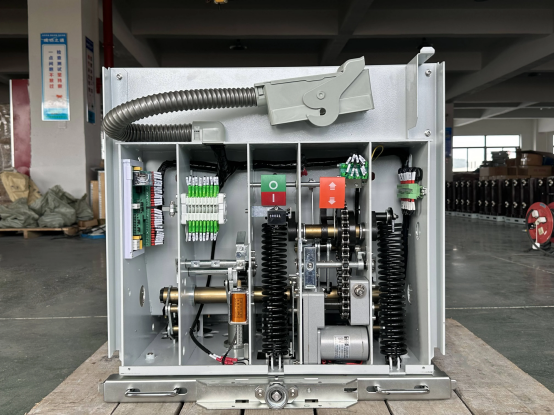
Vacuum technology brings a host of benefits to circuit interruption systems, starting with its exceptional dielectric strength. In a vacuum, even under high voltages, the absence of air molecules prevents arc formation, ensuring reliable interruption. This not only boosts safety but also extends the operational lifespan of components, reducing the need for frequent replacements.
Unlike other methods, vacuum interrupters operate with minimal noise and virtually no emissions, making them ideal for urban applications where environmental concerns are paramount. Their compact design allows for easier installation in space-constrained areas, offering flexibility in system layout without compromising performance.
Moreover, vacuum-based systems require less maintenance compared to alternatives like oil-based interrupters, which can leak or degrade over time. This translates to lower long-term costs and enhanced reliability, ensuring uninterrupted power flow in critical infrastructure.
Performance Metrics and Testing Standards for Vacuum Breakers
When evaluating vacuum breakers, several key performance metrics come into play that directly impact their effectiveness in preventing backflow and ensuring system reliability. A critical metric is the maximum vacuum pressure the device can withstand without failure, which is typically expressed in inches of mercury (inHg) or pascals. This parameter ensures the breaker can handle the specified pressure differentials in the system. Another vital measure is the response time—how quickly the breaker activates to break the vacuum once a pressure imbalance is detected. This can be the difference between a smooth operation and catastrophic equipment damage. Additionally, durability under repeated cycles is assessed, as vacuum breakers must withstand frequent on-off operations without degradation in performance.
Testing standards for vacuum breakers are established by authoritative bodies to ensure consistency and safety across applications. In the United States, organizations like the American Society of Mechanical Engineers (ASME) and the American Water Works Association (AWWA) set rigorous guidelines. For instance, ASME B31.3 outlines requirements for process piping, including vacuum breaker testing for pressure integrity and leak rates. Internationally, ISO standards such as ISO 2854 provide methods for statistical evaluation of performance data. These standards typically mandate tests like hydrostatic or pneumatic pressure tests to verify the breaker's ability to hold vacuum, functional tests to check activation under simulated backflow conditions, and endurance tests to evaluate long-term wear and tear. Compliance with these standards is crucial for certification and market acceptance.
Beyond basic compliance, leading manufacturers are pushing the envelope with advanced testing protocols that reflect real-world conditions more accurately. For example, some companies now incorporate cyclic fatigue testing that mimics daily operational stresses, rather than just static pressure checks. Environmental factors, such as exposure to extreme temperatures or corrosive substances, are also tested to ensure the breaker performs reliably in diverse settings like industrial plants or outdoor irrigation systems. This proactive approach helps identify potential failure points early, reducing downtime and maintenance costs. By adhering to these comprehensive metrics and standards, vacuum breakers not only meet regulatory requirements but also deliver superior protection and efficiency in practical applications.
Applications Across Different Electrical Networks and Industries
Electrical networks and industries are constantly evolving, driven by the relentless push for efficiency, resilience, and sustainability. Across diverse sectors, from bustling urban centers to remote industrial sites, applications tailored to specific voltage levels and operational demands are transforming how power is generated, transmitted, and consumed. Whether it's integrating renewable energy sources into smart grids or ensuring seamless operations in manufacturing plants, these innovations highlight the adaptability of modern electrical solutions in meeting unique challenges head-on.
In the realm of high-voltage transmission networks, advanced monitoring systems and fault detection technologies enable utilities to maintain grid stability over vast distances, minimizing downtime and enhancing reliability. Meanwhile, medium-voltage applications in commercial and industrial settings focus on optimizing energy distribution within facilities, often incorporating automated controls to manage peak loads and reduce operational costs. At the low-voltage level, consumer-facing devices and smart home systems leverage real-time data to empower users with greater control over their energy usage, fostering a more engaged and efficient approach to everyday power consumption.
Industries such as healthcare, transportation, and telecommunications rely heavily on specialized electrical applications to ensure uninterrupted service and safety. For instance, hospitals utilize redundant power systems and precision voltage regulation to protect sensitive medical equipment, while electric vehicle charging infrastructure demands robust networks to support widespread adoption. In telecommunications, backup power solutions and efficient data center management are critical for maintaining connectivity in an increasingly digital world, showcasing how tailored electrical applications are integral to both innovation and operational continuity across various fields.
Innovations and Future Trends in Vacuum Circuit Breaker Design
Recent advancements in vacuum circuit breaker (VCB) design are reshaping the electrical distribution landscape, focusing on enhanced reliability and performance. Innovations include the development of new contact materials, such as copper-chromium alloys, which improve arc quenching capabilities and extend operational life. This not only reduces maintenance needs but also boosts efficiency in high-current applications. Additionally, compact designs are emerging, allowing for easier integration into modern grid systems without compromising on safety standards.
Looking ahead, trends point toward smarter, more connected devices driven by digitalization. Integration of IoT sensors and real-time monitoring systems is becoming a key feature, enabling predictive maintenance and early fault detection. This shift reduces downtime and operational costs, while supporting the growing demand for renewable energy integration. As power grids evolve, these intelligent VCBs are set to play a crucial role in managing load fluctuations and ensuring stable electricity flow.
The future of VCB design also explores environmental sustainability, with efforts to minimize the use of hazardous materials and improve energy efficiency. Researchers are experimenting with eco-friendly insulating gases and recyclable components to align with global green initiatives. By combining these innovations, the next generation of vacuum circuit breakers promises to deliver safer, more adaptable solutions for a rapidly changing energy sector.
Maintenance and Safety Protocols for Optimal Breaker Functionality
Keeping your breaker system in top shape requires a consistent and thorough maintenance routine. It's not just about fixing problems when they pop up; instead, think of it as an ongoing effort to prevent issues before they even start. Regular inspections are key—check for signs of wear, corrosion, or unusual noise during operation. Also, ensure that connections are tight and clean, as loose or dirty contacts can lead to overheating and premature failure. Documenting these checks can be a game-changer, helping you spot trends over time and plan maintenance more effectively.
Safety should always come first when dealing with breakers. Before any maintenance work, de-energize the circuit completely and use appropriate lockout/tagout procedures to prevent accidental re-energization. Wear insulated gloves and safety goggles to protect against electrical shocks and flying debris. It's also smart to have a buddy system in place for high-risk tasks, so someone is there to assist in case of an emergency. Remember, these devices are designed to protect your equipment and personnel, so handling them with care ensures they can do their job reliably.
To truly optimize breaker functionality, consider integrating smart technologies into your maintenance plan. Modern breakers often include monitoring features that track performance metrics like temperature, current draw, and trip history. Using this data, you can predict when a breaker might need attention before it fails, reducing downtime and saving on costly repairs. Don't forget to train your team on the latest protocols and updates in breaker technology, as knowledge is a powerful tool for maintaining safety and efficiency in any electrical system.
FAQ
A vacuum circuit breaker is an electrical switch that uses a vacuum as the arc-quenching medium. Unlike older air- or oil-based breakers, it operates by rapidly extinguishing arcs in a near-perfect vacuum, which offers higher reliability and lower maintenance.
They excel due to their compact size, minimal fire risk since there's no flammable oil, and superior interruption capabilities. This makes them ideal for applications demanding high performance, such as industrial plants or power grids.
Critical metrics include the interrupting current rating, which defines its fault-handling capacity; the dielectric strength, ensuring insulation integrity; and mechanical endurance, reflecting operational lifespan under frequent use.
The vacuum interrupter uses specially designed contacts that separate in a vacuum chamber, quickly quenching arcs with minimal energy loss. This reduces wear and tear, leading to longer service intervals and consistent performance.
They require less frequent upkeep as the vacuum seals protect internal components from environmental factors. However, periodic checks of contact erosion and vacuum integrity are crucial to prevent failures.
They are favored in medium-voltage systems, like data centers and renewable energy installations, due to their fast response times and ability to handle high inrush currents safely without degradation.
Innovations include the use of advanced materials for contacts to reduce arcing, smart monitoring systems for real-time diagnostics, and compact modular designs that ease installation and scalability.
Conclusion
Vacuum circuit breakers represent a cornerstone of modern electrical protection systems, where the absence of air or gas within the interrupter chamber allows for rapid arc extinction and enhanced operational efficiency. Key components like the vacuum interrupter, operating mechanism, and insulating housing work in tandem to ensure reliable switching under varying load conditions. The advantages of vacuum technology are manifold, offering superior dielectric strength, minimal maintenance requirements, and a compact design that suits diverse applications from industrial plants to renewable energy grids. Performance metrics, including breaking capacity and mechanical endurance, are rigorously tested against international standards like IEC 62271, ensuring these devices meet stringent safety and reliability benchmarks across different electrical networks.
Beyond current applications, innovations in vacuum circuit breaker design are driving the industry forward, with trends focusing on smart monitoring systems, eco-friendly materials, and integration with digital grids for predictive maintenance. Such advancements enhance both performance and longevity, while adherence to strict maintenance and safety protocols—such as regular inspections and proper handling procedures—guarantees optimal functionality over the breaker's lifespan. This comprehensive approach solidifies vacuum circuit breakers as essential tools for safeguarding electrical infrastructure, blending cutting-edge technology with robust performance to address evolving energy demands.
Contact Us
Contact Person: Doreen
Email: [email protected]
Tel/WhatsApp: 8618057712366
Website: https://www.liugaopower.com/