
Wastewater System Supplier Selection: Key Factors for Reliable Treatment Solutions
2026-08-11
Choosing the right wastewater system supplier is a decision that can make or break your treatment project’s success. From technical expertise to after-sales support, each factor plays a pivotal role. A seasoned partner like Sinou understands that reliability isn’t just about equipment—it’s about long-term commitment. But what truly sets the best suppliers apart? Let’s uncover the key considerations that lead to dependable, efficient solutions.
Mapping Your Facility’s Unique Wastewater Challenges Before You Compare Suppliers
Too often, facilities rush into supplier comparisons armed with little more than a generic list of treatment technologies and flow rates. But wastewater is never generic. It carries the fingerprint of your specific operations—pulsing with process upsets, seasonal chemical shifts, and the occasional accidental dump that sends shock waves through your system. Before you even think about evaluating vendors, spend time walking the floors with your operators. Track the real variability: when does pH swing, which shift generates the highest solids load, and what happens when that one cooling tower cycles up? These unglamorous details will shape an RFP that actually fits your plant, rather than a square-peg solution that fails six months in.
Mapping your challenges means going beyond the lab report. It’s about understanding how your facility’s waste profile interacts with its production rhythms. Maybe your food processing line sterilizes with a caustic that turns the stream into a lipid-rich mess every Tuesday afternoon. Or perhaps your plating shop’s rinse waters spike with chelated metals when a new product finish is trialed. Documenting these patterns—and the headaches they cause your current system—gives you a criteria checklist that cuts through sales hype. Instead of comparing suppliers on generic removal rates, you’ll be asking pointed questions about surge handling, toxicity resistance, or specific gravity swings that break conventional clarifiers.
The payoff is more than just technical fit. When you present a detailed problem statement to suppliers, their responses reveal who truly understands industrial wastewater—and who is just quoting off a spec sheet. One might propose a modular system that handles your periodic low-flow, high-strength dumps without biological collapse, while another insists on massive equalization tanks that steal your available footprint. That kind of insight only emerges when you’ve done the homework first. So before benchmarking capex or reading case studies, invest in a thorough self-audit. Your facility’s quirks are the best filter you have.
Why Technical Expertise Outweighs Flashy Brochures in Treatment System Selection
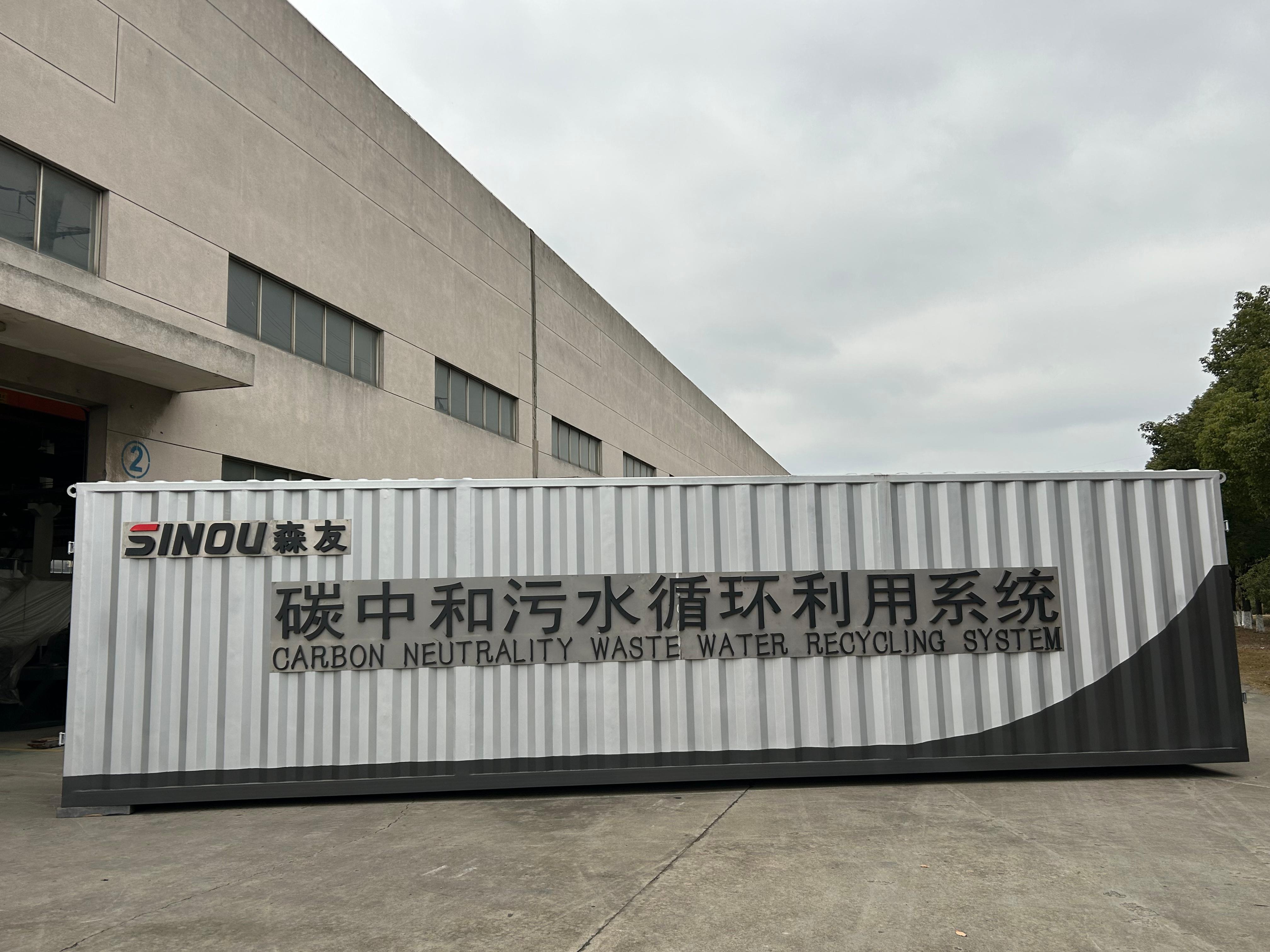
When evaluating treatment systems, it’s easy to get distracted by glossy presentations and clever marketing. However, the core of a reliable system lies in the engineering know-how behind it. A provider with deep technical expertise understands the nuances of system design, material compatibility, and long-term operational efficiency. They can anticipate challenges that a flashy brochure will never reveal, such as how the system handles variable loads or the real-world lifespan of critical components. This depth of knowledge ensures the solution you choose won’t just look good on paper but will perform reliably under the demanding conditions of your facility.
Flashy brochures often highlight idealized scenarios and best-case performance metrics, but they rarely delve into the gritty details that determine actual success. A technically proficient partner will walk you through the potential pitfalls and trade-offs, offering transparent data and case studies that demonstrate consistent results. They’ll discuss things like maintenance intervals, spare parts availability, and failure modes—subjects that glossy marketing tends to gloss over. In the long run, this honest, knowledge-driven approach minimizes surprises and helps you avoid costly mistakes that arise from choosing style over substance.
Ultimately, treatment system selection is a decision that impacts operational safety, environmental compliance, and bottom-line costs. Technical expertise brings a level of precision and foresight that no brochure can match. It empowers you to ask the right questions, compare systems on a level playing field, and invest in a solution that aligns with your specific needs. When the stakes are high, trusting a partner whose value is built on engineering rigor rather than marketing polish is the smartest move you can make.
The Hidden Cost Drivers That Make or Break Long-Term Treatment ROI
When assessing the long-term viability of any treatment plan, the obvious expenses like drug costs and initial procedures often grab the spotlight. Yet, it’s the less visible, creeping expenditures that truly dictate whether the return on investment remains healthy or stalls out. These hidden cost drivers include the complexity of patient monitoring, the frequency of dose adjustments, and the burden of managing side effects that emerge months into therapy. They don’t show up on a spreadsheet at the start, but they compound over time, silently eroding margins and patient outcomes alike.
Another underappreciated factor is the operational friction within care delivery. For instance, fragmented communication between specialists, prior authorization snarls, and the administrative load of tracking adherence can inflate costs far beyond the therapy’s price tag. When a treatment requires constant oversight or leads to unexpected hospital visits, the true cost per successfully treated patient rises sharply. This often separates therapies that look promising in clinical trials from those that sustain real-world value.
Finally, the durability of patient engagement plays a pivotal role. Treatments that demand significant lifestyle changes or cause cumulative toxicity tend to lose patients over time, undermining the very outcomes that justify their expense. The price of re-engaging dropouts, managing advanced disease stages, and dealing with preventable complications is rarely accounted for upfront. Recognizing these silent influencers early on can mean the difference between a treatment portfolio that thrives in value-based contracts and one that becomes a financial liability.
Reading Between the Lines: Uncovering Real-World Performance Data
Benchmarks and spec sheets rarely capture how a device actually behaves in daily use. Synthetic tests can push hardware to its limits, but they ignore the messy variables of real life—background app refreshes, intermittent network conditions, and the sheer randomness of user interactions. To truly understand performance, you need to look past the numbers and examine the subtle stutters, inconsistent frame pacing, and thermal throttling that only emerge over extended, real-world sessions.
Take app launch times, for example. A flagship phone might score identically to its mid-range cousin in a controlled cold-start test, yet feel lethargic during everyday multitasking. This is often down to memory management and how aggressively the system caches background processes. One device might keep your most-used apps primed for near-instant switching, while another fumbles every time you return to a previous task. These nuanced differences rarely show up in charts but define the day-to-day experience.
Then there’s the impact of real workloads on battery and connectivity. Performance isn’t just about raw speed; it’s about sustained usability. A phone that maintains smooth navigation while dozens of tabs are open or a laptop that doesn’t choke when handling large creative files tells a far more honest story. By observing how devices handle cumulative stress—like streaming video over a spotty LTE connection while notifications pour in—you begin to see the engineering decisions that either enhance or hinder the user’s rhythm.
Beyond the Purchase: Evaluating Support, Spare Parts, and Emergency Response
When buying industrial equipment, the initial price tag tells only part of the story. The real cost of ownership reveals itself over months and years, shaped by how quickly you can get replacement parts, the quality of technical support, and whether the manufacturer stands behind its promises during emergencies. A machine that sits idle waiting for a spare part from overseas can wipe out any savings you thought you’d made upfront.
We’ve seen factories grind to a halt because a single critical component wasn’t in stock locally, while the supplier’s support line offered little more than a scripted apology. That’s why we measure our performance not in sales brochures, but in metrics like mean time to resolution and on-site response hours. Our spare parts are warehoused within your region, and our engineers are trained to diagnose issues before they become crises, often arriving with the right tools and parts in hand.
True support goes beyond answering the phone. It means having a partner who understands your production schedule, who proactively monitors equipment health, and who treats a 2 a.m. breakdown with the same urgency you do. In the end, the best purchase is the one you never have to worry about again—backed by a team that treats your emergency as their own.
Future-Proofing Your Investment: Scalability and Regulatory Adaptability
A genuinely resilient investment isn’t just about riding today’s market trends—it’s built on a framework that expands without breaking. Scalability means your asset can handle increased demand, shifting user behaviors, and complex operational twists without needing a complete overhaul. When an investment vehicle or technology scales cleanly, it sidesteps the painful, costly re-engineering that erodes margins and trust. Look for modular architectures, clear upgrade paths, and evidence that growth has been tested under real stress, not just theoretical models.
Regulatory landscapes rarely stand still, and what’s compliant today can become a liability tomorrow if the foundation is rigid. Adaptability here goes beyond checking boxes; it’s about embedding flexibility into governance, reporting, and operational protocols so that new rules don’t force a ground-up rebuild. Investments designed with regulatory agility in mind often employ lean compliance layers, proactive monitoring, and cross-jurisdictional awareness, allowing them to absorb change without capsizing. This isn’t about predicting every policy shift—it’s about creating a culture and infrastructure that can pivot with clarity and speed.
When scalability and regulatory adaptability work together, they create a moat that protects against both technical obsolescence and legal shockwaves. The most durable investments treat these two factors as interconnected disciplines, not separate checklists, and they bake that thinking into every layer of the strategy. Over time, this dual focus reduces hidden risks, lowers the total cost of adaptation, and keeps the value proposition sharp even as industries evolve. In a world where change is the only constant, that kind of deliberate preparation is what separates fleeting opportunities from enduring ones.
FAQ
Look beyond the equipment specs. A supplier’s understanding of your specific effluent characteristics, ability to adapt designs to site constraints, and willingness to provide detailed process guarantees often matter more than a glossy brochure. Ask how they handle unexpected contaminants or flow spikes—the answers reveal their practical expertise.
Proven experience in your sector is invaluable. A supplier that has dealt with similar manufacturing waste or municipal flows will anticipate compliance hurdles and seasonal variations. Request case studies that mirror your scale and ask about their longest-running installation; longevity speaks volumes about system durability.
Certifications like ISO 14001 or NSF/ANSI standards are useful benchmarks, but they are just a starting point. Pair them with evidence of how the supplier maintains those standards under real-world stress. Inquire about their internal quality audits and how they document deviations—this reveals a culture of accountability.
After-sales support can make or break your system’s uptime. Clarify response times for emergencies, availability of spare parts, and whether remote monitoring is included. The best suppliers treat the installation as the beginning of a partnership, not the end of a transaction.
Upfront pricing is rarely the full picture. Factor in energy consumption, chemical usage, sludge disposal, and expected maintenance intervals. Ask the supplier to provide a five-year total cost of ownership breakdown, and verify it with existing users—many share candidly about hidden expenses.
Absolutely, but go with a critical eye. Speak to operators, not just management. Notice whether the system looks well-maintained or burdened with workarounds. If possible, see how it performs under peak load. These observations often uncover truths that polished proposals obscure.
Focus on the output data: consistently meeting discharge limits with minimal operator intervention is a stronger signal than trendy terms like ‘AI-driven’ or ‘next-gen’. Request pilot testing or rental trials before finalizing the purchase. Practical performance in your own environment outweighs any sales narrative.
Conclusion
Choosing a wastewater treatment supplier starts not with glossy brochures but with a clear-eyed audit of your facility’s own effluent profile—flow variations, key contaminants, and discharge limits are the real compass. Technical depth matters far more than sales flair: a supplier who can explain process fundamentals, adapt to your specific waste composition, and back claims with verifiable on-site data is worth ten with polished presentations. Genuine expertise in biologics, membranes, or chemical dosing means they’ve solved problems like yours, not just sold cookie‑cutter systems. Every facility’s wastewater is a unique fingerprint; off‑the‑shelf packages almost always demand costly compromises.
Smart buyers look past the purchase price to the hidden ledger of energy, chemicals, membrane swaps, and sludge disposal—these tilt the true return on investment. Insist on at least two years of real‑world performance data, and call references not just for praise but to ask how quickly the supplier responded when things went wrong at 2 a.m. Spare parts availability and emergency response turn a downtime crisis into a minor hiccup. Finally, opt for modular, scalable designs that can evolve with production growth or tightening regulations, so your treatment plant is a lasting asset, not tomorrow’s liability.
Contact Us
Contact Person: HaiYan
Email: [email protected]
Tel/WhatsApp: +86 18957325588
Website: https://www.senyoubeton.com/